Reno Personal Property Appraisers
Our Reno personal property appraisers research values for art, antiques, furnishings and collections. We help owners, families and advisers plan appraisals for estates, insurance, charitable gifts and family decisions. Each assignment begins with the belongings, the date of value and the report’s purpose.
Our in-house team handles your appraisal. The team reviews each formal report for quality and appropriate USPAP reporting before delivery.
Jump to Appraisal Services

Appraisals Across Reno and Nearby Communities
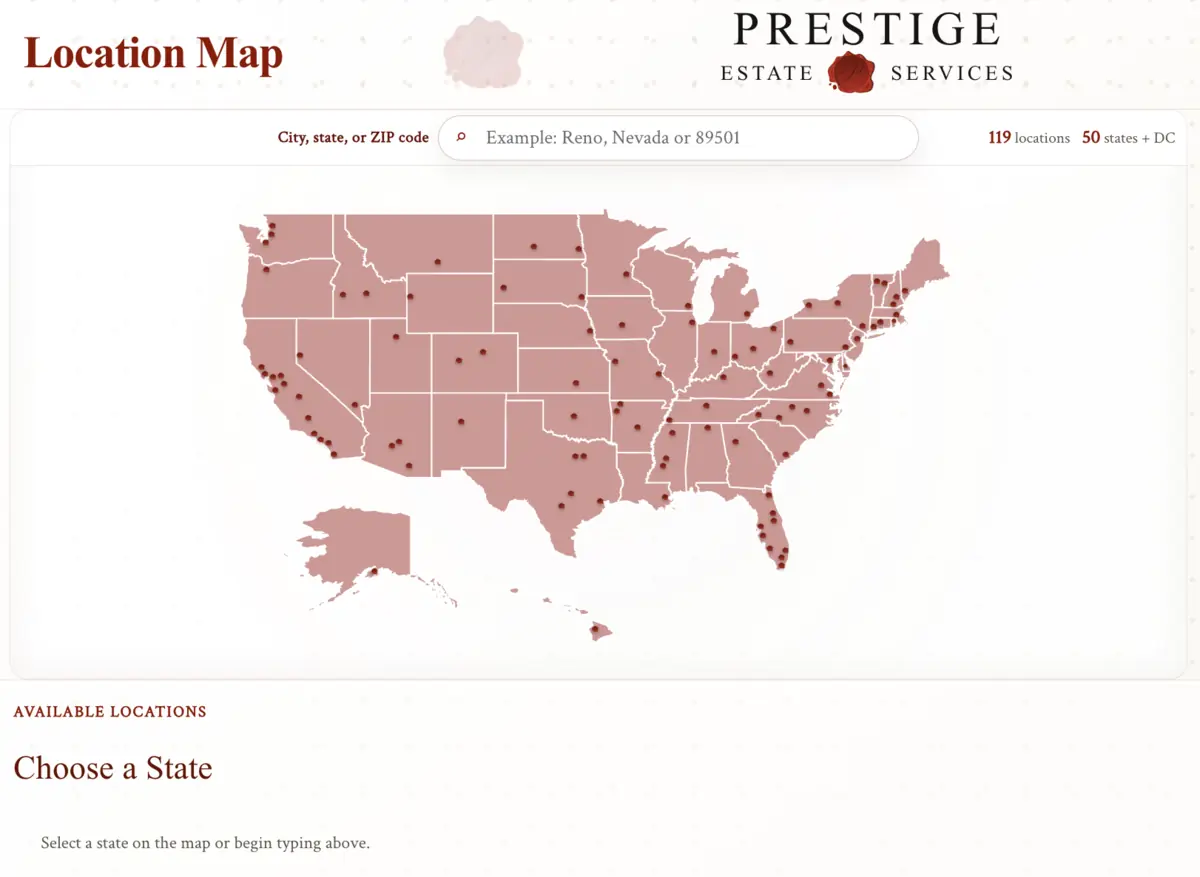
Our Reno coverage extends to Sparks and the Nevada communities of Spanish Springs, Sun Valley and Verdi. We also serve Incline Village, Carson City, Fernley and Virginia City, including projects in Montreux, ArrowCreek and Somersett within the Reno market. You can review our broader coverage on the Locations page. Tell us all property locations at the start, so the plan reflects the full request.
The service sections below separate questions that can sound alike at first. An estate inventory records belongings; an appraisal develops an opinion of their value. Insurance work may use a different measure from an estate or donation report. Our appraisal services cover these distinct needs, with research and reporting matched to the task. You can contact us before you know which service name fits.
We appraise personal property, including art, antiques, furnishings and collections. We do not provide real estate appraisals.
Meet Our Personal Property Appraisers
Meet Your Personal Property Appraisal Team for Reno, Nevada
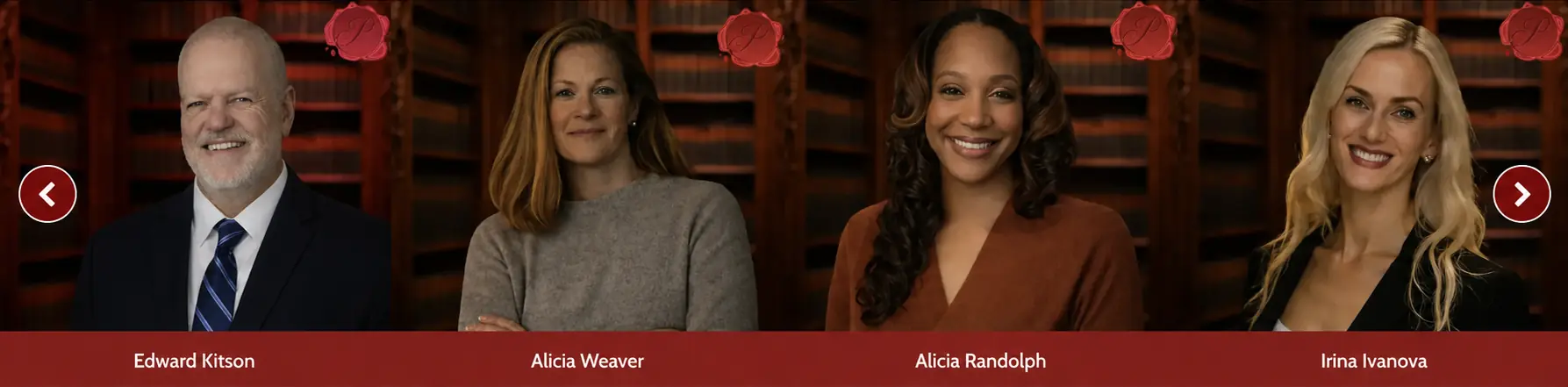
The appraisers you work with are in-house W-2 employees of Prestige Estate Services, not independent contractors.
A few representative photos help us understand the mix of belongings and the skills the work needs. You do not have to identify every object first. Your assigned appraiser is the main contact for appraisal questions, with support from the Head of Appraisals and office staff. That support continues through research, writing and questions about the delivered report.
USPAP stands for the Uniform Standards of Professional Appraisal Practice. The Appraisal Foundation’s USPAP overview explains this framework. In practice, we establish which property the report covers, why you need its value, which date applies and who will use the report. These choices guide the research and how we explain the findings.
Every formal report goes through internal quality assurance and quality control before delivery. Prestige’s appraisal review department consists of appraisers holding the ISA CAPP designation. They examine the report and supporting work for quality and appropriate USPAP reporting. This process helps us deliver clear findings for the agreed purpose.
Planning Your Reno-Area Appraisal
Belongings at more than one address
Tell us where the belongings are now, including any second home or storage space. A Reno mailing address may not identify every place that needs attention. List each site and the objects it holds. If some items are in Sparks or Incline Village, include those locations when you describe the project.
Arranging the work from another state
You can begin an inquiry while living elsewhere. Identify the person who can provide access and any limits on entry. Send the instructions from your attorney, tax adviser or insurer, if one has requested the report. You need not attend the visit yourself, but you must arrange access to the agreed property.
Preparing for the appointment discussion
Send wide views of rooms and closer photos of labels, marks or unusual pieces. Note deadlines and any planned move, donation or transfer of belongings. We can then discuss the evidence and examination the work needs. Confirm access arrangements with the team before moving objects or setting aside time for a visit.
How Our Reno Personal Property Appraisers Establish Value
Personal Property Appraisals in Reno
How do I turn a question about belongings into an appraisal?
Start with the decision you need to make about your belongings. Our Reno personal property appraisers use that question to plan the work. We identify the items, the date the values should address and who will use the report. The appraisal is the researched opinion of value; the report explains that opinion and its support.

The same possession can raise different questions. You might need a value for keeping it insured, dividing an estate or making a charitable gift. Therefore, the first question is not simply how much it is worth. We need to know which value measure will help with your decision, because a purchase price and replacement value are not interchangeable.
From belongings to a written opinion
An appraisal involves more than finding an object that looks similar online. We study identifying features, condition and relevant market evidence. A contents appraisal may combine individual entries with suitable groups, but the report should explain what each entry covers. Research effort follows the property and the question, rather than the number of photographs or pages in the finished document.
Your report connects the findings to the belongings and explains the reasoning. An owner or adviser can then see what the values represent and which assumptions matter. A photograph or item number helps connect each entry to the right object. This is useful when several people are discussing similar pieces or working from different versions of a property list.
Tangible Personal Property Appraisals in Reno
Which physical assets belong in the personal property list?
Our tangible personal property appraisal service covers physical belongings such as household contents, collections and movable business assets. For a Reno project, the starting point is a clear boundary around the property included. A room name alone may not provide that boundary. Its furnishings, stored collection and borrowed pieces can require different treatment in the appraisal list.
Describe the actual objects, rather than only the space they occupy. A cabinet can have its own entry while the collection inside receives separate descriptions. Likewise, an object’s physical ownership and a right to reproduce its design are different matters. Movable property valuation concerns the belongings agreed for the assignment; it should not quietly include unrelated rights or assets.
Defining the included physical assets
Installed equipment can need closer attention before you finalize the list. An item may be removable, leased or connected to a building in a way that affects its treatment. The client and advisers clarify those boundaries, while we record the agreed property scope. This avoids valuing an item twice or appearing to include something that belongs outside the request.
Once the boundaries are clear, useful descriptions keep the record understandable. Dimensions, marks and photographs can distinguish similar pieces, while a contents count can define a group. Bring an existing list if you have one, even when some descriptions are rough. We can then identify where more detail would help and which belongings need separate research.
Fair Market Value Appraisals in Reno
What does fair market value mean for my collection?
A fair market value appraisal in Reno addresses what informed, willing buyers and sellers would agree to on the relevant date. Neither party is forced to act. In our fair market value appraisal work, we study the property and its market to answer that question. It differs from what you originally paid or what it would cost to buy a new replacement.
The relevant market depends on the object and the assignment. Common household goods and a scarce collectible may reach buyers through different channels. We consider where comparable property trades, then assess how well the available transactions fit. Choosing a familiar marketplace without checking that fit can produce a figure that answers the wrong question.
Choosing evidence that answers the value question
An asking price shows a seller’s proposal; it does not prove a completed sale. Even a recorded sale needs context, because condition, maker, completeness and sale terms can affect the comparison. We weigh those differences rather than average unrelated prices. The report explains the value basis and why particular evidence was useful to the analysis.
An old insurance schedule or purchase receipt can still help identify an object. However, we should not carry its figure into a new appraisal without research. Share the full record, including its date and purpose, so the appraiser can assess what it supports. The resulting fair market valuation provides a reasoned opinion for the assignment, not a promised selling price.
For executors, trustees, attorneys and CPAs
Estate Tax, Form 706 and Date-of-Death Personal Property Appraisals in Reno
Estate Tax Appraisers in Reno
What should an executor settle before ordering estate-tax values?
An estate tax appraisal gives a Reno executor a written record of personal property values for the estate’s tax team. Your attorney or return preparer sets the required date and explains the filing need. Our IRS-qualified estate tax appraisers research those belongings and prepare a USPAP-compliant report. The tax professional remains responsible for the estate’s tax decisions.
Start with a list that shows the estate’s mix of belongings. Flag collections, unusual pieces and property held at other addresses. You do not need to guess what each item is worth. Room photographs and existing records help us plan which pieces need their own entries and which may be grouped together.
Connecting estate records to the appraisal
Keep receipts and family accounts, but make clear where each detail came from. A receipt may support a maker’s name or purchase date. A family story may suggest a useful research lead without proving who owned the piece. We weigh those sources against other evidence before using them to support a value.
The report should let the preparer match each value to the belongings it covers. A rare piece may need its own entry; a group of ordinary furnishings may share one. Discuss that level of detail at the start. A single household total may not answer the preparer’s questions about a separate collection.
Tell us when you find more property while the work is underway. New items may require extra inspection or research. Keep the issued report with the estate records so advisers can refer to the same dated findings. Our work supplies the personal property values and their support; the estate’s advisers handle the wider tax and legal work.
Hypothetical example: Estate contents and sports memorabilia in Somersett
Suppose an executor lives out of state and is arranging an appraisal for a Somersett home. The contents include signed baseballs, graded trading cards and display jerseys, with more boxes in Sparks. Family members know the collection well, but the records are incomplete. The estate adviser has supplied the required value date.
For this estate tax appraisal, we would connect each group to its location and review available purchase, grading and authentication records. A display jersey should not be assumed to have been worn in a game. Where an important claim lacks support, we would explain the uncertainty and assess whether specialist review is needed.
The report would distinguish significant pieces from suitable groups and explain the market evidence used. The executor and preparer could then follow the values back to specific entries. This would also help keep the collection distinct from household furnishings, so a sports item listed separately is not counted again within a room total.
IRS-Qualified Estate Tax Appraisers for Form 706 in Reno
How does the appraisal connect to a Form 706 filing?
Our IRS-qualified estate tax appraisers prepare personal property valuation support for Form 706 assignments involving Reno estates. The report must identify the assets and explain their values for the requested date. This gives the preparer a record they can match to the estate’s own entries. The appraisal supports the filing work; it does not prepare the estate’s return.

Start with the preparer’s asset categories and references, even if the descriptions are incomplete. A collection listed under one name may contain several kinds of property. We establish how those belongings will appear in the report before research begins. Clear references help the preparer follow each value without mistaking a subtotal for an additional asset.
The IRS instructions for Form 706 explain personal property reporting within the federal estate-tax return. Your preparer can identify which instructions apply and what detail the work needs. For the Form 706 appraisal, share requests for separate descriptions, totals or supporting material at intake. We use them to define the work, while the preparer handles the filing rules and tax positions.
Making Form 706 values traceable
Grouping should make the property easier to understand, not conceal what we examined. A household group needs a description of its contents. A significant collection may need more detailed entries and different market research. The report explains the agreed treatment so its users can distinguish individual values from amounts covering several objects.
The appraiser’s skills must fit the property being valued. We assess that fit before taking on the work. Our USPAP-compliant Form 706 appraisal report also explains the appraiser’s qualifications. Experience helps with the research, while the written analysis shows how it led to the values. Both matter. A title alone cannot replace sound work on the actual property, market and date.
When the preparer reviews the finished report, item references provide a practical way to raise questions. Keep the full document available instead of passing along an isolated total without its explanation. If the estate later needs another date or additional assets covered, supply the revised instructions. That may require more research rather than a simple change to the existing report.
Date-of-Death Personal Property Appraisals in Reno
How can an appraisal address a date that has already passed?
A date-of-death appraisal for a Reno estate researches the belongings as of the owner’s death, even when the inspection occurs later. Appraisers often call that earlier value date the effective date. We distinguish it from the dates of our visit and report. We consider both the property’s condition and the relevant market for the required period.
Suppose a family repairs a music box after its owner dies. It may work during our visit even though it did not work on the required value date. Dated photos, repair invoices and earlier notes can help explain that change. Those records help us distinguish the earlier condition from the condition we see today.
Evidence for an earlier date
A retrospective appraisal also needs market research from the right time frame. A current sale can be informative without representing the value on the earlier date. We assess the available evidence and explain how it relates to that period. Likewise, an older appraisal may supply useful identification details even when its purpose or value figure does not answer the present estate question.
The strength of the records may differ from one object to another. We can still examine some belongings in largely unchanged condition; others may appear only in photographs. Our report distinguishes direct observations from supported information about the past. If we cannot establish an important fact, we explain how that gap affects the work rather than hide it behind a precise-looking number.
Provide the date requested by the estate adviser and preserve original documents with their dates intact. A summary of figures alone can lose the context that makes those records useful. If the adviser proposes another valuation date for tax purposes, ask them to give that instruction. The date-of-death appraiser researches the requested period without selecting the estate’s tax treatment.
Probate and Estate Inventory in Reno
Probate Appraisals in Reno
What value information can support the probate inventory?
A probate appraisal gives a Reno personal representative researched values for the belongings counsel has identified. We agree on the property, date and report use before starting. Although probate and estate-tax work can concern the same contents, their instructions may differ. Share the attorney’s actual request so the appraisal addresses the administration task that needs support.
The inventory and the appraisal should describe property in ways the reader can match. Two entries called furniture may refer to different rooms or groups. Item references, dimensions and photographs help clarify the connection. Similarly, an entry for a chest of drawers should not be mistaken for a value that includes everything stored inside it.
Using the report with the estate inventory
A probate valuation report can cover selected objects or a wider contents list. Its descriptions should make those limits clear, especially when other property is being valued separately. This lets counsel see which findings belong in the relevant estate records. It also reduces confusion when an object appears on both an earlier inventory and a later list under a different name.
After delivery, use the report’s item references when asking about a value or description. Keep the full document with the estate records, so its date and assumptions stay with the findings. The representative and counsel manage filings, ownership issues and the transfer of belongings. Prestige supplies the agreed value analysis. They can then work from a record that shows which property each figure covers.
Estate Inventory and Valuation Reports in Reno
When is an inventory enough, and when do I need values?
An estate inventory and valuation report can serve two different needs for a Reno family. The inventory records what is there; the appraisal researches what it is worth for a stated use. Some clients need an organized list without values. Others need both that record and a formal report explaining the value findings. We establish which work fits your task before starting.
Choose an arrangement that suits the next task. A room-based contents inventory can help someone check a residence, while a list by collection may aid a specialist review. Item numbers can connect those views without creating competing records. If a set has several parts, the entry should show what it includes so the reader need not infer its completeness from a photograph.
Choosing the level of inventory detail
The level of description should also reflect the record’s purpose. An executor tracking a move may need to distinguish boxes and groups. An adviser requesting values for individual artworks may need separate entries. We discuss that difference before compiling the report, because a broad household list and detailed research on every object are not the same service.
Grouping remains useful when it is appropriate and understandable. A group description should make its boundaries clear, and the report should state whether its figure covers the group as a whole. Readers should not assume that dividing the total by the item count produces individual values. Where separate decisions depend on separate pieces, individual research may be needed.
Keep the issued estate valuation report as a dated record. A household list may change as objects move or pass to heirs, but that does not update the appraisal. Retain the same item references in later records. The family can then trace a piece from the original list to its new place while preserving what the report covered on its stated date.
Charitable Donation, Insurance and Loss Appraisals in Reno
Charitable Donation Appraisals in Reno
What should be arranged before a noncash charitable gift?
A charitable donation appraisal provides value research for a gift of personal property. Begin with a list of the objects, the planned gift date and your tax adviser’s instructions. We discuss the appraisal work and access to the items. The recipient decides whether to accept the gift, while your adviser explains the tax requirements that apply.
Make clear which objects you will give and which you will keep. A room photo may show both, so add a list that separates them. For art, include titles and sizes where known. For a collection, identify sets and missing parts. Purchase records and maker details can help us match the report to the actual gift.
Coordinating the appraisal and gift records
A noncash donation appraisal researches fair market value for the required date. An old insurance figure may use a different value basis. We identify the objects, assess their condition and study relevant sales. The report explains how that evidence supports the opinion. Your purchase price provides useful history, but it does not alone establish what the gift is worth.
The IRS instructions for Form 8283 explain the reporting roles for noncash gifts. The form and the report serve different purposes. Where needed, Prestige addresses the appraiser’s part. Your tax adviser can help coordinate the donor’s and recipient’s documents. The appraised value alone does not establish the deduction you may claim.
Keep a record of what you gave and when it changed hands. If the gift has already occurred, tell us where the objects are and whether we can still examine them. Share any photos or lists made before the transfer. Early discussion helps establish what evidence is available and which details we still need to check.
Hypothetical example: A Verdi book collection prepared for donation
Suppose a Verdi collector plans to give illustrated natural-history books to a charity. The volumes are boxed at a Reno office, and some sets may lack a volume or include a later edition. A box count would not reveal those differences. The first task would be to identify which books are actually included.
For this charitable donation appraisal, we would examine titles, editions, complete sets and condition, then research relevant sales. Where those differences affect value, we would therefore separate the groups in the report. The donor and adviser could match the entries to the gift records without treating every boxed series as a complete, matching set.
Insurance Appraisals in Reno
What should an insurance appraisal help my agent identify?
An insurance appraisal helps a Reno owner document valuables for a coverage review. First, ask the insurer which replacement values and report details it needs. Our insurance appraisers use those instructions to plan the work. The personal property insurance appraisal can answer a different question from an estate report, because the value basis must fit the insurance purpose.

Good records let the reader recognize the actual object. They may show its maker, material, size, model or other key features. Purchase records and expert reports can help, but we check what they establish. Photos add another way to match the written description to the piece. The owner and agent can then review the property list with less doubt about what each entry means.
Replacement research and policy schedules
Insurance replacement valuation asks what a suitable replacement would mean for the task. A work of art or a piece no longer made may need different research from a common furnishing. We explain the market evidence and the value measure used. The agent and owner can discuss the listed property using that record. The insurer sets the policy’s terms and coverage.
Before updating an insurance schedule, note what you have bought, sold or changed. Compare the new report’s entries with the proposed schedule and raise any mismatches with your agent. Keep a copy outside the home; its photos and descriptions may help identify property after a loss.
Hypothetical example: Updating an ArrowCreek collection’s insurance records
Suppose an ArrowCreek owner wants to update insurance records for studio pottery and a signed bronze sculpture. However, the old schedule describes them only as decorations. One bowl has a repaired rim, and the sculpture is no longer produced. Those details could affect the choice of comparable replacements and deserve more than a blanket increase to the old figures.
For this insurance appraisal, we would review maker records, dimensions and condition, then research the replacement market that fits the insurer’s request. As a result, clear descriptions would help the owner and agent match each value to the right piece. The insurer would still decide coverage and policy terms.
Damage and Loss Appraisals in Reno
Which value question needs to be answered after a loss?
A damage and loss appraisal addresses a defined value question after personal property has been damaged or lost. For a Reno request, establish whether the needed figure concerns the value before the event, the damaged condition or a later repaired state. Our appraisers then assess the property and evidence available. Keep these different questions separate rather than combine them under one unexplained damage total.

A repair proposal describes work and cost, which may differ from a change in market value. Repairs might restore function while leaving visible changes that matter to buyers. Alternatively, a proposed repair may not yet have occurred. We distinguish those situations and examine the relevant condition, rather than assuming a repair bill proves the amount of value lost.
What surviving records can establish
Gather records from before and after the event. Dated photographs may show features no longer present, while receipts and earlier descriptions can help identify missing property. Preserve a specialist’s observations with their source and date. The loss appraisal separates what we can observe from information supplied by others, then explains how any gaps affect the conclusions the evidence can support.
The report answers the agreed personal property value question and explains its basis. Other parties decide coverage, liability and payment. Share any written request from the claims professional or attorney. If it changes, confirm the new instructions with us before more research proceeds. That keeps the work focused on the figure actually needed.
Family Property, Appraisal Review and Reports in Reno
Divorce & Marital Asset Appraisals in Reno
How can a neutral appraisal help with marital belongings?
A divorce appraisal in Reno gives the parties and their attorneys a common value reference for the belongings in dispute. Our work stays separate from either person’s preferred outcome. The report explains the values on the agreed date and basis. It can support settlement discussions, while counsel handles ownership rights and the legal division of property.
Begin with a property list that both sides can follow. One person may call a piece a sideboard while the other calls it a cabinet. Photos and item numbers help show whether they mean the same object. Counts also reveal whether an entry covers one piece or a set. Counsel can then resolve what belongs on the list.
Comparing marital property on a common basis
Keep purchase prices, insurance figures and resale estimates clearly labeled. Each can answer a different question, so adding them together would mix figures with different meanings. Our marital asset appraisal uses the agreed value basis across the list and explains differences in condition, missing parts or other features that affect the findings.
Tell us whether the parties plan to divide any sets. A value for the whole group may not establish separate values for its parts. We can discuss the reporting detail needed for those choices. Counsel and the parties handle the final division.
Share the full earlier appraisal if one exists. Its photos and descriptions may be useful even when the old values do not fit the current task. Explain whether you also need testimony or a review of another report. Discuss those services as part of the proposed work, with counsel directing the legal issues.
Hypothetical example: Comparing furnishings in a Spanish Springs divorce
A divorcing couple in Spanish Springs might propose dividing their designer furniture. One person would keep a pair of lounge chairs. The other would keep a modular shelving system with some replaced shelves. They disagree about what each group is worth. Old receipts show what they paid, but do not establish current values.
For this divorce appraisal, we would identify the makers and components, document changes and apply the agreed value basis to both entries. The report would also explain the evidence supporting each figure. Counsel could then compare the selections using current findings instead of conflicting memories of purchase prices.
Equitable Distribution Appraisers in Reno
How can heirs compare selections that contain different belongings?
An equitable distribution appraisal gives Reno heirs values for comparing their choices of inherited belongings. We identify the objects or groups and use a common value basis and date. The family can then compare those entries instead of counting pieces as if each were worth the same. Their personal wishes still matter when they decide what to keep.
Plan the reporting detail around the choices the heirs need to make. A value for a complete set may suit a decision about keeping that set together. It may not answer what each piece would be worth if divided. Our inheritance appraisal should make the grouping clear, allowing the family to distinguish a value for one object from a figure covering several belongings.
When the proposed selections change
As proposed selections change, check them against the report’s entries. An heir choosing parts of several groups may need more detail than the original totals provide. Discuss that change before treating an arithmetic share as an appraisal of those parts. A consistent record helps the family understand which comparisons the existing report supports and where additional work may be useful.
Keep personal wishes alongside, rather than inside, the financial record. An object can carry strong family meaning while having modest market value. The appraisal does not price that connection. It supplies values for the agreed belongings, while the fiduciary, heirs and advisers address estate instructions and the final division. Use item references when recording choices so the property remains identifiable throughout the discussion.
Litigation Appraisal Review in Reno
What can a review tell me about an existing appraisal?
A personal property appraisal review checks whether a report’s evidence and reasoning support its conclusions. For a Reno matter, the client or attorney first explains the concern and how they plan to use the findings. We then agree on the work to review. A litigation appraisal review does not assume that a value is wrong because someone dislikes it.

Supply the full report, including all attachments, with the question to be checked. A missing page may explain a point that seems unclear. The concern may involve the listed property, value date, sales used or math. A clear question helps us decide whether the report supplies enough evidence or whether the agreed review needs more research.
Explaining a technical concern
For example, a camera listed under the wrong model may have been compared with sales of a more valuable version. A reviewer would check the model evidence and the sales used before reaching a conclusion. Differences in condition or included lenses may also matter. The review explains whether those details support the value or call for further work.
The written review explains the issue and its limits so counsel can use the findings. It does not always include a new value for the property. If you need our own value opinion or testimony, discuss that work as a separate part of the request. This keeps the review focused without assuming that every review must repeat the original appraisal.
Restricted Appraisal Reports in Reno
When is a Restricted Appraisal Report worth discussing?
A Restricted Appraisal Report may suit a Reno assignment when a concise formal report meets the agreed need. Discuss that option before the work starts. We consider who will use the report and how much written explanation they need. A shorter report is a choice of format, not a reason to skip sound research or analysis.

Bring any written instructions from the person who will receive the report. An attorney may need detailed item entries, sales evidence or a stated type of value. Those details help us decide whether a concise report will work. If the request simply says appraisal, ask what decision the document needs to support.
Confirming the formal report you need
A restricted personal property appraisal report is formal work. It still depends on research and analysis suited to the assignment. The Online Photo Appraisal is a separate service that offers informal guidance. Tell us at the outset if an attorney, insurer or other professional needs a formal report so we can discuss the right service.
Before approving the proposal, check that it names the property, the value date and the intended users. Read what it says the report will include. If the recipient needs more written detail, resolve that point with the appraiser first. The goal is a report that serves the agreed use, with its limits clearly understood.
Government and Business Asset Appraisals in Reno
Government & Seized Asset Appraisals in Reno
How do you establish the assets in a government-held property request?
Government property appraisals in Reno begin with the agency’s request, the listed assets and the planned use of the report. A seized asset appraisal may help with a transfer or disposal decision. First, we check whether the work fits our services. The agency keeps control of the assets and makes all legal decisions.

Link each appraisal entry to the agency’s records. Tag numbers, descriptions, counts and photos can help set similar assets apart. Flag any tag that does not match the goods offered for review. The report should make clear which property we examined and how it connects to the agency’s inventory or case number.
The agency decision and value basis
The type of value needed guides the research. Goods that will stay in use may call for a different approach from goods offered for disposal. A lot also needs a clear list of its contents before its value can be understood. We explain the basis used and any gaps in the records or limits on the inspection.
Include the written requirements with the request for an estimate. They help us confirm who will use the report and which records it must refer to. The government asset appraisal supplies value evidence for the agreed task. Agency staff handle approvals and final choices. A request for an estimate does not itself create a government contract.
Furniture, Fixtures and Equipment Appraisals in Reno
What does an FF&E appraisal cover within a business?
A furniture, fixtures and equipment appraisal values the physical assets used in a business. A Reno FF&E appraisal may cover a few machines or a wider list of contents. First, we agree on the property and type of value needed. Business personal property valuation does not include the value of the firm’s name, earnings or customer base.

List what the owner or buyer would receive. Make, model, serial number, count and known condition help define each asset. Parts and controls may affect whether a machine is complete. Service records can also help show its state. Clearly mark leased assets and anything left out of the proposed transfer so the list reflects the agreed work.
Equipment setting and proposed transfer
Explain whether the equipment would stay in place or need to be moved. That choice can affect the assumptions used in the appraisal. Provide the proposed terms, including any need to take equipment apart or move it, before research starts. The FF&E report should state what its values mean; they do not promise a future sale price.
For specialized machinery, send sample records before arranging a visit. We check whether the work fits our skills and what evidence an inspection would need to supply. The asset schedule should link each value to a clear entry and explain any groups. That gives the business and its advisers a useful equipment record without valuing the whole company.
Hypothetical example: A print shop moving equipment from Reno to Sparks
Suppose a Reno print shop plans to move to Sparks and needs to decide which equipment to keep. A large-format printer and paper cutter still work on site, but both will soon be packed. Once disconnected, their working condition could be harder to document. Model numbers, service records and available operating evidence would help plan the examination.
In this FF&E appraisal, we would confirm what the evidence supports and whether specialist checks are needed. The report would identify the included machines, their supported condition and the market basis used. The owner could then compare options using a documented asset list, with any unconfirmed condition clearly explained.
Art, Antiques and Furniture Appraisals in Reno
Art Appraisals in Reno
What evidence helps an appraiser understand a work of art?
An art appraisal begins with the work itself: what it is, who made it and which features affect its value. Our Reno art appraisers review the artist, medium, size, condition and supported history. We then look for useful market evidence. A familiar subject or a fine frame does not prove that two works should have similar values.
An original drawing, a print and a later copy may show the same image. However, they can belong to quite different markets. Edition details, marks and the way a work was made can help tell them apart. A signature is one piece of evidence, not proof of every claim about the artist. If a key fact needs an expert’s further review, we explain that need.
Records and comparisons for art research
Keep gallery records, invoices and old catalog entries intact. The date and description may be more useful than the old price alone. Also make clear which parts of the history are in those records and which were passed along by word of mouth. Art valuation research can then draw on supported facts, while noting what remains in doubt.
A fine art appraisal uses market evidence that fits the actual work. Size, medium, condition and edition may affect how well a sale compares. We explain why that evidence was chosen and how it supports the value. This helps an owner or adviser see why a work that looks much the same may still be a poor guide to price.
For the first inquiry, send views of the front and any labels or marks you can see safely. You do not need to take a work out of its frame to contact us. We review the available details, then discuss the examination needed for the formal work. Whether you need one piece or a whole collection valued, the scope should name the works and the decision the report will support.
Antique Appraisals in Reno
Why do similar-looking antiques receive different values?
An antique appraisal looks at how an object was made, its condition and the market for it. Our Reno antique appraisers research the features that set it apart from similar pieces. Age alone does not establish value. A period piece and a later one made in an older style may need different comparisons, so we explain which features guide the research.

Look beyond the broad name given to an object. Materials, joints, working parts and marks can help identify it, while repairs may affect the comparison. An unusual feature deserves research, but it does not prove that buyers value it highly. Antique valuation connects what the object is with evidence of sales that fit its type and condition.
Condition, repairs and supported history
Condition changes need context too. Restoration can affect different kinds of antiques in different ways, so a single rule about repairs would be misleading. Preserve any treatment records and describe known changes accurately. Our report considers those facts alongside the object’s completeness and market, giving the reader a clearer explanation than a general label such as good condition.
Share the history you know, including which details remain uncertain. A family account can point toward useful research without proving an attribution on its own. The appraisal should separate those sources from supported findings. Keep fragile parts in place when making the inquiry; accessible photographs and existing records can help us plan the examination without asking you to handle the object unsafely.
Furniture Appraisals in Reno
Can everyday furniture be included with more distinctive pieces?
A furniture appraisal in Reno can cover ordinary household furnishings, designer pieces and older furniture that needs closer study. We decide which pieces need separate entries and where grouping makes sense for the report. Every chair does not need rare-antique research. Each value does need a clear description of the furniture it covers.
Photograph maker labels and note dimensions, materials and construction when those details are easy to see. For a dining set, include the number of chairs, table leaves and other parts kept with it. A table alone differs from a complete group. Clear descriptions prevent a reader from mistaking the value of one piece for the whole set.
Condition and reporting for household furnishings
Note worn surfaces, repairs, replaced hardware and new upholstery. These changes can affect the market evidence used for a furniture valuation. A resale value answers a different question from the cost of a suitable replacement. Our report explains which basis applies and why the chosen comparisons fit, without assuming the value equals the original retail price.
Tell us whether the request covers a few pieces or the contents of a home. Wide room photos show the overall amount; close views show details that may need research. Plan safe access before the visit, as our appraisers do not move heavy items. The report identifies separate pieces and explains any groups so the entries remain useful later.
Online Photo Guidance and Appraisal Fees in Reno
Online Photo Appraisal Guidance in Reno
Is online photo guidance the right first step for my object?
Prestige’s Online Photo Appraisal gives Reno owners informal guidance on suitable objects from images and details they submit. It can help when you want to understand a possession without needing a formal report for a professional use. The response is a separate product from formal appraisal work. Choose between them by the decision you need to support, not simply the convenience of sending photographs.

Clear images should show the whole object and useful features such as marks, joints, labels or damage. Include dimensions and distinguish what you know from what you suspect about its history. An informal photo appraisal cannot supply details that the images do not reveal. Better records allow more useful guidance, but they should not be replaced with guesses about a maker or date.
What the informal response provides
You receive a written result by email, with the item’s identity where the evidence supports it, an estimated value or range, and helpful context. A hidden feature may call for more details before a useful answer is possible. This informal photo appraisal can help you learn about an object and choose a next step. It is not the formal report needed for a tax or insurance purpose.
If you need a report for probate, court, tax or insurance, speak with the team about that need first. Formal remote appraisal may be possible when the evidence is adequate. However, it has its own agreed work and report requirements. You do not have to buy the informal Online Photo Appraisal before requesting a formal estimate or asking whether remote work would suit the task.
Personal Property Appraisal Fees in Reno
What does Prestige need to discuss the fee for my project?
Personal property appraisal fees in Reno reflect the time needed to inspect, identify, research and report on the belongings. To request an estimate, share the property types, amount of contents, purpose and deadline. Include sample photos and useful records. Appraisal cost depends on more than the item count; research and report detail matter too.

Send wide views of rooms or storage areas, plus closer views of unusual pieces. A few objects with unclear origins may take more research than a larger group of common furnishings. Existing lists help too, though we still need to check what they describe. These details give us a better basis for an estimate than floor area alone.
Estimates, timing and changes to the work
The estimate sets out the expected work and report. See the linked Fee Schedule for current rates. Most formal projects take about two to four weeks after intake, depending on size and complexity. Ask the team to confirm the starting point and expected delivery date for your project. Raise fixed deadlines early; any expedited commitment must be confirmed in writing.
If the work appears likely to exceed the original scope, we pause to discuss it and seek written approval before proceeding. Finding more belongings or changing the report’s purpose may add research. Review the estimate with the team so you know what it covers and how changes will be handled. Complete information at intake helps make that discussion clearer.
What Your Personal Property Appraisal Report Includes
A useful report lets you connect a value to the right belongings and understand the evidence behind it. The level of detail depends on the work agreed. An estate collection, an insurance schedule and a review for counsel can call for different explanations. Discuss those needs with us when the assignment is planned.
We deliver formal appraisal reports as digital PDFs. Their contents fit the assignment and report type. Photographs and descriptions identify the belongings, while the research and value findings explain the result. The document also sets out the value basis and relevant assumptions, so the figures can be understood in context.
Other parts of the report include suitable qualification details, a signed appraiser certification and sources, as the work requires. Not every object needs its own value or separate research narrative. Where suitable groups are used, the report should make clear what each figure covers.
When you read the report, check the property entries and date first. Then consider the research and any limits before using a figure. Routine questions about the delivered report are included. Your assigned appraiser can explain a finding or help you locate the relevant detail.
Keep the issued PDF intact for its stated use. An isolated page may lose important context. If you later need a report for another purpose, discuss that need with us. We assess any further work and explain the fees before proceeding; the original report is not simply relabeled.
Choosing How Your Property Is Examined
An in-person visit can reveal scale, construction and condition that a limited photo set may miss. Formal remote appraisal may be suitable when reliable photos, measurements and records provide enough evidence for the task. We assess that fit at intake. For a visit, arrange access; you need not attend yourself. Accessible belongings can reduce handling time, but fragile or heavy objects should not be moved unsafely.
Our remote and in-person appraisal comparison explains the methods. A formal remote report and the informal Online Photo Appraisal are separate services. Choose based on the decision and the evidence it requires. Buying photo guidance is not a prerequisite to a formal estimate. The team can assess the appropriate route before you arrange the belongings or order a product.
Choosing an Appraiser for Property in Reno
When choosing an appraiser for belongings in Reno, start with the property and the decision you need to make. Ask about relevant skills, the examination method and the written result. A clear discussion helps you compare the proposed work. It also gives you a chance to explain deadlines, access needs or gaps in the records.
Personal Property Appraisers Near Me in Reno
For a personal property appraisal, ask how the appraiser would approach your art, furnishings or collection. The Appraisal Foundation describes this distinct appraisal discipline. Bring a few photos and describe what you need to decide. Prestige can explain the proposed research, report and fee estimate before you commission the work.
IRS-Qualified Form 706 and Estate Tax Appraisers Near Me in Reno
For an estate-tax appraisal, bring the preparer’s request and required value date. Ask how the report will identify the contents and connect each value to the estate records. Explain if belongings are held at several addresses or if you are arranging access from outside Nevada. We use those details to discuss the work and appropriate expertise.
Areas Served Around Reno
Prestige Estate Services serves Reno and the nearby Nevada communities listed above. Our Locations directory provides a wider service-area reference. If your request includes property in another city, describe that location at the start. The team can discuss the arrangements for the full request before a visit is planned.
Keep each address linked to its property list. If belongings move from a home to storage, record which items moved and where they can now be found. Tell us about the change before the examination. This helps the appraisal records follow the actual objects, especially when relatives or advisers are working from different locations.
Some owners need a few objects valued; others need contents at several sites reviewed together. Describe which situation fits your request. Include any access limits and the person who can arrange entry. We can then discuss whether an on-site visit, formal remote work or another step is appropriate for the available evidence.
Reno Personal Property Appraisal Questions
Getting Started With Your Appraisal
Can I contact you before I have a complete property list?
Yes. Send your purpose, the property locations and a few representative photos. Wide room views help show the amount of contents; closer images can flag unusual pieces. Include the deadline and any written request from an adviser. You do not need a finished inventory before asking us to discuss the work.
Do you appraise land or buildings in Reno?
We do not provide real estate appraisals. Prestige appraises personal property such as art, antiques, furnishings, collections and appropriate movable equipment. If a request involves both a building and its contents, the work needs to keep those separate appraisal disciplines clear.
Can an out-of-state executor arrange work on belongings in Reno?
Yes. Tell us where the belongings are and who can provide access. You need not attend the visit yourself. Share the estate adviser’s instructions and any list already in use. If items are held at more than one address, identify each site so the proposed work can account for them.
Property Locations, Records and Examination
Can the request include belongings in Reno and a nearby community?
Describe every location when you contact us, along with what is held at each one. A residence, storage unit and second home may need separate access arrangements. We can discuss the combined request and examination needed. Keep each list tied to its address and tell us if belongings move while the work is being planned.
Will an old receipt or appraisal settle the current value?
It can help identify an item or document its history, but the old figure may answer a different question. Send the complete record, including its date and purpose. Prestige reviews it alongside the new request and relevant market evidence, then explains the basis for the new opinion.
Can you assess whether photos are enough before I arrange a visit?
Yes. Send clear images, dimensions where known and useful records with your inquiry. We assess whether that evidence could support formal remote work or whether an on-site examination is needed. The choice depends on the property and purpose. Informal Online Photo Appraisal guidance is a separate service, with different uses and limits.
Service Choices, Changes and Timing
Can I use online photo guidance for an estate-tax filing?
The informal Online Photo Appraisal is not a substitute for the formal appraisal work needed for a filing. Explain the tax purpose before choosing a service. Prestige can discuss the required scope and whether the available evidence supports a suitable examination method.
What happens if I find more property after the scope is agreed?
Tell the team what you found and where it is held. Additional objects or a new report purpose may change the work and fee. We discuss the change and obtain written approval before proceeding beyond the agreed work. Keep the final issued report separate from earlier lists or drafts.
When should I contact you if I have a fixed deadline?
Share the deadline with your first inquiry, including the reason for it. Most formal projects take about two to four weeks after intake, depending on size and complexity. Ask the team to confirm when that period begins for your project. Expedited work can be requested; any deadline commitment is confirmed in writing.
Discuss Your Reno Appraisal
Tell us the decision your appraisal needs to support and the belongings involved. Include the property locations, requested value date and any instructions from an adviser. Prestige Estate Services can review the request with you and discuss the appropriate work for your Reno-area property.
561 Keystone Ave, Reno, NV 89503(702) 410-8443