Denver Personal Property Appraisers
Our Denver personal property appraisers research values for artwork, antiques, furnishings, collections and other movable belongings. Prestige Estate Services provides personal property appraisals for estate, tax, insurance, donation and family needs.
Our in-house team handles your appraisal. The team reviews each formal report for quality and appropriate USPAP reporting before delivery.
Jump to Appraisal Services

Planning With Denver Personal Property Appraisers
We serve the Denver metro area, with our listed contact address in Lakewood. Tell us where the property is located and whether the project involves one item, household contents or business assets. For another location, our locations directory helps you find the appropriate page. An early call helps us learn what you need and explain which records to send.
You may already have an inventory, an insurance schedule or a figure from a relative. Those records give us context. Each may answer a different question. We explain which service fits your purpose. You can request the right work without first learning technical appraisal terms.
We appraise personal property, including art, antiques, furnishings and collections. We do not provide real estate appraisals.
Meet Our Personal Property Appraisers
Meet Your Personal Property Appraisal Team for Denver, Colorado
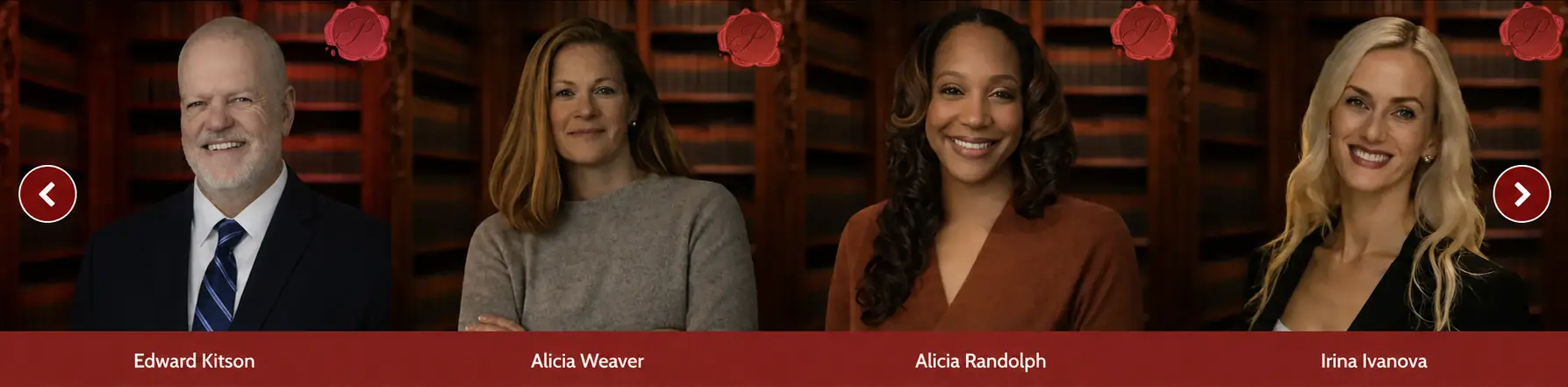
Good appraisal work draws on knowledge of both the property and the task at hand. Prestige considers the objects, the reason for the report and the research involved. These needs guide who performs the work. The Uniform Standards of Professional Appraisal Practice, known as USPAP, provide ethical and performance standards for the appraisal profession, including personal property.
The appraisers you work with are in-house W-2 employees of Prestige Estate Services, not independent contractors.
Each formal report goes through our internal quality assurance and quality control process before delivery. Our appraisal review department examines the report and supporting work for quality and appropriate USPAP reporting. That department consists of appraisers holding the ISA CAPP designation.
During the project, the assigned appraiser is your main contact for appraisal questions. The Head of Appraisals and office staff also provide support when needed. You can ask about the work as it moves forward and the findings once it is complete. You can also learn about our firm’s appraisal backgrounds through Meet Our Appraisers.
Plan the next step before transporting items
You can start an inquiry with photos and a description while the belongings stay where you keep them. Before bringing items to our listed Lakewood contact address, arrange the next step with our team. We can first discuss the purpose, property and evidence needed. This helps us assess how to examine the items for the requested work.
For example, describe a large cabinet or fragile collection and share the views you already have. You do not need to move it simply to ask about an appraisal. Instead, tell us about access and any limits on what we can see. We can then discuss the information or arrangements that may help.
Understanding Personal Property Values in Denver
Personal Property Appraisals in Denver
What does a personal property appraisal give me?
A personal property appraisal gives you a researched value opinion for listed belongings and a stated use. For Denver belongings, Prestige puts the results of formal work in a written report. The report connects the value to an item, a date and the question you need us to answer.

A violin illustrates why an appraisal involves more than assigning a price to a familiar object. Its construction, materials, condition and available maker information guide the research. We then establish which facts the evidence supports, choose relevant market comparisons and explain the resulting value in the context of your requested use.
Match the work to the decision ahead
Your purpose shapes the personal property valuation. For example, an owner seeking insurance records needs a different answer from an executor supplying estate figures. We ask why you need the appraisal before proposing its scope, meaning the work included. The same item can need different value research for these different tasks.
The report helps you or your adviser understand the property and the reasons behind its value. Our personal property appraisal services begin with your need and the evidence required to answer it. You can also ask about this work before you have a full item list.
Hypothetical example: identifying the question behind an appraisal request
A Lakewood owner might request an appraisal certificate for a signed concert poster when their main concern is whether the signature is genuine. A value opinion would not automatically resolve that separate question. The purpose would need clarification before promising an appraisal result.
When discussing a personal property appraisal, Prestige could assess the available identification evidence and whether additional specialist work is needed. A valuation could proceed only on a supportable description within an appropriate scope. The owner could then understand which question the proposed work answers. Calling a document an appraisal would not turn an unsupported authenticity claim into an established fact.
Tangible Personal Property Appraisals in Denver
Which physical belongings belong in the assignment?
A tangible personal property appraisal covers physical objects such as art, furnishings, jewelry, collections and equipment. We agree which belongings the appraisal will cover, then describe them at a useful level. This gives you and the appraiser a shared understanding of what is included in the work.

A freestanding room divider is tangible personal property because it is a physical furnishing. The assignment can identify the complete screen, including its panels and hinges, as the item to examine. A clear description therefore helps you and the appraiser agree on what the project covers.
Connect the item list to the objects
A collection may need records for single pieces, complete sets or groups of similar items. The right approach depends on the property and purpose. First, send a few photos that show its range. We can then discuss how to record the items, so you need not choose a technical grouping method yourself.
For a Denver household contents appraisal, an existing list can show what you want to include. A broad label such as household contents may still need more detail. Tell us whether you mean every room, selected types of items or a few named objects. This helps us plan tangible personal property appraisal work with a clear scope.
Fair Market Value Appraisals in Denver
How does fair market value differ from a replacement figure?
A fair market value appraisal considers an informed exchange between willing parties, with neither forced to buy or sell. An insurance replacement figure can address a different need: the cost to obtain suitable replacement property under the agreed terms. Prestige confirms which value basis fits your purpose before researching the amount.

For a decorative belt buckle in Denver, metal content may be only part of the market picture. Workmanship, maker information, condition and demand for comparable pieces may also matter. The appraiser therefore considers the market in which that type of buckle trades, rather than treating its material content or an ambitious advertised price as the complete answer.
Choose evidence from the right market
Fair market valuation goes beyond finding the highest and lowest prices online. We consider how closely each example matches the object, when it sold and the terms of the sale. Those facts therefore help explain price differences between similar pieces. An asking price may carry less weight than a completed sale.
However, your purchase invoice and prior appraisal can still help. They show what you bought and what an earlier figure meant. For a current personal property valuation, the report states the basis and date of value. Readers can then assess the amount in that context.
For executors, trustees, attorneys and CPAs
Estate Tax, Form 706 and Date-of-Death Personal Property Appraisals in Denver
Estate Tax Appraisers in Denver
How should an executor arrange contents values for estate-tax work?
Begin an estate tax appraisal with the adviser’s request, property list and required date. Prestige can plan the contents appraisal around that tax use. We examine the property, research its market and prepare a report. The adviser uses that report with the estate’s other records.

An estate’s carved nutcracker collection in Denver can form part of the contents assignment, even when the executor is unsure how much research it needs. Representative photographs help us assess its character and the work needed. We then discuss how to identify and value the collection within the broader estate request, before treating every piece alike.
Keep the estate request clear
You do not have to judge an item’s importance by its appearance alone. Show our estate tax appraisers the broad range of contents so we can assess the research needed. If the adviser has already chosen items for appraisal, send that list. The proposed work can then follow the actual request.
Belongings may be in several places, with records held by different people. For that reason, tell us about those sources during intake. Also name the person authorized to coordinate the work. This lets us plan our part while the adviser decides which tax filings and treatment apply to the estate.
IRS-Qualified Estate Tax Appraisers for Form 706 in Denver
What makes appraisal entries useful to a Form 706 preparer?
A Form 706 appraisal helps the preparer trace each value to the property and research behind it. Our IRS-qualified estate tax appraisers prepare a USPAP-compliant contents report for that use and date. The appraiser’s qualifications and experience must fit the property and work involved. A general title alone does not define that fit.

A necklace entry for a Denver estate should show which item the value describes. For example, relevant details can include its construction, materials, measurements and supporting identification records. A useful entry also makes the date of value and value basis clear, so the preparer can follow the amount back to the property and research behind it.
Use the filing instructions to plan
The IRS instructions for Form 706 list household goods and personal effects among Schedule F property. Our appraisal therefore supports the values for the listed contents. The preparer handles the return and broader tax decisions. Send the preparer’s report instructions so these roles work together.
IRS-qualified estate tax appraisers also use clear descriptions when records name or group things differently. We can then discuss how to connect appraisal entries with those records. The reader should be able to follow a value without guessing whether two entries mean the same item.
Date-of-Death Personal Property Appraisals in Denver
Can the appraisal address a date earlier than the inspection?
Yes. We can prepare a date-of-death appraisal later while stating what the belongings were worth when the owner died. The effective date is the date the value applies to. We keep it separate from the inspection and report dates, then research the earlier value question.

If an older insurance schedule lists a clock in Denver, its description may help with a retrospective appraisal without supplying the right value figure. First, we assess what that record establishes about the specific clock and its condition. Historical market research then addresses the requested death date on the value basis agreed for the estate’s purpose.
Research the earlier market and property
Markets can change between the value date and our visit. We therefore look for evidence that bears on the earlier period. For example, a recent sale may help, but we assess its timing and any market change before deciding how much weight to give it. The report then states the historical value and explains the supporting evidence.
Probate and Estate Inventory in Denver
Probate Appraisals in Denver
How can a contents appraisal support probate administration?
A probate appraisal provides values for the estate task defined by the representative or counsel. Prestige confirms the use, belongings and date, then researches the stated value question. Our report lets the representative connect those values with the estate inventory for the agreed probate task.

A serving tray in a Denver probate inventory may need a value under estate counsel’s instructions. First, Prestige confirms the requested date and basis before researching that value. The report states those terms alongside the property description, so the representative can distinguish the probate figure from a value prepared earlier for another purpose.
Explain which estate task the report supports
The detail in a probate valuation should suit the actual need. For example, some requests cover a few items; others concern the contents of a whole home. Send counsel’s request before assuming that an informal list or an old insurance report already supplies the right information.
The appraisal and the estate’s ongoing records serve different jobs. Our report describes the property and its value under the agreed terms. In contrast, the representative records later actions involving the estate. Keeping the appraisal references in those records makes it easier to track the item involved in a later decision.
Estate Inventory and Valuation Reports in Denver
Do I need an inventory, researched values, or both?
An estate inventory records the included belongings. An appraisal adds researched opinions about value. Prestige can help a Denver estate choose the detail needed for its next task. An estate inventory may organize descriptions, photos, locations and condition notes, while a formal value opinion calls for further work.

For a model train collection, a contents inventory can distinguish individual locomotives from complete sets and record the parts included with each entry. Photographs and consistent labels make those entries easier to locate. Before work starts, we also agree with the family on whether to add researched values.
Keep the contents record easy to follow
Think about who will use the record. For example, a family finding objects may need room references. By contrast, a person managing a collection may prefer groups and item numbers. We discuss that choice before recording the contents, so the layout supports the task you need to do.
If you need researched values, agree on the purpose and date as well. A list of old purchase prices does not become a current appraisal just by adding a total. We study the market and explain the amounts on the basis chosen for the work.
You can start with a spreadsheet, photos or handwritten notes. We assess what they show and which facts we still need to record. As a result, you can request the missing work. An existing inventory need not be either kept unchanged or thrown out in full.
Hypothetical example: keeping missing values separate from zero
A Lakewood executor might copy an older household inventory into a spreadsheet that turns blank value cells into zeros. A collection of decorative book bindings could then appear to have no value, although nobody had appraised it. The spreadsheet would have changed the meaning of the record.
An estate inventory and valuation assignment could distinguish identified belongings from entries with researched values. The executor could mark unvalued entries clearly and discuss whether appraisal work is needed for them. Consequently, a blank field would remain an information gap rather than become a valuation conclusion. Any total would need to make its coverage understandable.
Charitable Donation, Insurance and Loss Appraisals in Denver
Charitable Donation Appraisals in Denver
What appraisal work may be needed for a noncash gift?
A charitable donation appraisal develops the fair market value of a noncash gift. When the gift requires a qualified appraisal, Prestige reviews the items, date and report needs with the Denver donor. Your tax adviser determines which donation rules apply and how the value relates to the deduction claimed.

If a donor plans to contribute a drum, the appraisal needs to address the actual instrument in the gift. Its type, construction, condition and documented history can guide fair-market-value research. Our charitable donation appraisers describe the gift and explain the value. The donor’s adviser can then consider that evidence alongside the other gift records.
Describe the property in the gift
In its Form 8283 instructions, the IRS describes an appraisal summary, which is separate from the appraisal itself. For this reason, the form does not replace the research and written value explanation. Its appraiser and recipient acknowledgments serve their own roles. Coordinate the complete gift records with your tax adviser.
Tell us what you plan to give, who will receive it and the date of the gift. If you are donating part of a collection, identify that selection. We need to appraise the actual gift. In other words, we should not assume the gift includes every related item you own.
Hypothetical example: identifying two planned gifts from one collection
A Denver donor might plan to give selected illustrated maps to one charity and the remaining maps to another. An appraisal describing the collection only as one large group could leave the adviser unsure which entries belong to each gift. The planned division would need clear documentation.
For a charitable donation appraisal, the donor could provide a separate list for each recipient and the relevant instructions from the tax adviser. Prestige could define the property and values for the agreed assignments. The report descriptions could then match the intended gifts, while the adviser determines the applicable reporting and tax treatment.
Insurance Appraisals in Denver
How can an appraisal improve the information used for insurance?
An insurance appraisal gives you and your insurance professional clear item records and values on the agreed basis. Prestige documents your Denver belongings and researches the relevant replacement market. The report supports coverage review or a request to schedule named property before a loss.

A custom saddle may call for a more precise insurance description than a generic equipment label. Maker information, materials, size, tooling and condition can help identify the item and the appropriate replacement market. The insurance replacement valuation links those features with the agreed value basis. Your insurance professional can then review the particular property you want to cover.
Give the insurer clear descriptions
Ask your insurer what the report needs to include and whether it has inspection requirements. Then share those instructions with us. We can assess the evidence and plan for that known use, rather than assume that every insurer follows the same process.
You may need an update if items have changed, new belongings need coverage or an earlier report no longer fits. Send the previous appraisal if you have it. We can then assess which descriptions remain useful and where to inspect the property or research the market again.
Damage and Loss Appraisals in Denver
What can an appraiser establish after property is damaged or lost?
A damage and loss appraisal addresses a specific value question using the evidence that remains. For Denver owners, the work may concern damaged, missing or destroyed belongings. We assess what the evidence establishes and explain which sources we used. This gives the reader a basis for understanding the reported value.

For example, a damaged decorative bowl can raise more than one value question. The client may need its value immediately before damage or an opinion about its value afterward. Prestige confirms the question and relevant date, then considers the surviving object and available earlier evidence to support the specific conclusion requested.
Separate known facts from missing evidence
Earlier photos may show features or condition that we can no longer see. In addition, invoices, prior appraisals and repair records can add other facts. Our damage appraisers weigh those sources together. The report separates what the appraiser can observe from facts supported by earlier records.
Repair cost and the effect of damage on value are related, but they are not the same question. Send any repair proposal you have. The scope of the appraisal defines the value opinion needed and how the repair evidence bears on that opinion.
Send the dates and any written value request from the insurer or attorney. Prestige provides findings for that use. However, coverage, the cause of damage and payment are separate decisions. Our report focuses on the value evidence you asked us to research.
Family Property, Appraisal Review and Reports in Denver
Divorce & Marital Asset Appraisals in Denver
How do you provide a common value reference during divorce?
Prestige develops impartial values for Denver belongings in a divorce appraisal, using the agreed date and basis. The report gives spouses and counsel a shared reference for disputed figures or proposed divisions. We address value; the parties and their advisers make the legal decisions.

For example, a marital asset appraisal may cover a desk one spouse uses, even when the parties disagree about its worth. We examine the desk and research relevant market evidence for the agreed date. The written value gives counsel and the parties a financial reference without deciding the desk’s legal classification or who should receive it.
Keep the comparison basis consistent
First, identify the items to appraise and how instructions will reach us before work begins. Counsel may already have a list or written request. A clear scope keeps the work focused. Separate informal requests should not change the task midway through without an agreed change in scope.
If the parties have supplied different figures, ask what each one means. Purchase cost, insurance replacement value and a current market estimate may not be comparable. Our appraisal uses one agreed basis for the property. Counsel can then consider the figures within the same terms.
Identifiable entries and reasoned values can support negotiation, mediation or another stated use. However, the report does not decide ownership or measure emotional attachment. If you also need testimony or other legal support, discuss that request separately. The engagement should spell out the actual work required.
Equitable Distribution Appraisers in Denver
How can heirs compare belongings they hope to receive?
An equitable distribution appraisal lets heirs compare the financial side of choices among inherited or co-owned belongings. Prestige identifies the Denver property and researches values on a consistent basis. Family members can then use the same figures when discussing choices. Their preferences and final decisions remain their own.

For example, a brooch that several family members inherit can have both market value and personal meaning. The inheritance appraisal addresses financial value on the agreed basis. That figure lets the family discuss the brooch alongside other proposed selections, while each person’s attachment remains a separate part of the family’s decision.
Make the value information useful
The comparison may involve single items, sets or several proposed groups. Consistent references let everyone point to the same entries as choices change. They also show what each selection includes. The appraiser need not choose a recipient or design the family’s agreement to supply that financial information.
Suppose heirs want to compare keeping a set together with dividing its pieces. Explain that question before the appraisal begins. We can assess how the market treats the property and what values would help the family compare those choices. The work follows the actual decision the heirs face.
However, this purpose differs from estate-tax figures or a probate filing request. Tell us that heirs will use the values to compare choices, even if the items also appear in estate records. That need guides which entries and explanations will help the family use the report.
Hypothetical example: keeping precision in proportion to the evidence
Denver heirs might compare proposed selections from a collection of decorative boxes and notice a small difference in their appraised totals. They could ask for more decimal places so the allocations appear exactly equal. However, extra digits would not create more precise market evidence.
An equitable distribution appraisal could explain the conclusions and the level of precision the research supports. The heirs could discuss any remaining difference with their adviser when choosing an allocation. The report would provide researched value opinions, not exact promises of future transaction prices. Therefore, apparent mathematical equality would remain separate from the practical judgment involved in the family’s decision.
Litigation Appraisal Review in Denver
Can you explain why two appraisal reports disagree?
An appraisal review examines the work and reasoning in an existing personal property appraisal. With Denver clients and counsel, we agree which report, competing reports or questions to assess. Prestige then reviews the relevant scope, methods, evidence and conclusions. The findings explain that assessment for your stated purpose.
If an existing report values a sextant using sales of modern decorative reproductions, a review can examine whether those comparisons fit the described instrument. The review appraiser considers the identification, research and explanation within the agreed scope. The finding may concern the support for the original analysis without supplying a replacement value.
Assess the evidence behind the opinion
Review can address a defined technical issue rather than every part of a report. For instance, the client may ask how the report supports its choice of market. The review findings should make that boundary clear. For this reason, a finding about the selected issue does not address work outside the review scope.
Send the complete report and its supporting exhibits when available. A value page alone may leave out important terms or assumptions. If you have a specific concern, describe it. A focused question can help define useful review work instead of a broad search for faults.
However, a new value opinion needs its own clear scope. Tell us if you want both review findings and new values. The engagement can then explain the work and output for each part. A review of the earlier report does not silently become a fresh appraisal of the objects.
Restricted Appraisal Reports in Denver
When could a concise formal report be appropriate?
A Restricted Appraisal Report may suit a defined task when concise reporting fits the purpose and intended users. Intended users are the people we prepare the report for. For a Denver request, Prestige assesses their needs before recommending this formal report choice. It is not a shortcut that fits every request.

An owner seeking a concise report on a compass still needs an appraisal grounded in its identifying features and relevant market evidence. A restricted personal property appraisal report changes how we explain the findings; the research still needs sound support. We therefore assess whether this reporting option fits the stated use and intended readers.
Consider the report’s audience
Consider how much explanation the reader needs to use the result. However, a brief report may not supply the background another reader expects. Tell us who it is for and what decision it supports. Share written report instructions, if any, so we can assess the right format.
Report format and the property list are separate choices. The scope defines which objects we appraise. The format, by contrast, defines how we communicate the work and results. We can discuss both, but choosing fewer items does not by itself make restricted reporting the right option.
If you later need a report for another purpose or audience, contact us. We can explain whether the new request needs further work or a separate report. A direct discussion of that need is more useful than assuming that a concise report can simply be renamed for a new task.
Hypothetical example: choosing the result rather than the shortest document
A Denver owner might need a formal valuation of an antique drafting set for a private planning decision. They could compare informal photo guidance with a Restricted Appraisal Report and notice that either result might be brief. That similarity would not make the services interchangeable.
When discussing a Restricted Appraisal Report, the owner would need to identify the purpose and intended users. Prestige could assess the evidence, required research and whether concise formal reporting would fit. The choice would depend on that assignment, not simply on receiving a short document by email.
Informal photo guidance could serve a different preliminary question, but it would not become a formal report merely by adding a heading. Conversely, a concise formal report would still require supported appraisal work. The owner could therefore choose the appropriate service with a clear understanding of the result, rather than compare the options only by document length or delivery method.
Government and Business Asset Appraisals in Denver
Government & Seized Asset Appraisals in Denver
How do government asset values support an agency decision?
A government property appraisal gives an agency researched values for planning, financial reporting or disposal. For a Denver assignment, we agree on the property, date and value basis, then document and research the assets. The report connects the findings to the items the agency needs to assess for its decision.

For a hand plane, an agency may need a value for disposal under specific conditions. The appraiser therefore needs to know which market and sale terms the requested value should address. We assess the tool’s features and condition for that task. However, its original purchase cost may not answer the agency’s current value question.
Plan around the agency’s asset needs
A government asset appraisal may cover surplus, seized or collection property, with different markets and report details. Share the planned use and any written instructions when we define the work. The agency manages its authority and process. Prestige supplies the value evidence requested as part of that process.
The report can distinguish separately valued items from groups when grouping is appropriate. Those choices follow the property and purpose. Consistent asset references also help staff find the relevant record. Not every agency-held item needs the same research or the same amount of written detail.
Furniture, Fixtures and Equipment Appraisals in Denver
What does an FF&E appraisal cover for a business?
An FF&E appraisal values furniture, removable fixtures and equipment used by a business or institution. For a Denver project, Prestige researches the physical assets in the scope and connects values to an asset schedule. This can support a transfer, planning decision or other stated need involving those assets.

A cash register on a business asset list needs more context than its original purchase price. For an equipment appraisal, we consider the model, age, condition and relevant market. If the register is now a display piece rather than working equipment, that fact helps frame the appropriate research and the way the asset is described.
Identify the equipment and its condition
An accounting list can locate assets and show purchase history. However, its depreciated book amounts may differ from values needed for your current purpose. We therefore examine the assets and study their market. We do not simply treat the ledger balance as the appraised amount.
The business decision can affect the relevant market and the terms the value assumes. Tell us whether you plan to consider assets separately, together or in a defined group. That context helps the appraiser choose an approach. It also lets the report explain its assumptions clearly.
This report covers the physical property within its scope. It does not by itself value the business, goodwill or real estate. With that boundary clear, advisers can combine our findings with any separate work needed for the broader decision.
Art, Antiques and Furniture Appraisals in Denver
Art Appraisals in Denver
What evidence helps you value a work of art?
Art appraisal starts with identifying the work and understanding its market. Prestige assesses artist information, medium, size, condition and available history before choosing comparisons. The formal report links the work to supported values for its stated use, such as an estate, insurance or a donation.

A tapestry calls for attention to the woven work itself: its design, materials, dimensions, condition and available artist or workshop history. Those features therefore help distinguish relevant comparisons from other decorative textiles. We explain the identification and market evidence behind the value opinion, including any key question about who made the work.
Connect identifying details to value research
A fine art appraisal can draw on invoices, exhibit records, old descriptions and ownership history, often called provenance. Each source can add a different fact. We therefore assess what each source supports. If the maker’s identity affects value, we also consider whether further expert evidence would help.
For a Denver collection, tell us the range of media and records you have. This helps us plan research and decide how to report the included works. You do not need a complete artist or ownership history before asking about an art appraisal.
Antique Appraisals in Denver
How do you research an antique whose identity is uncertain?
For an antique appraisal, Prestige examines identifying features, then researches markets that fit the findings. Materials, construction, marks, condition and history can matter. The report gives a supported value for your stated use. Its description connects that opinion to the object we examined.

For an antique pocket watch, the case, movement and available maker information can each contribute to identification. An antique appraiser considers whether those parts belong together and what the evidence shows about their condition. This closer description therefore guides research toward comparable examples rather than treating all old watches as one category.
Examine the object and its history
However, a mark can help without settling every question about identity. Its form and location, as well as the object’s construction, may need study. Send clear photos of those details at intake. Include reliable records you already have about the piece.
Condition means more than obvious damage. Replaced parts, repairs and alterations may affect how a piece compares with other examples. We therefore assess those details and explain key differences. The research goes beyond the object’s age or a broad label for its type.
The work can cover one unfamiliar piece or selected items from a larger Denver collection. Tell us your purpose and what you know about the object. We can then plan the formal work needed. Identifying the object is a step in that work, rather than the full value analysis.
Furniture Appraisals in Denver
Can you value a mix of old and new household furniture?
Yes. A furniture appraisal in Denver can cover residential pieces across periods, from antiques to vintage, designer, custom and modern furnishings. We assess the furniture in the scope and research markets suited to its features and your purpose. A household’s varied furnishings need not all belong to one comparison group.

A residential bench may be antique, modern, custom-built or part of a designer’s production. Its design, joinery, materials and condition help determine the relevant comparison group. Prestige therefore uses those features to research the included furnishing for your purpose, whether the assignment concerns that single bench or a wider household of furniture.
Compare the piece on its actual features
Labels, invoices and design records may distinguish a production model from custom work. However, construction and visible features still guide the research when those records are missing. For furniture valuation, we document what the evidence supports and use that description to choose suitable comparisons.
Condition may concern structure, finish, upholstery or earlier changes, depending on the piece. Tell us about known repairs or refinishing. Those facts also help us choose useful comparisons and decide which details need closer inspection. The report connects each included piece or group with its appraised value and the agreed purpose.
Online Photo Guidance and Appraisal Fees in Denver
Online Photo Appraisal Guidance in Denver
When is informal photo guidance a useful first answer?
An Online Photo Appraisal gives Denver owners general information and an approximate value for an item. An appraiser reviews the images and details you send, then emails a written result. It can include supportable identification, an estimated value or range and useful context. This is a separate informal product.

For an unfamiliar perfume bottle, photographs of the full shape, stopper, base and any relevant marks can help an appraiser understand the item. Also include measurements and known damage with the submission. The informal photo appraisal guidance may explain what the evidence shows about the object and its estimated value or range.
Choose the right use for the answer
Show the item clearly, including worn areas. An overall view and close views of key features can answer different questions. As well as clear photographs, add known history and say where it came from. A family account and a dated record do not always support the same level of certainty.
If an attorney, tax preparer or insurer needs a formal report, contact us about formal work. You need not buy informal guidance first. By contrast, an Online Photo Appraisal helps with general understanding. Its estimate is not the formal report needed for those uses.
Personal Property Appraisal Fees in Denver
What information helps you estimate the work and its cost?
Personal property appraisal fees in Denver depend on the proposed work. We consider the number and range of items, research and report needs. The visit is only part of the work. In addition, identifying objects, studying markets, developing values and writing the report take time.

For example, an accordion can require research into its type, age, maker information and condition before an appraiser can assess value. The visible size of the instrument alone does not describe that work. Representative photographs and relevant records help Prestige estimate the examination, research and reporting effort that your proposed assignment may involve.
Understand the work in the estimate
A detailed intake form, photos and records help us understand the project. Floor area gives some context for a home, but we also need to know how much property fills it. A lightly furnished home can need less documentation than a densely filled space of the same size.
The appraisal estimate explains the time expected for the agreed project. If new facts suggest a scope change, Prestige pauses the work. We explain and discuss the change with you. We obtain your written approval before we proceed with that changed work.
Our central Fee Schedule gives current pricing details. Use it with a discussion of your project. Item counts and floor area alone do not show the full cost. Send a clear overview so we can estimate the work you need.
Hypothetical example: understanding what the fee estimate measures
A Lakewood owner might assume that appraising a valuable gemstone carving means paying a fee calculated from the final value. That expectation could confuse the cost of the professional work with the amount the object is worth. The two questions would need separate explanations.
The owner could review the appraisal Fee Schedule with an estimate of the agreed examination, research and reporting time. The proposed terms would explain the fee basis rather than leave it to an assumed percentage. Meanwhile, the appraisal conclusion would follow the property and market evidence. A hoped-for value would not determine the research findings or replace a clear fee agreement.
Documentation Trusted by Attorneys, CPAs and Insurers
Arranging the Project
Start by describing the property and the decision you need to make. Send the city, types of belongings, rough quantity and any deadline. Tell us who will use the report. Those intended users are the people or groups the report will serve. Share a written request from your attorney or insurer if you have one. As a result, we can better define the exact work you need.
Most formal projects take about two to four weeks after intake, depending on their size and the work involved. Intake itself varies, so ask us to confirm the start date. If you have a tight timeline, tell us early. We can consider an expedited request if the appraiser has room in the schedule. Prestige confirms the deadline in writing before committing to it.
Preparing for Safe Access
You do not have to attend the inspection. However, someone must arrange access to the belongings in the appraisal. Having a person available to provide access is helpful. Keep records together and make items readily accessible where it is safe to do so. Unpacking, unwrapping and repacking add time when the appraiser must do those tasks during the visit.
Appraisers cannot lift or move heavy or overly large items. Tell us about blocked views or difficult access before the visit. We can then assess what the work needs. Extra photographs, records or safe access may resolve a gap. If that evidence is still not enough, the appraiser must decide whether to include the item. The report explains limits that affect the work.
What Your Formal Report Explains
You receive the formal appraisal report as a digital PDF. The report first defines the work. It states the property, purpose, intended users and date of value. These details show what question the report answers. They give the reader context for the entries and values that follow.
Photographs and descriptions connect the property to its entries. The report explains the value basis and how the appraiser researched it. Its level of detail suits the purpose and report type. Relevant assumptions and limits show how the evidence affects the work. A bibliography lists sources used. Appraiser qualifications or a CV give background on the person who performed the work.
Formal reports also include the applicable signed appraiser certification and required signatures or attestations. A certification statement is the appraiser’s statement about the work. USPAP does not separately certify that document. The item schedule shown below is a hypothetical fair-market-value example. It shows one part of a report. Your own project sets the value basis and content you receive.
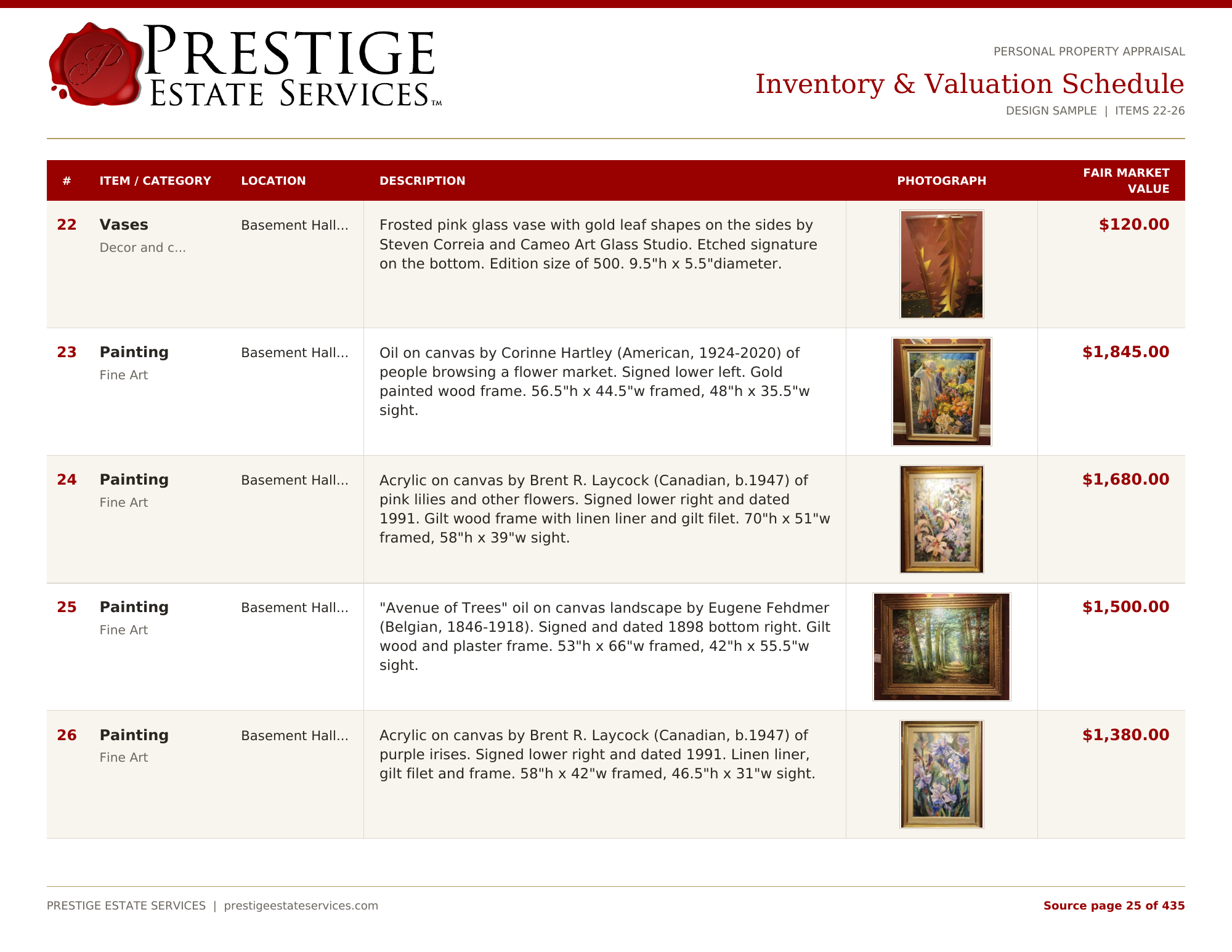
After delivery, routine questions about the report are included. Ask your appraiser if you need help finding an entry or understanding a conclusion. If your purpose later changes, we can discuss a separate report and the additional work it needs. We discuss those fees before proceeding. The new request then has a clear scope of its own.
How We Gather the Needed Evidence
We gather evidence in different ways for in-person and remote appraisals. Either can support formal work when it fits the property, evidence and report needs. For example, direct inspection is useful when details are hard to capture or many items need examination. Formal remote work needs enough photos and records to establish the key facts. These include identity, size, marks, condition and other features that affect value.
We assess whether remote work fits through intake and the formal estimate process. You do not need to purchase an informal photo opinion before asking about a formal appraisal. For insurance work, share your insurer’s instructions about inspection or records. Our explanation of remote and in-person appraisal options can help you prepare that discussion.
An Online Photo Appraisal helps you learn about an item from the photos and details you send. It gives an informal written estimate. It is not the formal report needed for tax, probate or insurance use. To choose the service, start with how you will use the answer. Sending photos alone does not define the type of appraisal you need.
Choosing an Appraiser for Property in Denver
A useful first conversation makes the proposed work clear. You should know what property is included, what question the appraisal answers and what you will receive. If a service name is unfamiliar, explain the situation in ordinary words. Prestige can help you discuss the appraisal work that fits your request.
Personal Property Appraisers Near Me in Denver
For personal property appraisal services, ask how the appraiser’s experience fits the types of items you own. A broad household project and a specialized collection can call for different research. Ask what the estimate includes and how to raise questions. Then send photos that give the team a useful view of your property.
IRS-Qualified Form 706 and Estate Tax Appraisers Near Me in Denver
When selecting estate-tax appraisal support, involve the preparer early to establish the date of value and report needs. Knowledge of the property and clear records both matter. Send the preparer’s instructions with your inquiry. This helps us plan the contents appraisal alongside the estate’s broader reporting work.
Areas Served Around Denver
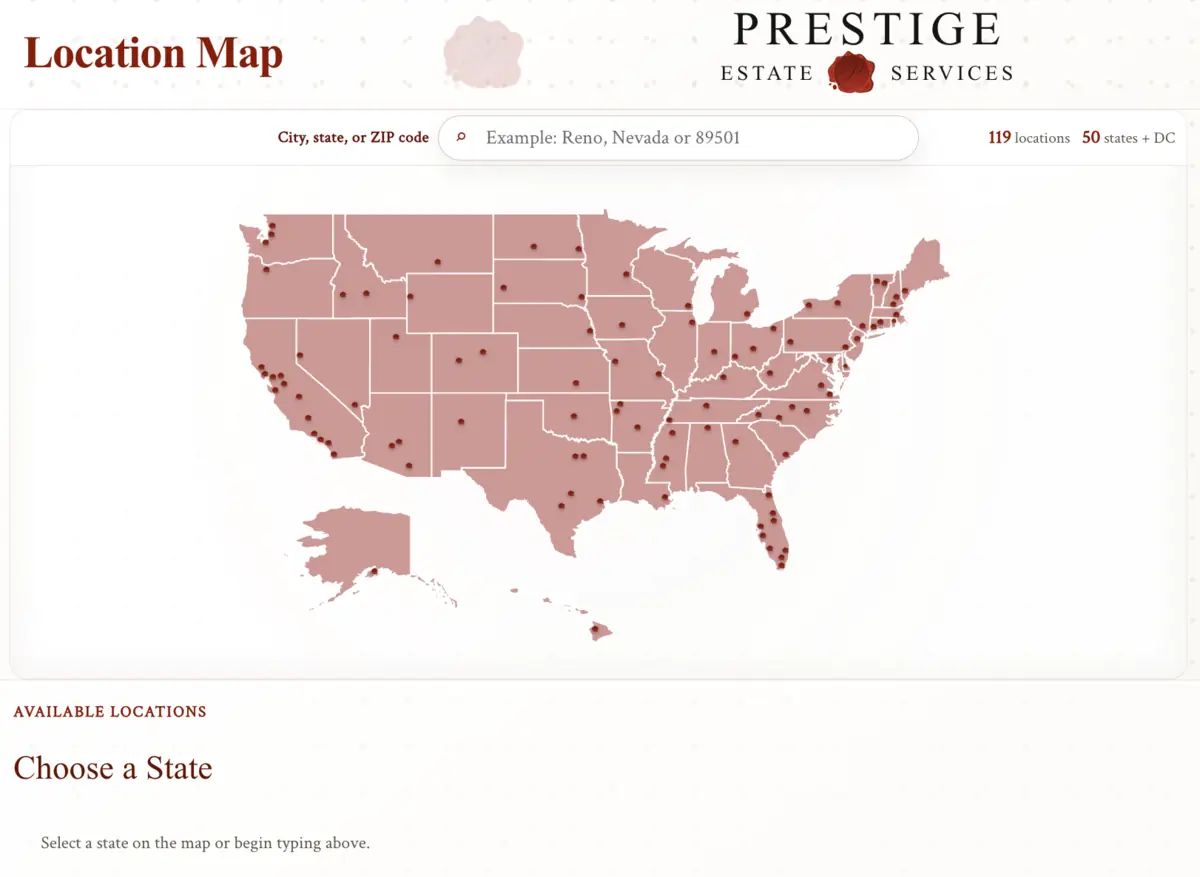
Prestige serves the Denver metro area. We also coordinate Colorado personal property work based on the project. Our listed Denver-area contact address is in the city of Lakewood. Give us the city where the belongings are kept. Your attorney, executor or family contact may live elsewhere. The property location helps us plan access and discuss how the work can proceed.
For property at more than one address, describe each site and the items kept there. We can assess the whole request before deciding how to gather evidence. Our location map and directory also make it easy to find information for another market. Contact us so we can discuss the next step for your specific sites.
Denver Personal Property Appraisal Questions
Getting Started With Your Appraisal
Where is your Denver-area contact address?
Our Denver-area contact address is in Lakewood, and this page covers Denver metropolitan personal property appraisal services. Give us the city where the belongings are located when you contact us. Please arrange the next step with our team before bringing items to an address.
Can you appraise belongings if I live outside Colorado?
You can begin the inquiry from elsewhere. Tell us where the property is located, why values are needed and who can provide access or useful documentation. We then assess the inspection or remote approach appropriate to the assignment. The client’s location and the property’s location can be different.
Do you appraise a home’s contents or the home itself?
We appraise personal property such as artwork, antiques, furnishings and collections. We do not provide real estate appraisals. If your adviser needs both building and contents values, describe the personal property portion to us so that our work has a clear boundary.
Property Records and Access
Must I know the maker or artist before contacting you?
No. Send the information you have and clear photographs of relevant features. Identification research can be part of the appraisal process. If a material question needs additional specialist evidence, the appraiser will explain what is needed for the proposed work rather than treating an uncertain name as established.
Can one appraisal report cover everything my family needs?
A formal report is prepared for an agreed purpose, audience and date. An estate administration request and a later insurance request may need different work or reporting. Tell us about the uses you already expect during intake. We can discuss the appropriate assignments and any later separate report before proceeding.
Should I restore or clean objects before the appointment?
Please avoid cleaning, refinishing or restoring items merely to prepare for an appraisal. Share known treatment records and make the property safely accessible. Do not lift heavy objects or handle fragile pieces unsafely. If an area is blocked, let us know so that we can discuss the evidence or access needed.
Reports, Changes and Timing
Can you work to an attorney’s deadline?
Share the deadline and the attorney’s instructions at the start. We will assess the project, available records and schedule. Most formal work generally takes about two to four weeks after intake, depending on the assignment. An expedited deadline becomes a commitment only when Prestige confirms it in writing.
What information should I include in my first message?
State the property’s city, why you need values, the rough number or volume of items and your deadline. Send photos that show the range of items and any adviser instructions. You can ask about one object or broad household contents. You do not need a complete inventory just to start the conversation.
Discuss Your Denver Appraisal
Tell us what you need the appraisal to help you do. Describe the belongings and their location, then share any deadline or written instructions. Our team will review your request and explain the next steps toward a clear scope and estimate.
225 Union Blvd., Suite 150, Lakewood, CO 80228(303) 479-4970