Buffalo–Niagara Falls Personal Property Appraisers
Buffalo–Niagara Falls personal property appraisers at Prestige Estate Services help you understand a household or a single unfamiliar object. Prestige Estate Services provides personal property appraisals in Buffalo, Niagara Falls and nearby Western New York communities. We appraise art, antiques, furniture, jewelry and collections, as well as suitable business contents. Tell us what you have and why you need a value so we can help you choose the next step.
Our in-house team handles your appraisal. The team reviews each formal report for quality and appropriate USPAP reporting before delivery.
Jump to Appraisal Services

Planning With Buffalo–Niagara Falls Personal Property Appraisers
A few photos and a short description are often enough to start the conversation, so you do not need a complete inventory to get in touch. You may have an attorney’s request for a report or need values before sharing inherited belongings with family. We then explain what each type of work involves, what information would help and what you would receive. You can ask questions before agreeing to the project.
Our area includes Amherst, Williamsville, Clarence, Orchard Park, East Aurora, Lewiston and Grand Island, as well as Buffalo and Niagara Falls. For belongings elsewhere, see our other appraisal locations. Prestige Estate Services appraises tangible personal property. We do not provide real estate appraisals. In plain terms, we value the belongings, rather than the land or building that holds them.
Meet Our Personal Property Appraisers
Meet Your Personal Property Appraisal Team for Buffalo–Niagara Falls, New York
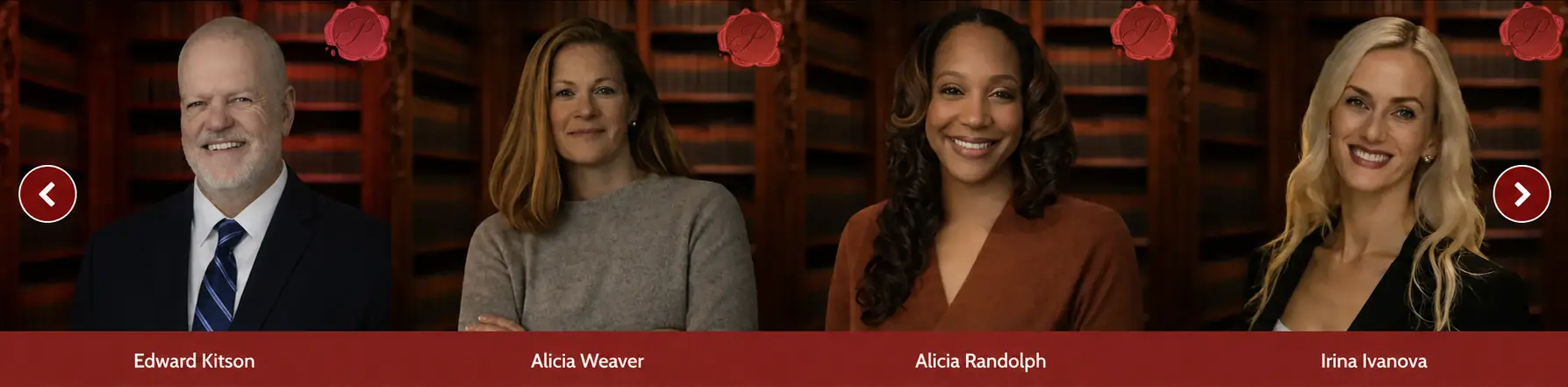
The appraisers you work with are in-house W-2 employees of Prestige Estate Services, not independent contractors.
We plan the work around your belongings and the reason you need the report. A household with paintings, silver and furniture may need research in several fields. A single collection may call for more focused knowledge. Describe the main types of property when you contact us so we can explain who should take part and how to organize the work.
You can learn about that range of knowledge through our team’s published backgrounds. For example, experience in fine art and textile design can help an appraiser understand an object’s materials and how it was made. We confirm who will handle your project during the planning stage. The team page lets you explore our backgrounds before that discussion.
Where are the Buffalo–Niagara Falls belongings?
Also tell us whether the property is at one address or spread between Buffalo, Niagara Falls and another Western New York location. A short list by address helps separate the items to examine from records held elsewhere. Keep photographs labeled with their location so a collection does not become mixed with another household’s contents.
Who can provide access and records?
If you are arranging the work from outside the area, identify a local access contact and the person who can answer questions about the belongings. Share room views, important item details and the adviser’s instructions. We can then discuss whether on-site examination or a formal remote approach fits the evidence and intended use.
Personal Property Appraisal Services in Buffalo–Niagara Falls
Personal Property Appraisals in Buffalo–Niagara Falls
What will a personal property appraisal tell me? A personal property appraisal gives Buffalo owners a written explanation of value. Personal property valuation connects that conclusion to a stated purpose and date. It identifies the items, gives values and shows the research behind them. Our personal property appraisal services help you turn an uncertain price question into a written record you and your adviser can use.

The purpose matters because one object can have more than one useful value. An insurer may need to know what a similar item would cost to replace. An estate adviser may need its market value on a past date. We ask who will use the report and what decision it must support. You can explain the situation in your own words; you do not need to know the correct appraisal term.
Evidence for personal property appraisal
By tying each value to an item or clearly described group, the report helps prevent mix-ups between similar pieces or parts of a set. You can return to an entry later and see what it covers. If your adviser has a question about one amount, the description and research give everyone a clear starting point for that discussion.
Hypothetical example: distinguishing the report from a working spreadsheet
A Buffalo owner might receive a signed report and later edit a spreadsheet copied from its item list. The owner could add belongings and alter totals for personal planning. Those changes would not become new appraisal conclusions simply because the original descriptions remain.
A personal property appraisal would identify the issued report and the property it covers. If the owner needs revised findings, we would review the changed request and evidence. Keeping the planning worksheet separate would help an adviser see which amounts come from the appraiser and which are the owner’s later entries.
Tangible Personal Property Appraisals in Buffalo–Niagara Falls
What does tangible personal property include? A tangible personal property appraisal covers physical belongings in Niagara Falls. A household contents appraisal may include furniture, art, silver, jewelry, books and collections. Examples include furniture, art, silver, jewelry, books and collections. Our tangible personal property appraisal service can cover one category or a wider group of contents. Start with what you know about the items; missing maker names or uncertain dates do not prevent you from asking about an appraisal.

It helps to decide what should be included before research starts. Does “the dining room” mean the table and chairs alone? Or should it include the pictures, silver and other contents as well? We work through those choices with you. The agreed property list gives both you and the appraiser a clear view of the job, including smaller items that might otherwise be missed.
Evidence for tangible personal property appraisal
Some belongings need their own entries, while others can be recorded in suitable groups. A notable object within an ordinary room may need separate research even if most of the contents are grouped. We explain the proposed approach so you can check that it fits your needs. This is also a good time to point out items stored away from the main household.
Fair Market Value Appraisals in Buffalo–Niagara Falls
Why is fair market value different from an insurance value? A fair market value appraisal in Buffalo addresses an informed, willing buyer and seller without compulsion. Fair market valuation answers a different question from insurance replacement cost. An insurance value may concern the cost to replace the property instead. Our personal property appraisers first establish which kind of value your report needs. That choice guides the market research.

A price found online is only a starting point. The item may still be for sale, the condition may differ or the seller may be asking an unusual amount. We look at evidence that fits the object, market and date. Completed sales can help, but they still need careful comparison. Two pieces that look much alike in small photos may differ in maker, size, quality or repairs.
Evidence for fair market value appraisal
Suppose a family wants to compare inherited belongings using an old insurance list. Those figures may describe replacement costs, rather than the market values needed now. We can then explain that difference and research a consistent basis for the new report. The family can then compare like with like, without assuming every price in its files answers the same question.
For executors, trustees, attorneys and CPAs
Estate Tax, Form 706 and Date-of-Death Personal Property Appraisals in Buffalo–Niagara Falls
Estate Tax Appraisers in Buffalo
Where should I start if my adviser needs estate values? For estate tax appraisal work in Niagara Falls, start with the adviser’s request. Our estate tax appraisers also need a brief description of the belongings. An estate-tax appraisal can cover the personal property your adviser has asked you to value. We discuss which items to include, the date the values must reflect and who will use the report. You do not need to choose a market or assign prices yourself before making the inquiry.

An existing inventory may show room contents, identify a collection or provide item numbers already used by the adviser. We first review what is available and explain what else would help. The job may call for separate entries for important pieces and sensible groups for ordinary contents. This plan keeps the report tied to the actual property in the estate.
Evidence for estate tax appraisal
The appraiser studies the items and relevant sales evidence, then explains the values in a report for the agreed date and purpose. As executor, you can pass it to the preparer as part of the estate’s records. Your tax adviser decides which filings are required and how the estate should treat the information. The appraisal provides the personal-property values needed for that work.
Tell us about deadlines early, and let us know who can provide access if you do not live near the belongings. We can discuss timing before you agree to the work. If Form 706 is involved, the next section explains how clear item records help the person preparing the return.
IRS-Qualified Estate Tax Appraisers for Form 706 in Buffalo–Niagara Falls
How does an appraisal support a Form 706 preparer? Our IRS-qualified estate tax appraisers help Buffalo preparers connect property entries to researched values. A Form 706 appraisal explains the relevant date and supporting evidence. A clear appraisal connects the items, descriptions and research. We plan that personal-property work with the person authorized to act for the estate. If the preparer already uses item numbers, share them so we can discuss how the records will fit together.

The IRS instructions for Form 706 cover household goods and personal effects, including appraisal support for certain property. Your adviser decides which instructions and filing requirements apply. We provide the agreed appraisal work. Preparing the return is a separate task, and an appraisal does not promise that the IRS will accept a particular value.
Evidence for IRS-qualified estate tax appraiser
Useful entries make it easy to tell an individual piece from a group. “Living-room contents” should not leave the reader guessing whether a separately listed painting is counted twice. Descriptions, photos where agreed and clear references help resolve those questions. The research explains the main evidence used for values that need individual support, so the preparer can follow the report.
The appraiser’s knowledge must also fit the property. Artwork, decorative objects and everyday furniture do not all need the same research. Tell us about the range of belongings, including collections kept apart from the home. We can discuss the skills needed and explain the work to be included before the estate commits to the project.
Date-of-Death Personal Property Appraisals in Buffalo–Niagara Falls
Can you value belongings as of the date someone died? A date-of-death appraisal may be possible for Niagara Falls belongings when the evidence supports it. This retrospective appraisal addresses the required earlier date. A date-of-death appraisal looks back to the required date, even if we inspect the property later. We clearly distinguish the date of value from the date the report is written, so readers understand which point in time the findings address. The goal is to explain what the belongings were worth at the time your adviser has requested.
Older photos, receipts, inventories and prior reports may help show what the property was like then. A current inspection can add details about items still present. Tell us if something has been repaired, damaged or changed since the death. That information helps the appraiser avoid treating today’s condition as proof of its earlier condition.
Evidence for date-of-death appraisal
Because markets can change, a later sale may offer useful evidence without automatically establishing the property’s earlier value. We consider the dates and explain how the evidence relates to the requested point in time. An old insurance report can also help identify property, even when its type of value is unsuitable for the estate’s current need.
Probate and Estate Inventory Appraisals in Buffalo–Niagara Falls
Probate Appraisals in Buffalo–Niagara Falls
How can an appraisal help with a probate inventory? A probate appraisal adds supported values to a Buffalo representative’s estate records. Our probate appraisers follow the agreed property scope and instructions. We identify the included belongings and research values for the instructed date. The report then gives the representative a record that can be connected to the estate inventory. Counsel explains the filing requirements and how the report will be used.
Broad descriptions can hide useful distinctions, such as several ordinary chairs grouped in one entry and another chair that needs separate research. A set could be listed as several loose items even though its value depends on keeping the pieces together. We discuss how to record the property so the reader understands what each amount includes. Clear grouping can help avoid missed items and double counting.
Evidence for probate appraisal
Share any property list or inventory format your attorney has supplied. We can then explain how the appraisal will relate to it and which details still need work. Probate and federal estate-tax reporting serve different purposes. Tell us the actual request, rather than assuming the same report will fit every estate task. Planning around that request gives the work a useful focus.
Estate Inventory and Valuation Reports in Buffalo–Niagara Falls
Can you make an inventory before we decide what needs an appraisal? Estate inventory and valuation can begin with a Niagara Falls contents list. A contents inventory documents property; research adds values when the project calls for appraisal work. An estate inventory records the belongings included in the project, while appraisal work adds research and values when you need them. You may want a contents list for family planning, values for selected pieces or a formal report for an adviser. We discuss those choices at the start. A photo list alone is not the same as a researched appraisal.

An inventory can follow rooms, categories or collections, with clear descriptions and agreed photos that help people find the same item in the record. This is useful when relatives live elsewhere or use different names for an object. An entry for a particular cabinet is easier to discuss than a reference to “the old furniture upstairs.” Item numbers can make that conversation simpler still.
Evidence for estate inventory and valuation
You can also use an inventory to plan later work. Perhaps a collection needs individual values, while the remaining contents only need a record for now. Point that out when you contact us. The inventory shows what is present and how it is recorded; the appraisal explains value for the agreed use. Keeping those goals clear helps you request the work you actually need.
Donation, Insurance and Damage Appraisals in Buffalo–Niagara Falls
Charitable Donation Appraisals in Buffalo–Niagara Falls
When should I arrange an appraisal for a planned donation? Arrange a charitable donation appraisal in Buffalo while the property and records remain available. A noncash donation appraisal can support the work your tax adviser requests. If your tax adviser asks for a qualified appraisal of a noncash gift, we can discuss that work. Tell us what you plan to give, who will receive it and the proposed timing. Those details help us plan the appraisal while your adviser works through the tax requirements.

The report and Form 8283 have different roles. The IRS instructions for Form 8283 explain the form’s requirements and when appraisal records are involved. Each person has a role: the donor, recipient, appraiser and tax preparer. We address the appraiser’s duties for the agreed work. Your adviser determines the rules and deadlines that apply to the gift.
Evidence for charitable donation appraisal
The research focuses on the actual donated items. We study identifying features, condition and useful history, then compare relevant market evidence. If you plan to give several objects, make sure the list is clear. The appraisal and gift records should refer to the same property. This lets the preparer connect the reported values to the contribution without guessing which pieces were included.
An appraisal supplies evidence of value; it does not by itself establish the amount you can deduct. Ask your tax adviser about that amount and any other conditions. Early planning gives you time to arrange access, gather useful records and coordinate the appraisal with the transfer. We explain the proposed work before you agree to it.
Hypothetical example: clarifying what interest the donor plans to transfer
A Niagara Falls collector might plan to give a museum an object while retaining a proposed right to possess it for part of each year. A value for outright ownership would not, by itself, answer every question about that arrangement. The donor’s adviser would need to clarify the actual interest and applicable requirements.
Before a charitable donation appraisal, we would request clear instructions about the property interest to be valued and assess whether the assignment fits our work. The report would identify its scope. It would not promise eligibility or treat an unrestricted gift and a different transfer as identical.
Insurance Appraisals in Buffalo–Niagara Falls
What does an insurance appraisal give me? An insurance appraisal documents Niagara Falls belongings for the coverage question identified with your insurance professional. Insurance replacement valuation follows that defined purpose. It is often used before a loss, when you arrange coverage or review an older list. We establish the appropriate replacement market and report needs before starting. As a result, this helps ensure the work answers the question your insurer has asked.

Descriptions of materials, size, marks and condition can distinguish your item from a similar one, making those details as useful as the values. Photos may add further detail. Together, these records help the insurance professional understand what the proposed amount covers. Send any requirements from the insurer with your inquiry so we can discuss the right approach, including how individual pieces should be listed.
Evidence for insurance appraisal
An older appraisal may no longer describe your collection fully. You may have added pieces, changed a setting or repaired an item. Tell us about those changes when requesting a review. The updated report can support a conversation about coverage. The insurer sets the policy terms and decides what is covered; the appraisal supplies the agreed property details and values.
Damage and Loss Appraisals in Buffalo–Niagara Falls
Can an appraisal help if an item is damaged or missing? A damage and loss appraisal may address Buffalo property that is damaged or missing. A loss appraisal depends on what the available evidence can establish. We first review what can be examined and what the report needs to answer. An item still present may be inspected directly. For property that is gone, earlier photos, inventories and reports can become important sources. We then explain whether those records support the proposed work.

A useful photo might show a maker’s mark or a feature no longer visible after damage, while a repair record might describe what changed. Our team’s experience in claims inspection and restoration is relevant to reading that kind of information. Send the records you have, even if they were created for a different purpose. We can assess how they help identify the item and its condition.
Evidence for damage and loss appraisal
The report explains what the appraiser observed, what came from other records and which basis of value applies to the work. As a result, this allows the intended reader to follow the conclusion when the original property cannot be fully examined. The appraisal provides the agreed value work. Coverage, responsibility for the event and payment decisions belong to the parties handling those issues.
Family, Legal and Appraisal Review Services in Buffalo–Niagara Falls
Divorce & Marital Asset Appraisals in Buffalo–Niagara Falls
Can an appraisal help spouses compare property values? A divorce appraisal can give Niagara Falls spouses a shared value record. A marital asset appraisal supplies neutral findings for the agreed belongings. An impartial appraisal can give spouses and their attorneys a shared value record for household belongings. We agree on the items, date and type of value before research begins. The report can then support negotiation, mediation or another stated use. It describes the property and explains the values without deciding who should receive the items.

Different figures can reflect different questions: a purchase receipt records what was paid, while an insurance report may show replacement cost. A current market appraisal may show something else. We explain the basis requested for the new report so both parties can compare values on the same terms. This can make a disagreement easier to understand, even when the parties still prefer different outcomes.
Evidence for divorce appraisal
The item list matters as well. One spouse may be discussing a whole collection while the other means a few selected pieces. We clarify what the appraisal includes and connect values to those entries. Attorneys and the parties decide legal ownership and division. The report then gives them the personal-property information needed for that discussion, rather than making those legal choices for them.
Equitable Distribution Appraisers in Buffalo
How can values help heirs divide belongings? An equitable distribution appraisal gives Buffalo heirs researched figures to compare. An inheritance appraisal can inform selections without deciding who should receive an item. We value the agreed belongings and connect each amount to a clear entry. Family members can then consider those figures alongside personal preferences. A report may be useful when one person wants a collection and another prefers several unrelated pieces, making simple item counts unhelpful.

Sets need particular care because a group may have a value together that differs from the total for scattered pieces. We then explain how sets and groups are treated in the report. The family can then see what each figure assumes before planning a split. If separating a set is part of the question, tell us before the research so the work addresses that choice.
Evidence for equitable distribution appraisal
Sentimental importance remains part of the family’s discussion, but it is not an amount added to market value. The appraiser does not choose recipients or set payments between heirs. The report then gives the family and its advisers information they can use to compare options. It also provides a record to return to if the proposed division changes during those conversations.
Hypothetical example: using ranges without assuming an exact balancing payment
Buffalo heirs might compare two selections using a report that states supported value ranges for uncommon objects. One person could choose the highest figure for another heir’s selection and the lowest for their own. That would create a precise-looking difference without a consistent way to use the findings.
For an equitable distribution appraisal, we would explain the evidence and why a range is appropriate where used. We could clarify how the figures relate to the agreed valuation basis. We would not select endpoints merely to achieve a preferred settlement.
The family and advisers could then decide how to handle uncertainty in their allocation process. If they need a different form of conclusion, we would discuss whether the evidence supports it. The report would inform that decision without implying that a chosen endpoint is a separately researched exact value.
Litigation Appraisal Review in Buffalo–Niagara Falls
What can a review tell me when two appraisals disagree? An appraisal review examines the work behind a Niagara Falls report. The review appraiser studies the methods and evidence within the agreed scope. We can look at the agreed reports, evidence and methods, then explain meaningful differences for counsel. A review may show that two appraisals answered different questions or identify conclusions that need stronger support. We establish the questions to be reviewed before the work begins.
The highest or lowest number is not automatically the right one. Reports can differ in their dates, value types, property lists and sales evidence. The reviewer follows those differences to see how they affect the conclusions. Share complete reports and relevant exhibits where possible; a total taken from one page does not show how the appraiser reached it.
Evidence for appraisal review
A review does not always include a new value opinion. That work is added only when it is part of the agreed project. You can therefore ask for an assessment of another appraiser’s work without assuming every object will be appraised again. Counsel decides how to use the findings. We then explain what the review will cover and what kind of report it will provide.
Restricted Appraisal Reports in Buffalo–Niagara Falls
Is a Restricted Appraisal Report right for my needs? A Restricted Appraisal Report may fit a Buffalo request when concise formal reporting suits the use and readers. A restricted personal property appraisal report still requires adequate development. We discuss those needs before choosing the format. A Restricted Appraisal Report gives less explanation than a fuller report, but it is still a formal appraisal. It is not the same as an informal photo estimate or a promise to do less research.
The underlying work must fit the property and the question. The report then identifies the items, value date, type of value and relevant limits. Tell us who needs to rely on it and how much background they have. A reader who knows little about the collection may need more explanation than a shorter format provides. That is a useful issue to resolve before work begins.
Evidence for restricted appraisal report
The shortest report is not always the best fit. We explain the suitable options so you can understand what you will receive. If the purpose or users change later, ask us to review the original terms before sharing it for the new need. A report written for one decision should not be assumed to answer a different one simply because the items are the same.
Government and Business Asset Appraisals in Buffalo–Niagara Falls
Government & Seized Asset Appraisals in Buffalo–Niagara Falls
How can an agency use a personal-property appraisal? A government property appraisal can address Niagara Falls agency assets. Government asset appraisal may cover collections, seized property or surplus contents. We discuss the decision the appraisal must support and the property it should cover. The report then links the agreed values to items or clear groups. The authorized agency contact sets out the request so the research and reporting can be planned around it.

Existing asset lists can provide a useful starting point. Tags, photos, quantities and descriptions help connect the appraisal to the agency’s records. We check the details that affect value and research the appropriate markets. Ordinary furnishings may be grouped, while an important collectible needs its own study. The report explains the chosen treatment so a reader knows what each entry includes.
Evidence for government property appraisal
Agency staff can use the agreed report for the stated planning or record needs. The agency remains responsible for custody, purchasing and disposal procedures, which the appraisal does not replace. Also share any required list format at the start. Matching clear item references can make the finished values easier to follow without changing the research needed for the actual property.
Furniture, Fixtures and Equipment Appraisals in Buffalo–Niagara Falls
What is an FF&E appraisal? An FF&E appraisal in Buffalo values furniture, fixtures and equipment within a defined scope. The equipment appraisal addresses physical assets. This appraisal concerns the physical assets included in a business or institutional project, such as desks, movable furnishings and equipment. We establish which items fall within the work and why values are needed. It does not value the business itself or its real estate. The report connects the included assets to researched values.

A broad label such as “office equipment” rarely tells the full story. Model, age, capacity and working condition can affect the comparisons. Quantities matter too: the reader should know whether one entry covers a single unit or a defined group. Useful records help us identify what is present, while the inspection or other agreed review adds details about the actual assets.
Evidence for furniture, fixtures and equipment appraisal
An accounting list may show original cost or book value. Those figures can help trace an item, but they do not necessarily show current market value. We then research the type of value your project requires and explain the result. You can then relate the amounts back to the asset list and use the report for the agreed business decision.
Art, Antiques and Furniture Appraisals in Buffalo–Niagara Falls
Art Appraisals in Buffalo–Niagara Falls
How do you work out an artwork’s value? Art appraisal begins with identifying a Niagara Falls work as far as the evidence allows. Fine art appraisal considers its medium, size, condition and available history. Medium, size, condition, artist and available history can all matter. A painting, print and photograph by the same artist may need different comparisons. We then research evidence that fits the actual work and explain the value for the purpose and date agreed with you or your adviser.
Look for useful records, but do not remove frames or risk damage to find details. A purchase invoice, edition number or earlier photo may help. Our team’s experience with art history and artwork records supports attention to these sources. We can then explain what information would help and whether any further examination is needed to answer an identification question.
Evidence for art appraisal
An artist’s highest auction price does not establish the value of every work by that artist because size, medium, subject, date and condition may differ. We connect the chosen evidence to the piece in the report. If uncertain authorship affects the value, we explain the available support and whether further expertise is needed. That lets the reader understand both the conclusion and its basis.
Antique Appraisals in Buffalo–Niagara Falls
Can you appraise an antique if I do not know its history? An antique appraisal can use clues in a Buffalo object even when its history is unknown. Our antique appraiser studies its materials and construction. We first examine materials, construction, marks and condition, along with any history you can share. Those details guide the search for suitable comparisons. You do not need to know the maker or exact age before asking for help. Describe what you know and let us explain what the research could involve.
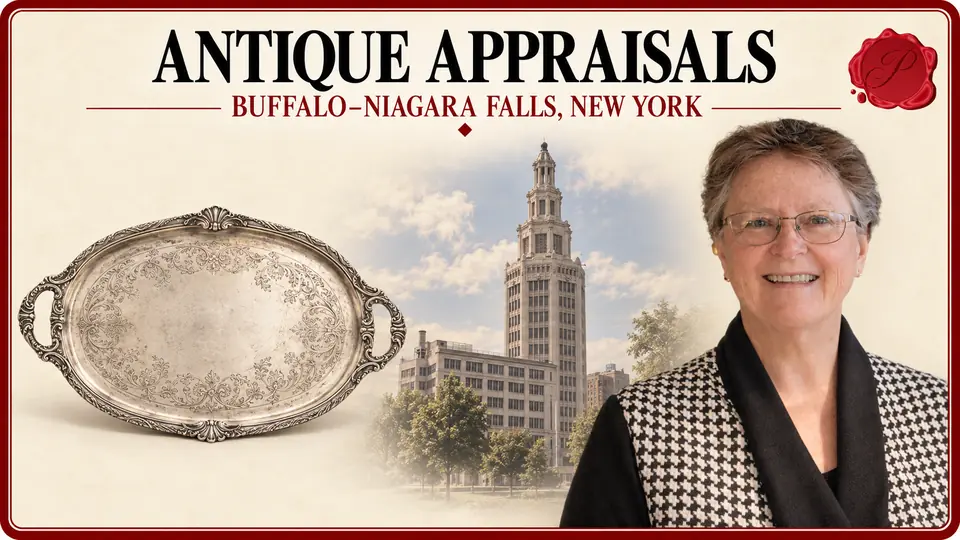
For example, two silver-colored objects may be made in quite different ways. Marks and construction can help distinguish solid silver from plated work. Our team includes expertise in silver and Old Sheffield Plate. That kind of focused knowledge helps the appraiser select relevant evidence instead of treating all objects in a broad category as equal.
Evidence for antique appraisal
Repairs, missing parts and later changes can affect the comparison too. Share any known work without trying to improve the item before an appraisal. Once its identity is supported as far as possible, we study the relevant market and explain the value. The report then gives you a sounder basis for discussing an heirloom than an uncertain family label or a loosely similar online listing.
Furniture Appraisals in Buffalo–Niagara Falls
Do you appraise newer furniture as well as antiques? A furniture appraisal can include older and newer Niagara Falls furnishings. Furniture valuation follows the features and market relevant to each piece. A single home may contain antique, vintage, designer, custom and contemporary furniture, all of which can be included in an appraisal. Maker, materials, construction and condition help guide the research. We choose comparisons that fit the pieces and the report’s purpose. We do not apply one percentage of the purchase price to every furnishing in a room.

A label, receipt or old photo may help identify a model or maker. Changes such as replaced fabric, repairs and refinishing may also affect how a piece compares with others. Tell us what you know and share any records you have. Missing receipts do not automatically prevent an appraisal; we assess what can be learned from the furniture and other evidence.
Evidence for furniture appraisal
The way a suite is recorded should fit your needs. Some projects call for values for a complete group, while others need separate entries. We discuss that choice before reporting the results, then describe which pieces each amount includes. As a result, this helps you or an adviser use the report without mistaking one chair’s value for the value of a whole set.
Hypothetical example: considering practical dimensions in comparisons
A Niagara Falls owner might compare a very long conference table with shorter tables from the same maker. The longer piece could have cost more when new, but its size might limit which buyers can use it. The original size premium would not settle its current value.
For a furniture appraisal, we would record the dimensions and study market evidence relevant to that configuration. Comparable maker names alone would not remove the size difference. The report could explain how the available evidence supports the conclusion without assigning an automatic premium or discount for every extra foot.
Photo Appraisal Guidance and Fees in Buffalo–Niagara Falls
Online Photo Appraisal Guidance in Buffalo–Niagara Falls
What can an Online Photo Appraisal tell me? An Online Photo Appraisal offers Buffalo clients informal help with an item’s identity and approximate value. Informal photo appraisal uses the images and details you supply. An appraiser reviews your photos and details, then sends a written result by email. Where the evidence supports it, that result includes identification, an estimated value or range and useful context. It can help you understand an unfamiliar object before deciding whether to request formal work.
Good photos show different useful details. Include an overall view and close views of marks, labels, signatures or other features. Add the size and what you know about condition and history. Several clear angles tell the appraiser more than many versions of the same photo. If you cannot safely reach a mark or move an item, explain that rather than risking damage.
Evidence for online photo appraisal
The Online Photo Appraisal is an informal estimate of value. It cannot be used for formal, legal, court, insurance, charitable donation or IRS purposes. Ask about a formal appraisal when an adviser or another party needs to rely on a report. Some formal work may use remote information, but that is a separate service with its own scope and reporting needs.
Personal Property Appraisal Fees in Buffalo–Niagara Falls
What helps you estimate an appraisal fee? Personal property appraisal fees for Niagara Falls projects depend on the requested work. An appraisal estimate needs the purpose, property overview and any deadline. Include any date by which the report is needed. A small collection can take substantial research, while a larger group of ordinary contents may be handled differently. Item count helps us understand the project, but it does not explain all of the work.

Beyond examining the property, the appraiser studies market evidence, weighs meaningful differences and writes the report. A fee discussion should cover that whole process. If you only need selected items valued, make that clear. We can then discuss a proposal for those items rather than assuming you want every household belonging included.
Evidence for personal property appraisal fees
Use the central Fee Schedule for current fee information. Once we understand the project, we can discuss the proposed work, report and timing together. Ask what is included and raise any questions before you agree to proceed. Knowing the intended result is more useful than comparing fees for projects that may provide very different amounts of research or reporting.
Documentation Trusted by Attorneys, CPAs and Insurers
Begin with the request that led you to seek an appraisal. An attorney or insurer may have already named a purpose, date or group of items. Send those instructions with your inquiry. If you are still deciding what you need, tell us about the decision ahead. We can help turn that description into a clear plan without asking you to learn technical language first.
Next, gather the information that is easy to provide. A few broad photos can show the volume and range of contents. Existing inventories, receipts and older reports may help identify individual pieces. We then explain which records are useful for the proposed job. You do not need to create a detailed catalog before asking whether an appraisal is appropriate.
After the agreed inspection or information review, the appraiser researches the market and prepares the report. The Appraisal Foundation’s USPAP overview explains the ethical and performance standards that include personal property appraisal. The report then states what the work covers and explains its results. Clear item descriptions help the reader follow the connection between the belongings, evidence and values.
When the report arrives, check the property descriptions against the items you meant to include. Ask about any factual detail or item reference that seems unclear. Naming the entry helps us address your question directly. Keep the report’s purpose and date in mind when comparing it with older records; a different figure may answer a different question rather than reflect a simple error.
Formal Remote, In-Person and Online Photo Appraisals
A formal remote appraisal may be suitable when photos and records provide enough evidence for the property and purpose. An in-person appraisal includes an on-site examination when that is needed. We assess the information required before selecting the method. A visit is one part of the work; research and reporting still follow. Tell us about access limits so we can discuss a practical plan.
The Online Photo Appraisal is a separate informal service for an initial item question. It does not replace a formal estate or insurance report. Our guide to remote and in-person appraisal options explains the choices. You can use it to prepare questions, then discuss which method fits the belongings and the person who needs the result.
Choosing Personal Property Appraisal Help in Buffalo–Niagara Falls
Personal Property Appraisers Near Me in Buffalo
Ask how the appraiser’s knowledge fits your belongings and what the report will help you do. Credentials are easier to assess when you understand how they relate to the job. Our personal property appraisal approach begins with the items, purpose and research needs. You should be able to understand the proposed work before making a commitment.
Describe the contents as they stand and point out any uncertainty; you do not have to decide in advance which pieces are important. We can then discuss whether a contents inventory, an appraisal of selected items or a wider household project would fit. That conversation is useful even when you are arranging work for someone else’s property and have only limited records.
IRS-Qualified Form 706 and Estate Tax Appraisers Near Me in Buffalo
For an estate-tax request, share the preparer’s instructions early. Ask how the report will identify the belongings and address the required date. Our estate-tax appraisal service provides the personal-property work, including Form 706 support when requested. Clear descriptions and references help the preparer relate those values to the estate’s other records.
If the property is in Western New York while you or the adviser lives elsewhere, tell us who is authorized to arrange the work and who can help with access. We can then discuss how to gather information and coordinate the appraisal. Everyone who will read the report does not need to attend the inspection for the project to be planned.
Areas Served Around Buffalo–Niagara Falls
We serve Buffalo and Niagara Falls and nearby communities such as Amherst, Williamsville, Cheektowaga, Tonawanda and Kenmore. Our coverage also includes West Seneca, Orchard Park, Hamburg, East Aurora, Clarence, Lancaster and Grand Island. Inquiries may concern North Tonawanda, Lewiston, Youngstown, Wheatfield and Lockport as well. Give us the actual location of the belongings so we can assess the request and plan the work.
A project can involve a home, a separately stored collection or suitable business contents. If the property is spread across several addresses, describe what is at each one. Clear location notes help prevent two similar items from being confused. We can then discuss whether one coordinated project makes sense and how the report should distinguish the contents at each address.
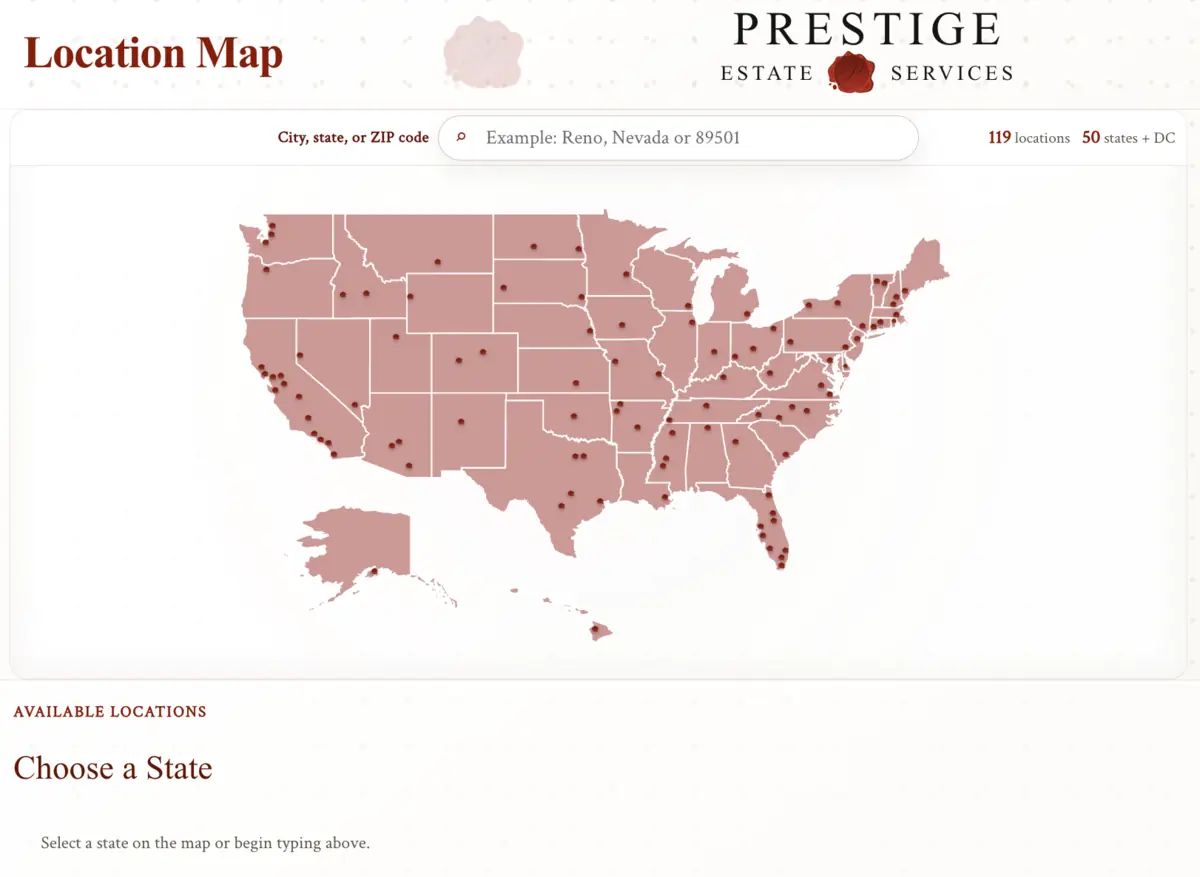
You do not need to live at the property to start an inquiry. Tell us who can share information and arrange access. The right inspection or remote method depends on the property and report needs. For belongings beyond this area, see our appraisal locations directory and contact the team about the specific project.
Frequently Asked Questions in Buffalo–Niagara Falls
Property and Estate Appraisals
What does a personal property appraiser value?
We value physical belongings such as art, antiques, furniture, jewelry, silver and collections. Suitable business equipment can also be included. You may need values for a few items or broader household contents. We confirm which property the project covers before planning the research and report.
Do you provide real estate appraisals in Buffalo or Niagara Falls?
No. Prestige Estate Services appraises tangible personal property. We do not provide real estate appraisals. We can discuss the belongings inside a home, but the value of the land and building is outside that service.
Can you prepare a date-of-death appraisal after the estate is opened?
Yes, if the available evidence supports the work. We can inspect later and research values as of the required earlier date. Old photos and records may help show the belongings and their condition at that time. Tell us the date your adviser has requested.
Property Records and Access
Does an estate inventory always include values?
No. An inventory records the belongings. Appraisal work adds research and values. Tell us whether you need a contents list, values for family planning or a formal report for an adviser. We can then explain the work that fits your goal.
Reports, Access and Estimates
Can I use a photo estimate for insurance or tax purposes?
No. An Online Photo Appraisal is informal value guidance. It cannot be used for formal, legal, court, insurance, charitable donation or IRS purposes. Ask about a formal appraisal if an adviser or another party needs to rely on the report.
Can an executor who lives elsewhere arrange an appraisal?
Yes. Tell us where the belongings are and who can help with information and access. We discuss the report needs and suitable inspection or remote method with the authorized contact. You do not have to live in Buffalo to begin that conversation.
Reports, Changes and Timing
Why does an older appraisal show a different value?
It may use a different date, purpose or type of value. The property’s condition and market may also have changed. Share the full report so we can see what it addressed. We can then discuss the work needed to answer your current question.
How do I request an appraisal estimate?
Send a short description of the property, its location, your reason for the appraisal and any needed report date. A few useful photos help us understand the job. We discuss the proposed work and current fee information before you agree to proceed.
Request a Personal Property Appraisal in Buffalo–Niagara Falls
Tell us about the belongings in Buffalo, Niagara Falls or the surrounding area and why you need an appraisal. Include your contact details and any instructions or deadline from an adviser. A brief description is enough to start, and we will explain the next step and which information would help with your project.
266 Elmwood Ave, Buffalo, NY 14222(332) 456-3885