Pasadena Personal Property Appraisers
IRS-Qualified · USPAP-Compliant · Pasadena, California
Our Pasadena personal property appraisers research values for art, antiques, furniture and household collections. Prestige Estate Services prepares written reports for estates, insurance, gifts to charity and family decisions. Tell us what you would like appraised and how you plan to use the result. We can then explain the work and suggest an approach that fits your needs.
Our in-house team handles your appraisal. The team reviews each formal report for quality and appropriate USPAP reporting before delivery.
Jump to Appraisal Services

Planning With Pasadena Personal Property Appraisers
Our service area also includes South Pasadena, San Marino, Altadena, La Cañada Flintridge, Sierra Madre, Arcadia and Monrovia. We appraise the belongings in a home or business; we do not appraise the building or land.
Meet Our Personal Property Appraisers
Meet Your Personal Property Appraisal Team for Pasadena, California
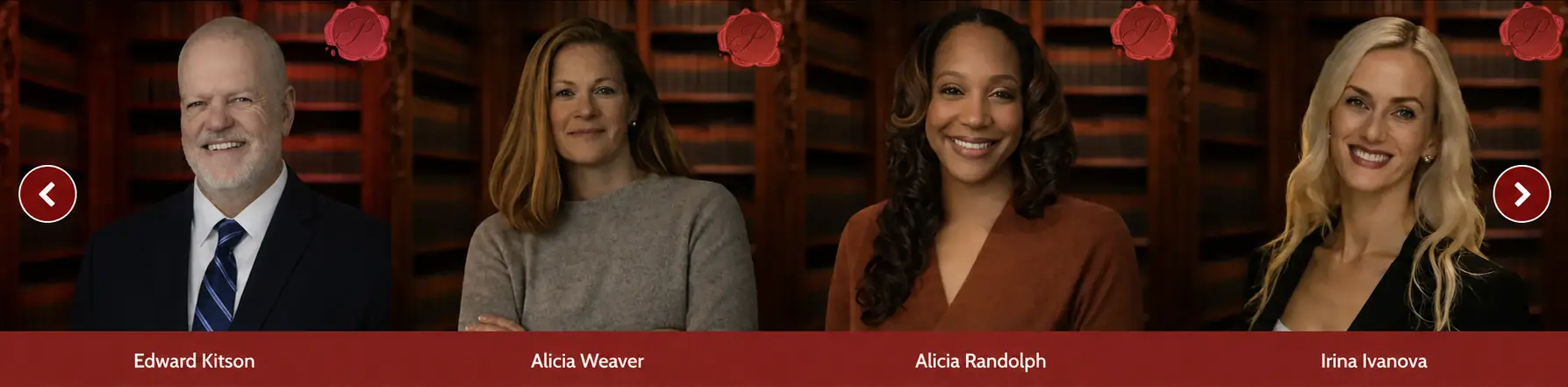
The appraisers you work with are in-house W-2 employees of Prestige Estate Services, not independent contractors.
Our team brings knowledge of personal property to the questions clients face. We review the kinds of items in your project and the skills needed to appraise them. Then we explain what your report will cover. Formal appraisal work follows the Uniform Standards of Professional Appraisal Practice, or USPAP. These standards guide the appraiser’s conduct, research, and written work. They provide a framework for reaching sound conclusions. Our aim is to support each value with evidence and explain it clearly to the people who will use the report. Every formal report receives an internal quality review before delivery. Appraisers in our review department hold the ISA CAPP designation.
Make older records easier to follow
An old family list may describe a piece differently from the name you use today. Send the original list with your notes rather than rewriting it from memory. If possible, connect each unclear entry to a photograph. For example, a note saying “blue cabinet in the dining room” can help us find the object while leaving its maker and date open for research.
Also flag entries you cannot match to a current item. You do not need to resolve every gap before making an inquiry. We can discuss which records may help the appraisal and what needs a closer look. As a result, the record keeps useful history without turning a family description into a confirmed fact.
Personal Property Valuation in Pasadena
Personal Property Appraisals in Pasadena
What will a personal property appraisal tell me?
A personal property appraisal gives you a researched opinion of what your belongings are worth for a stated purpose. Prestige Estate Services appraises art, antiques, furniture, collections, and other household objects in Pasadena. For a formal project, we explain the values in a written report. You and the other named readers can use it for the decision we agree the appraisal will address.

Start with the decision you need to make
Your reason for seeking personal property valuation guides our work. For example, you may want a record of your collection for insurance or need values for an estate attorney. You may also want to understand the values involved when a family divides inherited belongings. Once we know that purpose, we can decide which objects to examine and which market to research. It also tells us what the report must explain.
After discussing your needs, the appraiser examines the belongings and reviews the records you have. Research continues after that visit. We look for market evidence that helps explain the value of your items. We also assess differences between your property and the pieces used for comparison. The report connects that evidence to the values, so readers can follow how we reached them.
Our personal property appraisal services can bring selected pieces or a whole household into one report. Readers need to be able to match each entry to the object it describes. For this reason, clear names, descriptions, and item references help them do that. A team biography describes an approach to identifying and organizing mixed personal property. With a well-organized record, the reader can find a familiar belonging and then review the research that supports its value.
Tangible Personal Property Appraisals in Pasadena
Which belongings count as tangible personal property?
A tangible personal property appraisal covers physical belongings. Examples include paintings, chairs, silver, decorative objects, jewelry, and equipment. These are the things Prestige evaluates. Your request may cover one type of item, a collection, or the mixed contents of a home. We discuss what you have before deciding what the project should include.

Define the physical property in the report
You do not need special terms to request a household contents appraisal in Pasadena. “Several framed works and the dining room furniture” gives us a useful place to start. From there, we can discuss whether to include all the pieces in those groups or just the ones you name.
Once we agree which pieces to include, we describe them so readers know what each value covers. For artwork, the medium and size may help set one piece apart from another. Similarly, for furniture, the maker, materials, and form may be useful. These details connect the values to the right objects, even when several belongings look much alike.
Our tangible personal property appraisal process can cover everyday furnishings and pieces that need more specialized research within one project. Different kinds of property call for different knowledge. That does not mean each belonging needs the same level of detail in the report. Tell us whether you want to include the whole home or only a few pieces. We can agree on that scope before we begin the appraisal.
Fair Market Value Appraisals in Pasadena
How is fair market value different from a purchase price?
A fair market value appraisal estimates the price in a willing, informed sale where neither side is forced to act. A receipt tells you what someone paid in one past sale. Prestige studies the market and the features of your property to reach a supported value. That value applies to the date your appraisal requires.

Explain the market behind the figure
For Pasadena belongings, the appraiser studies comparable sales: sales of similar objects that help explain your property’s value. A close match in appearance is not enough. Maker, materials, size, condition, and quality can all matter. We also consider the market in which the sale took place. Therefore, an object with a similar title or photograph may still be a poor comparison.
An asking price and a completed sale tell us different things. One shows what a seller hopes to receive; the other records an agreed price. In fair market valuation, we review what the evidence actually shows before using it. The report then explains how that research relates to your belongings, giving readers a clear path from the market evidence to the value.
Insurance replacement figures may differ from fair market value because replacing an item can involve a different market and valuation question. Our personal property valuation work identifies the appropriate basis before developing values. Tell us how the report will be used; we can explain the relevant type of value in plain language before the work begins.
For executors, trustees, attorneys and CPAs
Estate Tax, Form 706 and Date-of-Death Personal Property Appraisals in Pasadena
Estate Tax Appraisers in Pasadena
How can Prestige help when an estate adviser requests contents values?
An estate tax appraisal documents the personal property and explains its values for the estate’s tax needs. The executor and adviser identify that purpose with us. Our work gives the estate’s team researched values for the belongings. This adds useful detail where the estate records might otherwise say only “household contents.”
Prepare the estate’s supporting records
An executor may be responsible for the property without knowing much about each object. Start by telling us the kinds of belongings involved and sharing the adviser’s request. Our estate tax appraisers help turn that information into a clear plan. It will identify what we need to value and who will use the result. You can review that plan before the work begins.
A Pasadena home may contain everyday furniture, pieces of special interest, and established collections. We consider how to present each type of property in the report. Sensible grouping can make a long contents report easier to read. In contrast, items needing their own research can have separate entries and more explanation. This allows the executor to follow a varied household without giving every object the same treatment.
Our report brings the property descriptions, relevant date, value conclusions, and supporting explanation together. The executor can provide that valuation record to the estate’s tax professional, who handles the return and determines the estate’s filing responsibilities. The appraisal supplies the personal property analysis within that larger process.
IRS-Qualified Estate Tax Appraisers for Form 706 in Pasadena
What does the tax preparer need from a Form 706 appraisal?
A Form 706 appraisal gives the estate’s tax preparer clear personal property values and the research behind them. Our IRS-qualified estate tax appraisers plan USPAP-compliant reports around the belongings, valuation date, and reporting instructions. The preparer can then match each conclusion to the property the estate is reporting. This makes the appraisal useful as supporting evidence for the federal estate-tax return.
Connect the appraisal to the filing request
Form 706 is the federal estate-tax return. An appraisal is supporting valuation work, rather than preparation of the return itself. The IRS instructions for Form 706 describe the federal reporting framework; the estate’s tax adviser determines how it applies to the particular estate.
For Pasadena estate belongings, the preparer must know which pieces each value covers. A list that says only “artwork” may leave that question open. We can identify single pieces or suitable groups in the report. The preparer can then follow each value back to the entries it covers and ask about a specific piece when needed.
IRS-qualified estate tax appraisers need skills that fit the subject and assignment. Prestige considers the property expertise and applicable tax-appraisal requirements when reviewing the engagement. “IRS-qualified” concerns relevant requirements; it does not mean that the IRS has endorsed the firm or promised to accept every conclusion.
An estate file may already contain several figures for the same belonging. For example, an old insurance schedule, a purchase receipt, and an estate appraisal can each show a different amount. They may answer different questions or apply to different dates. Our report states its date and type of value so the preparer knows what the figures mean. That helps the adviser choose useful evidence without treating every number in the file as the same kind of value.
Date-of-Death Personal Property Appraisals in Pasadena
Can you appraise an item as of the date someone died?
Yes. A date-of-death appraisal gives an opinion of value for the day someone died, even if the work starts later. Prestige reviews the property records and market evidence for that earlier time. We then explain what the included belongings were worth on the requested date. The report also makes clear what information supports that conclusion.
Research the right point in time
Three dates may appear in the report: the date the value applies to, the inspection date, and the date we finish the report. Each has a different role. We state the date of value clearly. That way, a reader understands how examining an object now can help support a conclusion about what it was worth earlier.
Suppose a sculpture from a Pasadena home sells months after a death, and the estate later needs a retrospective appraisal. In this example, the sale could provide useful evidence. Its price, however, records a later event. Prestige would study how that sale relates to the earlier market and the sculpture’s features before reaching an opinion for the requested date.
The report in that example would explain why the later sale is useful to the earlier appraisal. We would consider the terms of the sale and other evidence instead of assuming its price gives the answer. The adviser could then review the reasons behind the historical value. The receipt would still record what happened later. In contrast, the appraisal would answer the estate’s separate question about what the sculpture was worth at the earlier date.
Probate and Estate Inventories in Pasadena
Probate Appraisals in Pasadena
Where does a personal property appraisal fit into probate?
A probate appraisal can provide researched personal property values for the task your estate representative or attorney identifies. Prestige records the belongings included in the work and studies what they are worth. The estate’s team can use that evidence for the requested inventory or related task. We first confirm how the report needs to fit into that work.
Clarify how the report will help
Probate administration and federal estate-tax reporting are separate matters. For instance, an estate in Pasadena may need help documenting contents without the tax-reporting work described above. We ask what the representative needs to accomplish so the report addresses the appropriate task.
California also has a probate-referee process for appraising many noncash assets in formal probate. Your attorney should confirm the required role and any separate personal property appraisal support before commissioning work. This helps identify a useful engagement rather than treating a private report as an automatic replacement for that process.
Once counsel explains the help needed, Prestige can plan the requested probate valuation. Clear descriptions separate individual objects from groups of items. The report links their values to the requested date and use, then explains the research. The representative and attorney can discuss the contents with entries they both recognize, rather than relying on a broad list.
When contacting Prestige, describe the belongings and share the attorney’s request. We can discuss the personal property work that fits those instructions and the report the identified readers will receive. California’s State Controller explains the probate referee’s role.
Estate Inventory and Valuation Reports in Pasadena
Can you create an organized record of an estate’s belongings?
Yes. Prestige can prepare an estate inventory for Pasadena families, with valuation work included when the assignment calls for it. An inventory organizes what is present; a valuation adds researched opinions of what the included property is worth. We establish which result the estate needs before planning the work.

Make each entry easy to follow
A useful contents inventory helps everyone recognize and discuss the same objects. Depending on the agreed work, entries may include descriptions, counts, photographs, and item numbers. We can arrange them by room, type of property, or collection. That can make a large household easier to review without having to identify each piece again whenever someone has a question.
The record can use more than one approach within the same project. For example, a numbered list may work well for single pieces in an art collection. In contrast, a group entry may be better for related furnishings. We choose a structure that fits the belongings and the representative’s task. The goal is a finished record that is easy to follow and use.
If the estate needs values, we research them for the agreed purpose and link each conclusion to its entry. Think about the next decision the estate faces. Do you need to list the belongings, compare family choices, or provide a formal appraisal to an adviser? Your answer helps define the right work. Photographs and a clear list can provide a useful record of the contents. By themselves, though, they do not explain market value or supply the research a formal appraisal requires.
Charitable Donation, Insurance and Loss Appraisals in Pasadena
Charitable Donation Appraisals in Pasadena
What will Prestige provide for a charitable donation appraisal?
A charitable donation appraisal explains the fair market value of the goods a Pasadena donor plans to give. Prestige prepares a qualified appraisal when the agreed gift requires one. The written report identifies the donated items and explains the findings. You and your tax adviser can use it alongside the other gift records.
Keep the gift and its records aligned
We begin with the property you plan to give and the adviser’s instructions. Donating a whole collection is different from giving only selected works within it. We need to make clear which objects the gift includes. That lets the appraisal address the actual donation and keeps each value tied to the right piece or group.
Our charitable donation appraisers examine the features that matter to the donated items and study their market. For art and antiques, these may include the artist or maker, medium, size, quality, and condition. We research values for the required date. An old insurance figure or the price you once paid may provide background, but neither replaces that research.
What does Form 8283 do?
The appraisal and Form 8283 are separate documents. The form records information required for applicable noncash contributions; it does not replace the full appraisal when one is required. We address the appraiser’s applicable declaration as part of the agreed engagement, while the adviser determines eligibility and the deductible amount.
Share your expected donation date and the adviser’s instructions before arranging the appraisal. We can then discuss when to examine the items and what date the values must address. If you have already made the gift, tell us when it took place. That date helps us assess the proposed work in light of the actual donation. The IRS guide to determining donated property value explains the valuation framework. Your tax adviser applies the gift requirements to your case.
Hypothetical example: separating appraised value from tax advice
An Arcadia donor might ask whether the appraised value of a collection of historical medals would be the amount claimed on a tax return. The appraisal could establish fair market value for the agreed donation purpose. However, that finding alone would not decide the donor’s allowable deduction.
The charitable donation appraisal would identify the property and explain the market support. The donor could give that report and relevant acquisition records to the tax adviser. Because the adviser must assess the donor’s circumstances and applicable requirements, the report would serve as valuation evidence rather than a promise of a particular tax benefit.
Insurance Appraisals in Pasadena
How does an appraisal help me insure a work of art?
An insurance appraisal describes the artwork in your Pasadena collection and develops the value needed for your stated insurance purpose. Prestige prepares a written report for your insurance professional to review. You can use it to discuss coverage or a list of separately insured items. Before starting, we confirm what type of value and report your insurance needs require.

Give the insurer clear item details
Suppose you have just bought a work of art and want to list it separately on your policy. The receipt records the purchase. Your insurance question may instead concern what it would cost to find a similar replacement. In this example, Prestige would examine the work and study the replacement market that fits the agreed appraisal.
For an insurance replacement valuation, the report connects the artwork’s description to its value and the research behind it. Your insurance professional can review that evidence when deciding how to list the item in the policy. A clear description matters when you own several works. It helps distinguish the piece being appraised from others that a broad label would not tell apart.
Tell us whether you are adding one work to an existing insurance schedule or reviewing other listed pieces too. That helps us decide what needs appraisal before we begin. You can then compare the proposed scope with the collection you want covered. Your insurer sets coverage and policy terms. Prestige supplies the valuation report for that discussion.
Hypothetical example: interpreting an overseas purchase receipt
A Pasadena owner might have bought a decorative folding fan abroad and kept a receipt in a foreign currency. An insurance agent could now request a replacement value stated in dollars. Simply converting the old receipt would not necessarily answer that current replacement question.
An insurance appraisal could identify the fan and research the replacement market appropriate to the assignment. The receipt could help document the purchase, while relevant market evidence would support the new value. Therefore, the report would distinguish a currency conversion from an appraisal conclusion. The insurance professional could then review that supported value when discussing the item’s coverage.
Damage and Loss Appraisals in Pasadena
What can an appraisal explain after an object is damaged or lost?
A damage and loss appraisal can explain the value of affected belongings for a specific claim question. Prestige reviews the Pasadena property and available records, then researches the relevant values. The client and claim professionals can use our report when assessing the loss.
Identify what the evidence can show
First, we need to establish what value the claim requires. An object’s worth before an event may differ from its worth after damage. Those are separate questions, even when they concern the same piece. The report must use the date and condition that fit the request, so readers know which figure they are reviewing.
If our damage appraisers can examine the item, its current condition helps guide the work. If it is missing or destroyed, earlier photographs, descriptions, and appraisals may help show what was there. We review whether those records are enough to support the requested opinion. The report explains the evidence used and how it supports the value we reach.
For damaged belongings, you may also have a repair proposal. That proposal describes the work needed to restore an object and its cost. The appraisal answers the value question agreed for the project. When both amounts matter to the claim, we explain their different roles. Readers can then understand how each figure helps them assess the loss.
Our contribution is the personal property valuation. The insurer and appropriate claim professionals address coverage and payment. Sharing their request at the outset helps Prestige prepare documentation that responds to the question they actually need answered.
Divorce, Distribution and Appraisal Review in Pasadena
Divorce & Marital Asset Appraisals in Pasadena
How can an appraisal help spouses discuss the value of belongings?
A divorce appraisal gives spouses impartial values for their Pasadena belongings. We describe the belongings, research their values using the required date and basis, and explain the findings in a report. Spouses and their attorneys can use that shared record during settlement talks, mediation, or litigation. The report gives them clear evidence about the property’s value for the agreed purpose.
Use consistent values for the discussion
This work helps when the financial discussion needs a consistent starting point. One spouse may recall what an item cost. The other may have found a resale listing. Those figures can answer different questions. A marital asset appraisal defines the value needed and researches the included belongings on that basis. Both sides can then discuss the same type of value.
A clear property list keeps that discussion focused. If an entry covers a set, each party should know which pieces belong to it. If it covers one object, they need enough detail to recognize that object. Prestige agrees on the belongings to include and records their identifying features. Counsel can then match a questioned value or proposed settlement to the property the report actually covers.
We study the belongings and their market without favoring either party’s desired settlement. The report explains why the evidence supports each value. Its readers can review those reasons, as well as the final figure. That gives counsel a useful basis for questions about a specific piece, the comparisons used, or the date the value applies to.
Legal classification and the final division remain matters for the parties, counsel, and the applicable process. The appraisal contributes the valuation evidence they need. Let us know who will rely on the report and provide any written instructions concerning the value date or basis.
Equitable Distribution Appraisers in Pasadena
How can heirs compare the belongings they hope to receive?
An equitable distribution appraisal gives heirs researched values for the belongings they may receive. Prestige identifies the included Pasadena property and prepares a consistent record of its worth. Families and advisers can use that record to compare proposed choices. It can also support discussions about exchanges or other agreed ways to account for differences in value.

Make the property choices clear
An inheritance appraisal addresses the financial part of a family’s discussion. A person’s attachment to a belonging still matters, but market value does not measure that feeling. Relatives can respect the meaning an object holds for someone while reviewing its appraised worth. The report helps them keep those two questions clear as they consider their choices.
Clear item references help family members compare the same things. An entry should show whether it covers one piece, a set, or a suitable group. That lets a proposed choice point back to property everyone can recognize. Good organization can reduce confusion when relatives use a general label for different objects in the same home.
We can discuss the valuation needed even when a family has not decided on the final distribution. Beginning with the property and the purpose allows the appraisal to inform that decision. The final allocation follows the estate documents and the family’s applicable process, with advice from the responsible professionals.
Litigation Appraisal Review in Pasadena
Can Prestige review the reasoning in an existing appraisal?
Yes. An appraisal review examines work another appraiser has already performed. Prestige can assess the research, methods, reasoning, and reporting within a personal property appraisal. We agree on the questions the review will address before starting. We then explain the findings to clients and counsel in Pasadena.
Assess the support for the findings
A review appraiser may ask whether the report clearly identifies the property and uses research that fits it. It may also examine whether the reasoning supports the stated values. The agreed task can cover the whole report or focus on one issue. Knowing counsel’s question helps us decide which parts of the appraisal need review.
Different values do not always mean one appraisal is wrong. Two reports may use different dates, types of value, or lists of property. We check those details first. That helps us explain whether the gap comes from the questions each report answers or from the research and reasoning used to reach their conclusions.
Useful findings point to the part of the reasoning that needs attention. A sale used for comparison might involve another material, for example. Or it may lack enough detail to show why it fits the appraised object. Within the agreed review, Prestige can explain why that matters. Counsel can then ask a focused question about the evidence instead of challenging only the final amount.
Reviewing a report does not automatically include preparing a new appraisal with a new value opinion. If that additional work is needed, we define it expressly. Tell us what counsel needs to learn from the existing appraisal so the proposed review can answer the right questions.
Restricted Appraisal Reports in Pasadena
When might a Restricted Appraisal Report be appropriate?
A Restricted Appraisal Report may fit a project whose findings can be explained in a concise formal report. For a Pasadena request, Prestige considers the decision, belongings, and named readers before suggesting this option. It remains a formal appraisal with a defined use. We discuss what those readers need to know so you understand whether shorter reporting suits the work.
Consider what each reader needs
When choosing a restricted personal property appraisal report, the amount of explanation a reader needs matters. A concise report may fit a clearly defined use, while another assignment calls for fuller reporting so the intended readers can understand the analysis. We discuss those needs before choosing the format.
Shorter reporting does not mean that the appraiser can skip the work needed to develop a supported value. Property identification, relevant research, and analysis still have to fit the assignment. The distinction concerns how the results are communicated under the applicable requirements.
The report identifies the property and relevant valuation information and explains applicable limitations. It should be commissioned with a clear understanding of who is expected to rely on it. If you anticipate sharing the result with advisers or another organization, tell us while the reporting choice is being considered.
Hypothetical example: clarifying a request for a private report
A South Pasadena collector might request a Restricted Appraisal Report because they want to limit access to an inventory of vintage fishing reels. The word “restricted” could lead them to assume the format alone settles who receives the document. That concern would need a separate discussion.
When considering a Restricted Appraisal Report, Prestige would clarify the intended use, intended users and explanation the assignment requires. The collector could also explain concerns about delivery and sharing before agreeing to the work. Consequently, the reporting choice and the handling expectations could be addressed clearly, without treating a shorter document as an automatic privacy arrangement.
Government and Business Asset Appraisals in Pasadena
Government & Seized Asset Appraisals in Pasadena
Can you appraise personal property held by a government agency?
A government property appraisal in Pasadena can cover suitable movable assets held by a public agency. The work may support an agency’s financial records, asset management, or plans for disposal. We agree on the property and value question with the agency contact. Then we study the relevant market and provide a written report for the stated purpose.
Plan around the public body’s request
An agency may have a varied asset list or need help with one kind of property. Clear descriptions link each value to the assets the agency manages. Counts, model details, and condition can all matter. When several entries look alike, these details help staff distinguish the items and understand what each conclusion in the report covers.
A government asset appraisal also needs a clear statement of the decision the agency faces. A figure used to plan disposal may answer a different question from one used in financial reporting. Establishing that purpose first guides our market research. It also helps us explain the values clearly to the staff who will use the finished report.
We arrange the report so agency staff can find a value and see which asset or group it covers. A reviewer can then read the market evidence for that entry. This is more useful than an unexplained total when assets have different models, counts, or levels of wear. The report supplies those values and the reasons behind them for the agency’s own review and decision.
Furniture, Fixtures and Equipment Appraisals in Pasadena
What does an FF&E appraisal value for a business?
An FF&E appraisal values the furniture, fixtures, and equipment included in a business or institutional project. Prestige examines the specified physical assets and researches values for their agreed use. The report helps with decisions about those belongings. It does not value the whole operating business, so the scope must make clear which assets the work covers.
Check the actual assets and their condition
For a Pasadena project, we start with your asset list and the decision it needs to support. You may need values for office furniture, removable fixtures, or equipment used in the business. We identify which categories to include. We also discuss what details will help us tell the assets apart and make clear which pieces the report will cover.
For an equipment appraisal, the model and its condition may matter more than a broad name. For furniture, the maker, quality, layout, and use can help guide the research. We study the market that fits those assets and the required type of value. The report explains the important details, so the reader can see why the comparisons fit.
An existing asset schedule may already contain figures, but those amounts can reflect acquisition and accounting treatment. When the requested appraisal concerns market value, the appraiser needs evidence from the relevant market. Explaining the basis of the new conclusions helps the owner understand how they differ from the accounting record.
As a result, the finished report links the included assets to their values and supporting research. An owner or adviser can use it for the agreed sale, planning, or reporting decision. When requesting the work, share the asset list and explain that purpose together. This gives us a clear starting point for discussing both the property and the report you need.
Art, Antique and Furniture Appraisals in Pasadena
Art Appraisals in Pasadena
How do you research the value of a painting or other artwork?
For an art appraisal, Prestige examines the work’s key features and studies the market that fits your purpose. Artist, medium, size, condition, and other important details guide that research. The report then connects the piece to a supported value. It explains enough about the work and the evidence for readers to understand the conclusion.
Follow the work’s identifying details
In particular, the medium tells us how an artwork was made. A painting, drawing, photograph, and print can each need different comparisons, even if they show the same subject. Clear descriptions help us choose evidence that fits the actual work. That is why identifying the medium matters before using another image that simply looks similar as a comparison.
For a fine art appraisal, we also study the market for the artist or type of work. A useful sale helps explain where your piece fits within that market. Size, quality, date, and condition can affect how closely two works compare. The report should make those connections clear, so the reader understands why the evidence is useful to the value opinion.
Our team includes an appraiser with studio-art education, museum cataloging, and art-market experience. Those forms of experience support careful description and market analysis. The expertise required for a particular engagement is considered when the property is reviewed.
You may commission this work for one artwork or a collection in Pasadena, with reporting suited to the purpose you describe. For insurance, that means valuation documentation your insurance professional can review when discussing coverage for the identified works. If an attribution question requires additional specialist evidence, we can discuss that need while planning the appraisal.
Antique Appraisals in Pasadena
What do you examine when appraising an antique?
For an antique appraisal, Prestige examines materials, construction, maker details, design, and condition. These features guide the search for market evidence that fits the object. We then develop a value for your agreed purpose. The report describes the antique and explains the research, so you can follow how its particular features relate to the value.
Separate the history from assumptions
An antique appraiser uses the object’s category to plan the examination. For example, silver may have marks that identify its maker or material; furniture may reveal useful construction details. A team biography outlines experience with silver identification and research, illustrating why knowledge of a property category contributes to useful appraisal work.
Suppose a client asks about two candlesticks that have stood together for years. In this example, Prestige could compare their size, marks, design, and construction to understand the relationship between them. An original pair may need different market research from two pieces brought together later. The report would explain the property as it actually is. The client would not have to rely only on the way the pieces are displayed.
Wear, repairs, and later changes can also affect which sales make useful comparisons. We explain why those details matter to the requested value, so readers can follow how the research fits the antique. For estate work in Pasadena, the executor can share the report with the adviser. Its descriptions, values, and reasoning provide a clear reference for the included pieces.
Hypothetical example: considering treatment before an appraisal
A San Marino collector might plan to repaint a detached copper weather vane displayed on a stand. Its uneven surface could look untidy, and the owner might assume a fresh finish would make it more valuable. However, treatment could change features that help explain the object’s age, history and condition.
Before making that change, the collector could request an antique appraisal of the object as it stands. Prestige could examine the surface and available records, then research comparisons that reflect its actual condition. If treatment advice were needed, that question could be directed to a suitable conservator.
The report would explain the value evidence without assuming that every old finish is desirable or every repair reduces value. Consequently, the owner could consider the appraisal alongside separate care advice before deciding what to do. A cosmetic improvement and an increase in market value would remain different questions, each needing its own support.
Furniture Appraisals in Pasadena
Do furniture appraisals include modern and custom pieces?
Yes. Furniture appraisals can include modern, designer, custom, vintage, and antique pieces. Prestige examines the furnishings you include and researches the markets that fit their features and the value needed. A formal report explains which pieces we appraised and what supports their values. You can use that record for the purpose agreed when planning the work.
Match comparisons to the actual piece
A useful description says more than “table” or “chair.” Maker, design, materials, size, and construction can help distinguish one furnishing from another. Those details guide our research into its value. They also help a reader match a report entry to the right piece, especially when the home contains several items of the same kind.
How do features and market evidence affect furniture value?
For furniture valuation, pieces from different periods may need different sales comparisons, even in the same room. For example, a documented designer piece and an unbranded item may appeal to different buyers. We consider each piece’s features when studying its market. That avoids treating all the furnishings in a room as though they have the same history or market position.
The team includes an appraiser whose interior-design education contributes to understanding furnishings and materials. Knowing those materials helps an appraiser explain how a piece is made. Market research then addresses what that furnishing is worth for your purpose. Both parts matter. A clear description points toward useful comparisons, and those comparisons help support the value in the report. Readers can follow that reasoning from the physical piece to its place in the market.
Whether your Pasadena request covers selected pieces or furniture throughout a home, we ask how you will use the results. Estate and insurance reports may need different types of value. Your purpose guides both the market we study and the explanation in the report. That keeps the research focused on the decision the furniture values must help you make.
Online Guidance and Appraisal Fees in Pasadena
Online Photo Appraisal Guidance in Pasadena
Can I get an informal opinion about an item from photographs?
Yes. Prestige’s Online Photo Appraisal service gives Pasadena owners informal written guidance based on the photographs and details they send. An appraiser reviews the item and emails an estimated value or range, useful context, and identification where the evidence supports it. This can suit a general question about an item that is appropriate for the service.
Understand the informal result
Clear photographs help the appraiser see what you are asking about. Include a view of the whole item and close views of useful details, such as a mark or label. Add its dimensions and a short description. The product page explains the current steps for submitting the item and what to include with your request.
This informal photo appraisal guidance can help you learn about the item and decide whether further work would be useful. It is separate from a formal report for tax, court, insurance, probate, or donation purposes. If an adviser has asked you for formal documentation, tell our team before ordering informal guidance.
If you need a formal report, a remote appraisal may be an option when photographs and other supplied information adequately support the work. That is a separate engagement with its own defined purpose and reporting requirements. Photographs are a way to gather information for either service; the kind of result you need determines which service to discuss.
Personal Property Appraisal Fees in Pasadena
What determines the fee for my appraisal project?
Personal property appraisal fees in Pasadena depend on the work your property and intended use require. Prestige reviews the size of the assignment, the categories involved, the research needed, and the reporting expectations before discussing an estimate. Current pricing information is maintained on our Appraisal Fee Schedule.
Account for research as well as the visit
A visit to examine the items, when needed, is one part of a formal appraisal. The appraiser may also need to identify pieces, find useful market evidence, compare differences, and write the report. Knowing these stages helps explain the appraisal cost. The estimate concerns the full project, including work that continues after an on-site appointment ends.
An item count helps us plan, but it cannot describe all the work on its own. For instance, a group of clearly identified furnishings may need less research than a smaller collection of unusual pieces. We consider the belongings and the report’s purpose together. That gives a better picture of the work than counting items without knowing what they are.
To request an estimate, describe what you want appraised, where it is, and what you need the report to help you do. A few sample photographs can help us understand the property. Also include any instructions from your adviser. We can then explain the proposed scope of work and how to take the next step.
Before confirming the project, ask which property and reporting work the estimate covers. You can then check that the proposed service answers your request. If the scope changes, we pause to discuss the added work, cost and timing. We obtain your written approval before proceeding.
Choosing an Appraiser for Property in Pasadena
Choose an appraiser who can explain the property knowledge and report experience needed for your request. Ask what the work includes and how you will receive the results. Also ask what information will help plan the project. Clear answers let you compare the proposed service with your own needs before deciding how to proceed.
Personal Property Appraisers Near Me in Pasadena
Our personal property appraisal service begins with the belongings involved and the decision ahead. A short description helps us see whether you want general item guidance or need a formal report. You can explain that need in everyday language. Our team will discuss the appraisal terms that matter and what kind of work would address your request.
IRS-Qualified Form 706 and Estate Tax Appraisers Near Me in Pasadena
For estate-tax appraisal support, share the preparer’s request and describe the belongings involved. We review the property knowledge, date of value, and report details needed for the work. This discussion helps the executor understand what the appraisal will contribute to the estate’s tax reporting. We explain that role before you confirm the project, so the scope is clear.
Documentation for Attorneys, CPAs and Insurers
A professional using the report should be able to find a belonging, its value, and the reasons behind it. Prestige arranges the agreed descriptions, date of value, value basis, and research to make those links clear. Your adviser may also have an item list in use. If the appraisal needs to refer to it, share the list while we plan. We can discuss how readers will match our entries to the records they already have.
Gather any inventory, purchase records, earlier appraisal, and photographs you can readily find. They help us identify the belongings and plan the research. You do not need to investigate every object yourself before calling. Include written instructions from the person requesting the report. They help the appraiser understand how the records you have relate to the work needed.
Tell us who will rely on the completed report and what decision is approaching. The purpose helps determine the kind of value to research; the intended readers help determine the explanation the report needs. Include any deadline before the engagement is arranged so we can discuss the proposed examination, research, and reporting in that context.
Report delivery, timing and support
We deliver formal reports as digital PDFs tailored to the task. They explain the property, value reasoning, research, assumptions and limits, with photos where included. Appraiser qualifications and a signed certification appear as applicable. As a result, the intended reader can follow both the findings and the limits of the work.
Your assigned appraiser is your main contact, with support from the Head of Appraisals and office team. Routine questions about the report are included. Share any unclear entry with that contact so we can address it.
Most formal projects take two to four weeks after intake, depending on the work. Share the report deadline early and ask us to confirm the start date. Expedited timing requires a written commitment, so discuss a shorter deadline before making plans around it.
Choose the Appraisal Approach That Fits Your Purpose
An on-site inspection allows the appraiser to examine the objects in person. When photographs and other information adequately support the assignment, a formal remote appraisal may also be suitable. The remote and in-person appraisal comparison explains how those methods differ. If you have a general item question, informal Online Photo Appraisal guidance offers a separate product for that purpose.
Areas Served Around Pasadena
Pasadena clients can ask us about selected belongings, a collection, or an appraisal of household contents. We also serve the nearby communities named in the opening. Tell us where the items are, even if you are arranging the work from another city. That helps us discuss the examination at the place where the property is kept.
If the project covers more than one address, briefly describe the belongings at each place. Therefore, the plan should identify both the locations and the property included. We can discuss those details together before arranging the work. Everyone involved can then understand what the appraisal covers and which belongings the appraiser will need to examine.
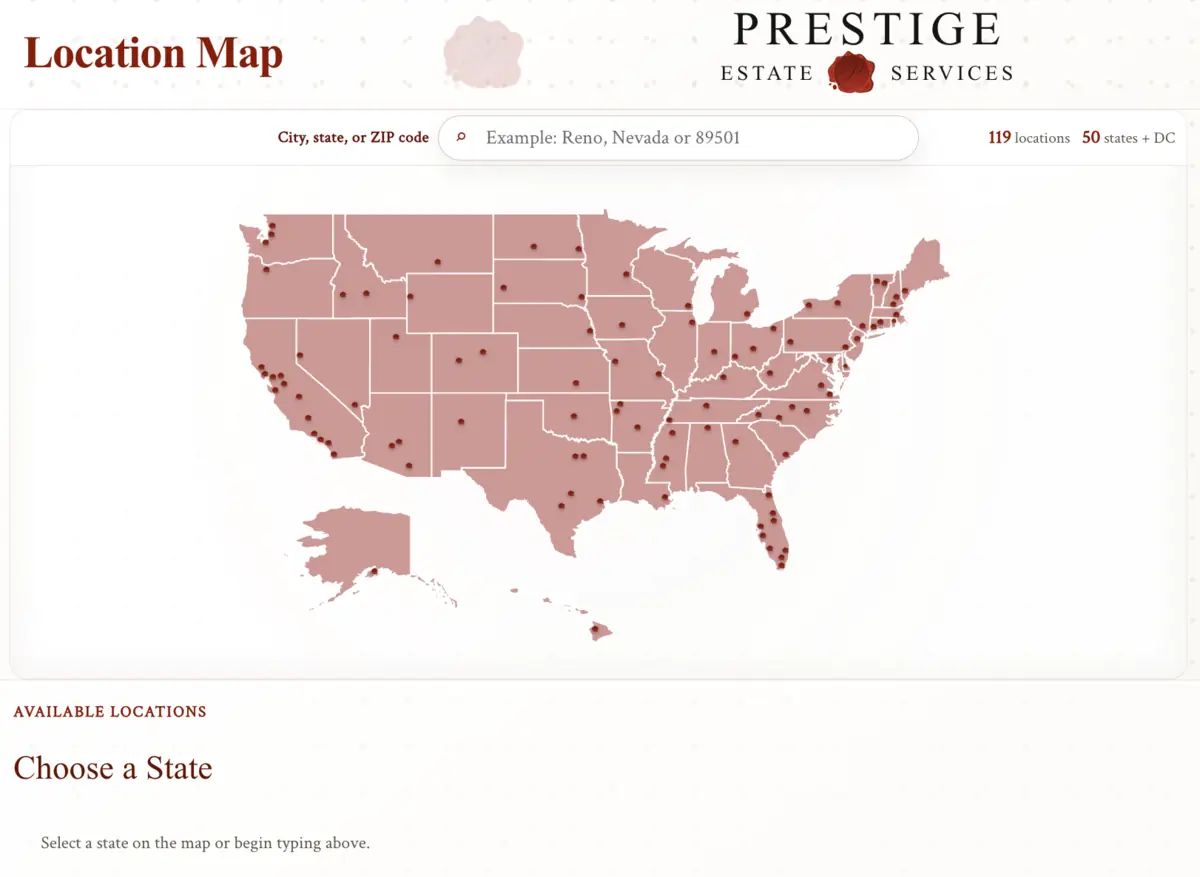
For belongings elsewhere, our Locations page offers a starting point for discussing coverage. In your first message, tell us about the items and the decision you need to make. Our team can use that information to explain which appraisal service may fit. You do not need a detailed catalog to begin that conversation.
Personal Property Appraisal Questions in Pasadena
Property and Coverage
Getting Started With Your Appraisal
Can you appraise a single painting or antique?
Yes. A formal appraisal can concern an individual object when that fits your purpose and the proposed engagement. Tell us about the piece, why you need the appraisal, and who needs the result. We can then explain the appropriate report. If you only want general item information, we can discuss informal photo guidance.
Do I need to know the maker before contacting you?
No. Describe the belongings in everyday words and share clear photographs if you have them. Identifying the property is part of the appraisal work. Prestige will review what you have and explain which details we need to examine or research. You do not need to know the maker before asking us about the project.
Can an estate appraisal cover property at more than one address?
Yes, when the agreed project includes the belongings at those addresses. Mention each location and the types of property there during your first discussion with us. We can review the scope and explain how the report will organize the items. That helps you understand what the appraisal covers before the work is arranged.
Property Records and Access
Do you provide real estate appraisals?
We do not provide real estate appraisals. Our work covers personal property such as art, antiques, furniture, collections, and suitable physical business assets. Those are the belongings in a home or business. If you need a value for the house or land, you will need a professional who appraises real property.
Preparation, Reports and Fees
Should I have an antique restored before it is appraised?
Tell us what you are considering before arranging restoration for appraisal purposes. An appraisal can address the object as it is, including the condition and any prior alterations that matter to its value. If you also need advice about caring for or restoring it, that is a separate conservation question to discuss.
Does a private appraisal replace California’s probate-referee process?
A private appraisal does not automatically replace that process. Ask the estate attorney which probate valuation procedure applies and what separate support is needed. Prestige can discuss a personal property engagement that fits the attorney’s instructions.
Where can I find current appraisal pricing?
Visit the Appraisal Fee Schedule for current pricing. For a project estimate, send a description of the belongings and explain why you need the report. We can then consider the items alongside the research and writing the work requires. Those details help us discuss an estimate for the full project, rather than only an item count.
Is Online Photo Appraisal guidance suitable for a donation filing?
The Online Photo Appraisal product is informal guidance, rather than a formal charitable-donation report. If your tax adviser requests a qualified appraisal, contact Prestige about that specific assignment so the property, date, qualifications, and reporting requirements can be reviewed.
Discuss Your Pasadena Appraisal
Tell us what you own, where the belongings are, and why you need an appraisal. If an attorney, tax preparer, or insurance professional has asked for a report, share that request. Prestige will explain the proposed work and what the report can address. We can then help you take the next step toward the values and research you need.
Call (213) 799-8428254 N Lake Ave, Pasadena, CA 91101