Everett Personal Property Appraisers
IRS-Qualified · USPAP-Compliant · North Puget Sound
Everett personal property appraisers at Prestige Estate Services help clients understand what their art, antiques, furnishings and other belongings are worth. We prepare appraisals for estate matters, insurance, charitable donation and family decisions. Tell us what you need to do with the value. We can then explain the research and written report that fit your request. We do not provide real estate appraisals.
Our in-house team handles your appraisal. The team reviews each formal report for quality and appropriate USPAP reporting before delivery.
Jump to Appraisal Services

Planning With Everett Personal Property Appraisers
You can browse by the decision you face or by the belongings you own. An insurance request and an art appraisal may describe the same project. One tells us why you need a value; the other tells us what you need valued. Share both when you contact Prestige, and we can discuss them as parts of one appraisal.
We welcome inquiries from Everett and the nearby cities of Mukilteo, Mill Creek, Lynnwood, Edmonds, Marysville, Lake Stevens, Bothell and Mountlake Terrace. Service also includes Everett’s Northwest and Silver Lake neighborhoods. Let us know where the property is located when you request an appointment.
Meet Our Personal Property Appraisers
Meet Your Personal Property Appraisal Team for Everett, Washington
Our team has experience with art, antiques, furnishings and records of collections and household contents. We look at the skills your property needs as well as the reason for your request. Describe the range of pieces in your home or collection. That helps us assess the right fit before we discuss the appraisal work.
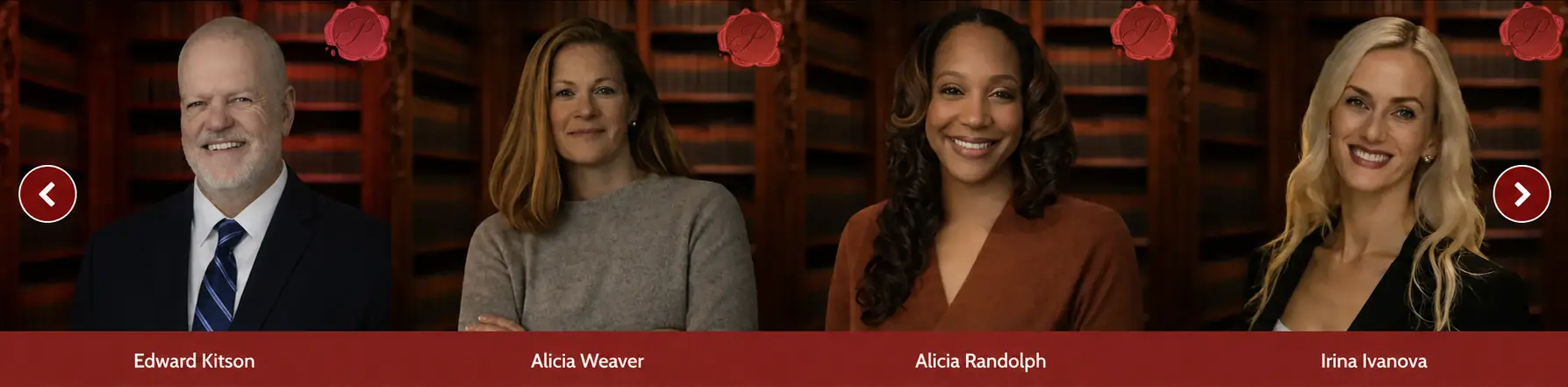
The appraisers you work with are in-house W-2 employees of Prestige Estate Services, not independent contractors.
The linked biographies describe each appraiser’s areas of knowledge. Our personal property appraisal services explain how that knowledge can help with different needs. Read both as you consider your request. The type of property matters, and so does the way you plan to use the report.
Where can we examine your Everett belongings?
Describe the property where it is held now. If furniture is in the home but a collection is in storage, provide both locations and explain who can arrange entry. Keep the photo groups separate so the initial overview shows which objects and records are available at each place.
What if you are arranging the work from elsewhere?
You can send the adviser’s instructions and identify an Everett access contact without knowing every maker or age. Add room views and useful detail photographs where safe. We can then explain what examination and records the task needs, including whether an on-site visit or formal remote approach is suitable.
Everett Appraisal Services
Personal Property Valuation Fundamentals
Personal Property Appraisals for Everett Clients
What does a personal property appraisal tell me?
A personal property appraisal gives Everett clients researched values for specified belongings. Personal property valuation follows the purpose agreed for the project. Prestige Estate Services appraises art, antiques, furniture, collections and other household property, then explains the results in the written report agreed for your project.
People request this work when they need a value they can examine and use. For example, an executor may need to answer an estate adviser’s question. An owner may be reviewing insurance, or a family may need help with inherited belongings. We ask about that need first. It therefore guides the kind of value and written explanation your report should provide.
Details that inform personal property appraisal
Our personal property appraisal service combines a close look at the included objects with market research. We note the features that set a piece apart and find useful comparisons. The report then links its description to a value and explains how we reached that amount. You and your adviser can then see what the opinion covers and what supports it.
You can ask about one important piece, a collection or the contents of an Everett residence. Start with what you need to do with the answer. You do not have to identify a report format or choose between all the services listed here. We can then explain which appraisal work fits that request.
Hypothetical example: understanding what a stated value range does and does not mean
An Everett owner might read a value range for an uncommon collectible as a promise that any sale price will fall within it. A range would express the appraisal conclusion under its stated basis and evidence. It would not automatically be a statistical prediction of every possible transaction.
For a personal property appraisal, we would explain the meaning of any range and the limits of the available support. If the owner needs sale advice or another type of analysis, we would clarify that request separately. The written result could support planning without turning an opinion into a guaranteed price band.
Tangible Personal Property Appraisals in Everett
What does tangible personal property include?
A tangible personal property appraisal covers physical Everett belongings. A household contents appraisal can include paintings, tables, silver and decorative objects. A painting, dining table, silver service or group of decorative objects all fit that term. Prestige focuses on these movable items and suitable equipment. Our tangible personal property appraisal service sets out which items need values and the work involved for each type.
A single room can hold several kinds of property. For example, modern furniture, older decorative pieces and original artwork may all belong in one appraisal. Each type needs its own research. We therefore consider that mix when discussing the skills needed to identify and examine your belongings. One household project can therefore involve several lines of study.
Details that inform tangible personal property appraisal
You also choose what to include: the whole household, a named collection or selected objects. Explain that choice when you request the appraisal. A total only applies to the property listed in the agreed work. Clear descriptions help you see whether it covers one collection or all the contents around it. That distinction therefore matters when you use the result.
Fair Market Value Appraisals in Everett
How is fair market value different from an asking price?
A fair market value appraisal studies an informed, willing exchange relevant to Everett property. Fair market valuation assumes neither party must act under compulsion. An advertised asking price shows what a seller hopes to receive. Prestige researches the market evidence needed to develop an opinion of fair market value for the requested date.
Suppose you find several ads for an item like yours, but the prices vary widely. Which examples sold, and how closely do they match your piece? We then study relevant sales and other market information to answer those questions. Maker, condition, size and quality can all affect the comparison. The result explains the value through research, rather than averaging prices from unrelated listings.
Details that inform fair market value appraisal
The market matters too. A specialist dealer’s price and a sale in another setting may reflect different terms or buyers. We consider which evidence fits your piece and the kind of value required. The report explains that choice so you can follow why one comparison may be more useful than another.
Fair market value is used in estate tax appraisal work and certain other assignments. In contrast, insurance replacement figures address a different question. Knowing which value your adviser needs helps us give you a report that answers the right question from the start.
For executors, trustees, attorneys and CPAs
Estate Tax, Form 706 and Date-of-Death Personal Property Appraisals in Everett
Estate Tax Appraisers in Everett
How can you help when an estate needs values for household belongings?
An estate tax appraisal helps an Everett representative obtain supported contents values. Our estate tax appraisers follow the adviser’s stated request. We first examine the relevant contents, research fair market value and prepare a written report for the estate’s tax adviser.
Household belongings can be harder to describe than an account balance. A request might cover furniture throughout a home, a collection and several unusual objects. You can give us an overview before making a detailed list. We can then discuss which pieces need their own research and where a clearly described group may suit the task.
Details that inform estate tax appraisal
Ask the adviser which belongings need values and what date those values should reflect. As a result, this helps us plan the appraisal for the estate’s actual needs. If you have an older appraisal, tell us when and why it was prepared. We can review it as background and explain what further work this request needs.
Washington has its own estate tax law. The estate’s tax professional decides which state or federal reporting rules apply. Share their request so our personal property appraisal serves the right purpose. You can still describe the belongings to our team while the adviser is working out what the estate needs to file.
IRS-Qualified Estate Tax Appraisers for Form 706 in Everett
How does a Form 706 appraisal explain the personal property values to the preparer?
Our IRS-qualified estate tax appraisers explain the Everett property, value date and research. The Form 706 appraisal connects each figure to its supporting evidence. Prestige prepares this written information for the estate’s tax preparer. Clear descriptions link the amounts to the belongings. The preparer can then understand which part of the estate each entry covers.
Form 706 is a federal estate tax return. The IRS instructions for Form 706 explain its reporting rules. Your preparer decides what information the return needs. Share any request for a certain description or breakdown before work begins. We can then discuss how the appraisal will provide it.
Details that inform IRS-qualified estate tax appraiser
A preparer should be able to tell whether an entry covers one object or a group. For a group, the description needs to state what the amount includes. For a single piece, clear details connect the value to that object. We then explain the agreed approach in the report. The preparer should not have to guess what belongs in each entry.
The date and type of value tell the reader how to use those amounts. The report also explains our reasoning. It shows which features of the property and which market evidence support the figures. As a result, this helps the preparer see the difference between a researched appraisal and an estimate already in the estate’s files.
The appraiser’s skills must fit both the belongings and the purpose of the work. Tell us if a specialist collection forms part of the household contents. We can then discuss the knowledge it needs. Our work provides and explains the personal property values. The preparer remains responsible for the tax return and the way the estate is taxed.
Date-of-Death Personal Property Appraisals in Everett
Can an appraisal reflect the date of death if it is prepared later?
A date-of-death appraisal addresses an earlier value date for Everett belongings. A retrospective appraisal can follow a later inspection when the evidence supports it. A date-of-death appraisal addresses what the included belongings were worth on the date the person died, even when the inspection and report are completed later. Prestige researches the relevant earlier market and prepares the valuation for that date.

The date of value answers, “When was it worth this amount?” The inspection date tells you when we examined the piece. A later visit can help us identify the belongings, but the research must address the earlier market. We also consider the features the property had at that time. Listing both dates therefore explains why a new report may show past values.
Details that inform date-of-death appraisal
Earlier photos, descriptions and appraisals may help us understand the property. We first review what they show and study the market for the time your request covers. An older appraisal can help identify a piece. Its dollar amount does not automatically apply to another date, however. The new opinion needs to answer the value question for this assignment.
Tell us what the executor, trustee or adviser needs to do and which date they have requested. A question about past values may arise during estate tax work or while managing the estate. Knowing the purpose helps us explain that earlier value in a report for the people who need to use it.
Washington’s estate inventory law refers to values as of the date of death. The attorney can explain what the estate must list and report. Prestige researches the personal property values for the agreed work. Counsel guides the legal steps needed to manage the estate.
Everett Appraisal Services
Probate and Estate Inventory
Probate Appraisals in Everett
What does a probate appraisal contribute to estate administration?
A probate appraisal provides the values an Everett representative or attorney requests. Our probate appraisers explain the research supporting the report. We prepare the report for that specific estate task. It gives the representative a written source for the values, with an explanation of the work that supports each figure.
Begin with the attorney’s request. Does the estate need values for named objects, a collection or the broader contents? The probate appraisal should answer that request directly. We discuss the property, date of value and use of the report. This makes clear what the appraisal will provide before the representative agrees to the work.
Details that inform probate appraisal
The estate may already have a list of belongings that need an appraisal. We can use those descriptions as a starting point when we examine and research the property. The finished report then explains the values and their support. If a figure raises a question, the representative can refer counsel to that research. As a result, they do not have to rely on a personal guess.
Managing probate and preparing estate tax returns are different tasks. A need for probate values does not, by itself, mean a certain tax return is required. Tell us who requested the appraisal and what it will support. As a result, this helps us focus on the estate’s actual needs. The right adviser will address legal duties and filing rules.
Estate Inventory and Valuation Reports in Everett
Can you organize an estate’s belongings as well as appraise them?
Estate inventory and valuation can serve different parts of an Everett estate task. A contents inventory identifies the belongings, with valuation added where requested. Prestige can prepare an inventory of the agreed estate belongings and add valuation work when requested. The inventory identifies what is included; researched values answer what it is worth for the stated purpose. We discuss which of these results you need before planning the assignment.
An inventory can follow rooms, types of property or collections. The best order depends on how you plan to use it. You may need to find belongings, review one collection or see what the home contains. We first discuss that choice with you. Descriptions, item references and photos, where included, help someone else recognize the listed pieces.
Details that inform estate inventory and valuation
Suppose an estate list says “bedroom chair,” but several chairs are in the home. Details about its style, material and distinctive features can make the entry clear. A photo can also help where included. Our work turns a vague label into a record the representative can use. If the request includes an appraisal, the value can then be tied to the correct chair.
This is where cataloging experience becomes practical. An appraiser with auction cataloging and operations experience brings a relevant background in describing and organizing objects. The treatment still depends on the property and purpose of the particular inventory.
If an attorney, insurer or tax preparer will rely on a formal appraisal, share that request. We can then discuss reporting for that use instead of assuming any list containing amounts will serve it.
Everett Appraisal Services
Charitable Donation Appraisals
Charitable Donation Appraisals in Everett
What appraisal help is available for a donation of belongings?
A charitable donation appraisal can address suitable Everett noncash gifts. Our charitable donation appraiser identifies the objects and researches their fair market value. We first identify the objects being given, research their fair market value and prepare a qualified appraisal when the work requires one. The written report helps the donor and tax adviser document the gift. It explains the value of the property included in the request.

Describe the proposed gift and share the tax adviser’s appraisal request. For a collection, we need to know which pieces it includes. A single object needs enough detail to identify it clearly. We then discuss the property, dates and records needed for the work. The report can then address the actual gift you plan to make.
Details that inform charitable donation appraisal
Donation research addresses fair market value. We consider what the objects are, their condition and useful market comparisons. An insurance figure answers another question about value. A purchase price may also reflect an earlier market. Both can offer background, but neither amount automatically establishes the value of the gift. Our research must fit the donation request.
The appraisal report and Form 8283 serve different roles. The report then explains the value and the reasoning behind it. The form records facts about the gift. The IRS page for Form 8283 links to current instructions. Your tax professional can confirm which documents you need and who handles each filing step.
The appraised amount is not necessarily the deductible amount. Your adviser determines the tax treatment. Prestige provides the agreed valuation documentation and applicable appraiser information, giving that adviser the appraisal support to consider alongside the other facts about the gift.
Hypothetical example: separating a recipient’s need from market-value evidence
An Everett donor might offer specialized display equipment to a nonprofit that urgently needs it. The recipient could explain how useful the equipment would be for a planned program. That need would describe its benefit to the organization, not establish the property’s fair market value.
For a charitable donation appraisal, we would identify the equipment, condition and relevant market evidence for the agreed date. The report could support the property value while the donor and adviser handle the gift’s other requirements. We would not convert the recipient’s program budget or urgency into an unsupported premium.
Everett Appraisal Services
Insurance and Loss Documentation
Insurance Appraisals for Everett Collections
How can an appraisal help me review insurance for valuable belongings?
An insurance appraisal records Everett belongings for the stated coverage purpose. Insurance replacement valuation follows the basis appropriate to that assignment. Prestige prepares a report you can discuss with your insurance professional when reviewing coverage or a schedule of individual valuables.

Your insurance professional needs to know which valuables the report covers. Details help distinguish a specific artwork, furnishing or collectible from a broad category of household goods. Photos and condition notes can help when included in the agreed work. The report then gives you identifiable pieces to discuss, along with the values, rather than a total alone.
Details that inform insurance appraisal
We first research the replacement market that fits the request. We consider what a suitable replacement would involve under the agreed definition of value. The maker, materials and quality help guide that research. A receipt may identify what you bought. The price you paid, however, does not on its own show what a replacement would cost today.
Selecting those comparisons requires knowledge of the objects as well as their markets. Our team includes an appraiser whose background includes antiques pricing and household contents. That kind of object and market experience supports the identification work that insurance valuation requires.
Before ordering the report, ask your insurance professional which belongings need separate entries and what appraisal details they require. Share that request with Prestige so we can discuss the right report. The work can then focus on those items and that purpose. The insurer uses the submitted information to decide coverage and policy terms.
Damage and Loss Appraisals in Everett
What can you document after personal property has been damaged?
A damage and loss appraisal researches a value question about Everett property after an event. A loss appraisal explains the evidence and relevant limits. The work may address what the item was worth before the event or in its damaged state. It may also answer another value question set out for the claim. We agree on that question before work begins.

Ask the person handling the claim which value they need. Is it the amount before the damage, the value in the damaged state or another specific figure? We then plan the research around that question. A repair specialist may explain the condition and proposed treatment. Our appraisal then uses the relevant evidence to develop the requested opinion of value.
Details that inform damage and loss appraisal
We first examine the affected items when they are available and review useful earlier records. A description of the original piece helps guide research even if damage has changed its appearance. If we can no longer inspect it, earlier photos or appraisals may help identify its features. We then assess whether those records provide enough support for the requested work.
An appraiser with claims inspection experience and furniture restoration training has a relevant background for considering damage documentation and repair information. The particular assignment determines the expertise and research required.
The report then explains the value conclusion and the information used to reach it. The client or claims professional can consider that analysis with the other claim material. It addresses the personal property valuation question; policy coverage and payment are determined through the claims process.
Everett Appraisal Services
Divorce and Family Property Matters
Divorce and Marital Asset Appraisals in Everett
How does an appraisal help with personal property in a divorce?
A divorce appraisal gives Everett parties and counsel supported personal property values. A marital asset appraisal follows the agreed belongings, basis and date. Prestige examines and researches the specified personal property, then prepares a report using the value basis and date agreed for the matter.

Useful comparisons need values that answer the same question. An old insurance figure for one piece and a current market estimate for another may serve different purposes. Their dates may differ too. We then research the included belongings using the basis and date set for the divorce matter. The parties can then compare the results within one consistent appraisal.
Details that inform divorce appraisal
Counsel’s instructions and clear property descriptions help define the work. We first identify and research the agreed furniture, artwork, collections or other contents. The report shows which piece each figure covers and explains how the research supports it. Attorneys can then use that detail to assess the values in a proposal and raise questions about specific entries.
If someone questions a figure, the description and research give the discussion a clear starting point. An attorney can ask which object was valued, why certain sales were used or how we reached the amount. The parties and counsel decide how to use those answers in negotiations, mediation or other steps in the case.
Tell us who is ordering the appraisal and who is expected to rely on it. These details help us plan the report for the matter. We provide the agreed value evidence for the listed belongings. The parties and their attorneys decide how the law applies to that property and how it should be divided.
Equitable Distribution Appraisers in Everett
Can an appraisal help heirs discuss inherited belongings?
An equitable distribution appraisal supplies Everett heirs with a common value record. An inheritance appraisal can support their discussion of the agreed belongings. Prestige can appraise the inherited personal property included in the family’s request and provide a common value record for the discussion. The report lets heirs and their advisers refer to the same researched information when considering what happens to the belongings.

Family members may know what they prefer before they know what each piece is worth. We give the financial question a researched answer of its own. The appraisal identifies the agreed belongings and uses one consistent basis and relevant date. Heirs can therefore compare those values without combining estimates made for different reasons or dates.
Details that inform equitable distribution appraisal
The way a family plans to consider the belongings shapes the detail in the report. If heirs will choose individual pieces, they need entries they can recognize. If they will consider contents together, a clear group description may help. We discuss how the family will use the values so the report’s structure supports those choices.
A financial appraisal does not put a price on a personal memory. One heir may prefer an object because of its family connection while another is considering its practical use. The report adds market-based information to that discussion. Family members and their adviser then decide how to weigh it alongside their preferences.
Also tell us whether the values will support a family discussion or a report requested by a fiduciary or adviser. We can then explain the work and who it will serve. This also shows what the appraisal will contribute before the family starts to use it. The report should fit the actual decision the participants face.
Everett Appraisal Services
Litigation Review and Defined-User Reports
Litigation Appraisal Review in Everett
Can you explain why two personal property appraisals reach different totals?
An appraisal review examines the work behind Everett personal property reports. Our review appraiser explains the differences relevant to the agreed question. We first agree on the questions to examine. They may concern which belongings were included, the date of value, research methods or the reasons given for the figures. Prestige reports the findings for that agreed review.
Suppose two reports show different totals for the contents of a home. First, do both cover the same belongings? One might include a separate collection while the other covers only general furnishings. A review can bring that difference to light before each amount is compared. Counsel can then see whether the totals answer the same question.
Details that inform appraisal review
The review can then look at the reasoning behind the values. Does the market evidence fit the property and stated purpose? Does the explanation support the amounts reached? We first examine those links in the work. The findings should distinguish an issue that matters to the appraisal from a difference with a sound reason behind it.
You receive the agreed written review explaining the findings. Counsel can then use it to understand technical appraisal issues, frame further questions or evaluate the available valuation material.
Reviewing another appraisal does not automatically mean providing a new value. If you need both, we discuss them as parts of the agreed work. A clear question at the start keeps the review focused. It helps us assess the existing report and explain what it shows in relation to the matter you need to address.
Restricted Appraisal Reports in Everett
When might a concise formal appraisal report be suitable?
A Restricted Appraisal Report may provide suitable concise formal findings for Everett property. A restricted personal property appraisal report must fit its purpose and users. Prestige considers the property, decision and reporting needs before recommending that format.
The shorter format changes how much detail the report presents. The appraiser still carries out the research and analysis needed to support the work. We explain what the document will say about the property, date and basis of value. As a result, this helps you understand the formal appraisal behind the brief written result and what the reader will receive.
Details that inform restricted appraisal report
Who needs the report, and what will they do with it? A reader who knows little about the belongings or appraisal may need a fuller explanation. Tell us if another professional has asked for the work and what they expect to see. Their needs therefore guide the choice more than the number of pages you prefer.
The choice of report format also leaves the need for property knowledge unchanged. Our team includes an appraiser with library-science education and experience appraising furniture and ceramics. Careful identification and investigation support the value opinion regardless of the suitable report format.
A Restricted Appraisal Report is formal. It is separate from the informal Online Photo Appraisal. Choosing this report also differs from choosing to value only a few items. We can then explain each choice: what property is included, how the appraisal is carried out and how much the report says about the work.
Everett Appraisal Services
Government and Commercial Asset Appraisals
Government and Seized-Asset Appraisals in Everett
What should an agency explain when requesting values for personal property?
A government property appraisal begins with the Everett agency’s assets and intended decision. Government asset appraisal may address collections, seized property or surplus assets. Prestige can discuss appraisal of suitable agency collections, seized property and surplus assets, then provide supported values for the agreed purpose.
Assets held by one agency may need different kinds of appraisal knowledge. A collection calls for research suited to its objects. Similarly, surplus equipment needs research for that type of asset. Describe both when you contact us. We can then assess the skills required and discuss the work to include in the proposed appraisal.
Details that inform government property appraisal
Why the agency needs values matters too. If it plans to dispose of assets, it should state that purpose. Another request may support asset records or a specific financial task. The type of value must fit the decision. We explain the proposed approach so the agency contact understands what the figures will mean.
Property descriptions and condition details help link the research to the assets the agency manages. The appraisal can use item references supplied for the work where relevant. Its reader can then match a value to the correct asset. The report then explains those values for use when the agency considers the options stated in its request.
Share the agency’s reporting specifications with the inquiry, including who will use the result. We can then discuss whether the requested personal property work fits the engagement. The appraisal supplies valuation information for the agency’s process; the agency remains responsible for its administrative decisions.
Furniture, Fixtures and Equipment Appraisals in Everett
What does an appraisal of business furniture and equipment cover?
An FF&E appraisal covers furniture, fixtures and equipment in an Everett assignment. The equipment appraisal follows the physical assets named in the engagement. Prestige researches the physical assets named in the engagement and reports their values for the stated purpose.
A request may cover office furnishings, removable fixtures and suitable equipment used in the business. Describe the assets when you ask about the work. One broad accounting category may hold several kinds of property, each with its own research needs. We can then discuss that range and agree on the items or groups the appraisal will cover.
Details that inform furniture, fixtures and equipment appraisal
Maker, model, quantity and condition help guide market research. These details identify the actual assets being valued. In contrast, a book balance or total purchase cost may describe them less clearly. The appraiser selects useful comparisons for the equipment and furnishings themselves. The research follows the type of value required for the agreed business purpose.
The asset schedule can link each description to a researched value. A business and its advisers can refer to those entries when discussing a transfer or another agreed financial decision. Clear item and group descriptions show which assets each figure covers. They therefore help the reader connect the report to the property involved in that decision.
An FF&E appraisal values the listed physical assets. It does not value the whole operating business. Tell us which decision needs the figures and whether the reader has supplied instructions for the report. We can then explain the research and written result needed for that part of your planning, with the property coverage clear from the start.
Everett Appraisal Services
Art, Antiques and Residential Furniture
Art Appraisals in Everett
What work goes into appraising artwork?
Art appraisal starts with identifying the Everett work and its relevant features. Fine art appraisal then studies the market that fits the request. We then research the market that fits the request. Prestige appraises artwork for insurance, estate reporting, donation and other agreed uses. The written report explains the resulting values for the pieces included in that work.
Artist, medium, size and condition help identify an artwork and narrow the search for comparisons. In a collection, each piece may raise different questions. We look at the available details for each work, including useful history. Those facts help us choose market evidence that fits the art covered by your request.
Details that inform art appraisal
A useful comparison needs more than a subject that looks like yours. Artist, medium and other features help show whether it belongs in the research. We weigh the similarities and the differences that matter. The report then explains why the selected evidence supports the value. You can then follow the connection between the research and the specific artwork.
An appraiser with graduate fine-art education and teaching experience brings a useful background in understanding art materials and describing works. The expertise needed for an individual assignment depends on the works included and the questions their appraisal presents.
You can request values for selected works or an agreed collection. Tell us about the artists or types of art, the range of pieces and who needs the report. We can then discuss how to examine and research them for that use. The written result identifies each work covered and explains its value for the purpose you have described.
Antique Appraisals for Everett Collections
How do you determine what an antique is worth?
An antique appraisal examines Everett objects and relevant market comparisons. Our antique appraiser studies the features that support identification. The result is a supported value opinion for the purpose of your appraisal, with the object described clearly enough for the report reader to understand what was valued.

Antiques include furniture, silver, ceramics and many other decorative objects. The first useful question is what sort of piece you have. We first examine the features that help identify it. Research can then begin with an informed description, instead of a broad label or a guess about age. That gives the comparisons a stronger starting point.
Details that inform antique appraisal
Maker’s marks, materials, construction and decoration can help reveal the type of object and its period. Condition also forms part of the comparison. Together, these details guide the search for market evidence. The report shows how the features that matter to your piece support its value for the use you have requested.
You do not have to establish the maker or period before contacting us. Describe the belongings you want considered and share photographs or information already available. We can then discuss the identification and appraisal work needed. An inherited piece may be included on its own or within an agreed appraisal of other contents.
Hypothetical example: checking what a numbered mark actually signifies
An Everett owner might read a number stamped under a ceramic jug as proof that it is one piece in a small limited edition. The number could instead identify a shape, pattern or production reference. Its meaning would need support before it establishes scarcity.
For an antique appraisal, we would compare the mark with the object’s construction and reliable reference material. We would explain the supported interpretation and seek market evidence for that description. The report would not add an assumed rarity premium solely because the owner found a number on the base.
Furniture Appraisals in Everett
Do you appraise everyday furnishings as well as older or designer pieces?
A furniture appraisal can cover contemporary and older Everett residential pieces. Furniture valuation may include vintage, antique, designer and custom furnishings. We consider the relevant characteristics and market for the furniture rather than assuming that one approach fits every furnishing in a home.
Maker, design, materials and construction help tell one furnishing from another. Size, upholstery and condition can also matter when we choose comparisons. We look at the features that affect the requested value. That work applies whether you need one piece appraised or want values for furniture throughout the household.
Details that inform furniture appraisal
The purpose guides the market question. Estate work may need fair market value. In contrast, insurance work may call for a suitable replacement value. We then research the furnishings with that use in mind and explain the result in the report. The reader can see why the amount fits the requested purpose, rather than treating it as a value for every situation.
For household contents, a report may list distinctive pieces on their own and combine suitable items in groups. Each description should help you recognize the furniture it covers. Tell us if you need selected furnishings valued or want them included with other belongings. We can then discuss how much detail will make the report useful for that task.
Hypothetical example: identifying the components behind a furniture configuration
An Everett owner might request a value for modular seating arranged as a large corner sofa. A sales photograph could show the same product line as two separate couches. The layout alone would not establish that both examples contain the same modules, arms or connecting pieces.
For a furniture appraisal, we would identify the actual components and their condition. We would study which configurations the pieces support and whether a comparison covers the same equipment. A missing end module could affect use even when the overall seat count appears similar.
The report could describe the group clearly enough for a reader to understand its configuration and the evidence behind its value. Rearranging the same pieces would not create additional property or justify counting both layouts in the total. If a proposed split is part of the request, we would discuss that scope before forming conclusions.
Everett Appraisal Services
Online Guidance and Appraisal Planning
Online Photo Appraisal Guidance
What will I receive from an Online Photo Appraisal?
An Online Photo Appraisal offers Everett clients informal written guidance. Informal photo appraisal uses the photographs and information you submit. An appraiser reviews the item and emails the supported identification, an estimated value or range and useful context as appropriate to the request.
This service is intended for general understanding. It can help you learn about an object and consider whether further appraisal work would be useful. The Online Photo Appraisal service provides the current submission information for suitable items.
Details that inform online photo appraisal
Send photos of the whole item and the details that make it distinct. Depending on the object, the back, underside or visible marks may be useful. Also add its size and what you already know about it. You do not need to be sure of the maker or age. The details you share help the appraiser look into those questions.
The emailed result is informal guidance. A tax, court, insurance, probate or donation matter may require a formal report for the people relying on the valuation. Explain that purpose to Prestige before selecting the photo product, so we can discuss the appropriate service.
Formal remote appraisal is a separate service. It may also use photos when enough information is available to support the work. “Remote” describes how we gather evidence. It does not mean a formal report serves the same role as an informal estimate. We can then explain which route fits your question and the way you need to use the answer.
Personal Property Appraisal Fees in Everett
What determines the cost of my personal property appraisal?
Personal property appraisal fees reflect the work an Everett project needs. An appraisal estimate considers the property, research, examination method and report. Prestige considers the type and amount of property, the research involved, how information will be gathered and the report needed for your purpose. Current pricing is kept on our appraisal fee schedule.
An inspection is one part of the work. After examining the objects, we continue with research, comparisons and the written report. We may also need further study to identify certain pieces. The proposed work needs to account for these stages. As a result, this helps you understand what the estimate covers beyond the time spent looking at your belongings.
Details that inform personal property appraisal fees
Two projects with similar item counts can take different amounts of work. A specialist collection may need more research for each piece. Suitable household groups may need a different approach. The report’s purpose and the detail its readers require also affect the work. We therefore consider these points when discussing your project and its estimate.
For an estimate, send photos that show the range of belongings and describe how much property is involved. Explain why you need values and include any deadline. Share instructions from the professional requesting the report too. These details let us assess the actual work, instead of trying to judge the project from an item count alone.
Experience, Evidence and the Right Report
Choosing Personal Property Appraisal Help in Everett
Personal Property Appraisers Near Me in Everett
Ask a prospective appraiser about work with your categories of belongings and reports for your intended use. Our personal property appraisal service addresses those questions when discussing an engagement. Before proceeding, you should understand what property is included, how it will be examined and researched, and what written result you will receive.
IRS-Qualified Form 706 and Estate Tax Appraisers Near Me in Everett
For estate tax work, ask how the appraiser’s property knowledge fits the contents and the preparer’s request. Our estate tax appraisal service can be discussed with those needs in view. Share the requested date and any reporting instructions, then ask how the appraisal will explain the values for the preparer who needs to use them.
For Attorneys, CPAs, Fiduciaries and Insurers
Property Records That Make the Report Easier to Follow
To begin, send a brief description of the belongings, representative photographs and the reason for the appraisal. Include any date of value or report deadline supplied by your adviser. An existing inventory is helpful if you have one, but you can contact us before creating a detailed list yourself.
If you have receipts, earlier appraisals or repair records, show which objects they describe. A record is most useful when we can link it to the right piece. We will explain which details help with your project. You can make the first inquiry before gathering every document; the initial overview gives us a place to start.
We discuss the examination, research and report proposed for your request. Once the agreed work is complete, the report sets out the findings for that purpose. Check the descriptions and item details when you receive it. If you notice a factual question, tell us which entry it concerns. As a result, this helps us address the specific point you have raised.
Online Photo, Formal Remote or In-Person Appraisal
An Online Photo Appraisal is an informal option for learning about a suitable item. If an attorney, tax preparer or insurer needs a formal report, explain that need when contacting us so we can discuss the appropriate engagement.
Formal remote appraisal may suit a request when the photos, measurements and other records provide enough evidence. An in-person visit adds a direct inspection of the belongings. We assess which approach fits the property and the report’s purpose. Both formal approaches require the research and reporting needed to support the work we accept.
Everett and the Surrounding Communities
Areas Served Around Everett and North Puget Sound
Our Everett coverage includes nearby communities such as Marysville, Lake Stevens and Mukilteo. We also welcome requests in Edmonds, Lynnwood, Mill Creek, Mountlake Terrace and Bothell. The city where the belongings are located helps us discuss arrangements for the proposed appraisal.
Within Everett, our service area includes the Northwest and Silver Lake neighborhoods. Describe whether the request concerns a collection, selected objects or broader household contents. That overview helps us discuss the work required for the property at that location.
Include your deadline when discussing an Everett appointment. The visit to examine your belongings is one stage; research and the finished report follow. We consider all of that work when discussing timing. The proposed visit date alone does not describe the complete schedule for the appraisal you need.
You can ask about an appraisal in Everett while living elsewhere. Tell us who is arranging the work and where the belongings are located. We can then discuss how to gather the needed details with that contact. The type of property and the report’s purpose help us decide which approach will suit the request.
Everett Appraisal Questions
Frequently Asked Questions
Getting Started With Your Appraisal
Do I need to know the value of my belongings before contacting you?
No. You can start with photographs, a description of the property and the reason you need an appraisal. Prestige can discuss the categories involved and explain the work needed. You do not have to research and price every item before making an inquiry.
Can one assignment include a collection and other household contents?
Yes, when both are included in the accepted engagement. Tell us about the collection and the broader contents so the planning accounts for each category. The report can distinguish individually researched property from appropriate groups in a way that fits your intended use.
Is fair market value the same as an insurance replacement value?
They answer different questions. Fair market value concerns an informed, unforced exchange in the relevant market. Insurance work may require a replacement measure. Tell us what the report will be used for so the appraisal addresses the appropriate value basis.
Property Records and Access
Can I request an Everett appraisal from another city?
Yes. Begin by explaining where the belongings are and who is arranging the assignment. Prestige can discuss the property and purpose with you, then determine suitable arrangements for gathering the information needed. The appraisal method depends on the assignment.
Will a photo estimate work for my tax or insurance request?
The informal Online Photo Appraisal is for general guidance. If you need values for a tax, insurance, court or similar purpose, contact Prestige about the appropriate formal appraisal. That formal work may be possible remotely for a suitable assignment, but it is a separate service.
How much information should I send with my first request?
Send representative photographs, the types and approximate amount of property, its location and the reason you need values. Include a deadline or adviser’s instructions if available. Prestige can then explain what additional information will be useful for your request.
Reports, Changes and Timing
Where can I find current appraisal pricing?
Use the Prestige Appraisal Fee Schedule for current pricing. Your project also needs a discussion of the property, research and reporting involved. That lets us explain the proposed work and estimate for the actual assignment.
Does Prestige appraise homes or land?
We do not provide real estate appraisals. Our Everett services address personal belongings such as art, antiques, furniture and collections, along with appropriate business equipment. A residence may be the place where the belongings are examined; the appraisal concerns the included objects.
Begin Your Everett Assignment
Schedule a Personal Property Appraisal
Contact Prestige Estate Services to discuss the belongings you want appraised in Everett and the decision the report needs to support. Include any requested date or deadline. Our team can explain the relevant service and proposed work so you can decide how to proceed.
5129 Evergreen Way, Suite D, Everett, WA 98203
(253) 449-5499
If another professional requested the appraisal, share their instructions with your inquiry. That gives our team a specific starting point for discussing the purpose, property and written result, even if you are commissioning this kind of work for the first time.