Fine Art & Collection Valuations
Art Appraisal Services for Fine Art and Collections
Prestige Estate Services provides formal art appraisals for paintings, prints, sculpture, photography, works on paper, mixed media, and collections. Each assignment is defined by its intended use, effective date, appropriate value definition, property characteristics, available documentation, and required scope. Our appraisers research relevant markets and prepare documented personal property appraisal reports for estates, insurance, charitable donation, equitable distribution, litigation, planning, and other defined needs.
Prestige Estate Services appraises tangible personal property. We do not provide real estate appraisals.

Meet Our In-House Appraisal Team
Art appraisal assignments call for disciplined research, clear scope decisions, and reporting that fits the client’s intended use. Our team works within a shared professional process while drawing on individual experience with different property categories and valuation questions.
All Prestige Estate Services appraisers are in-house W-2 employees. We do not use contract appraisers as members of our appraisal staff. Each appraiser works directly for Prestige Estate Services and is IRS-qualified and USPAP-compliant.

What Is a Formal Art Appraisal?
A formal art appraisal is a researched opinion of value prepared for an identified purpose and point in time. It is not simply a quick answer to “What is this worth?” The appraiser first defines the assignment: who will rely on the report, why the value is needed, the effective date, the applicable type of value, and the work required to produce a credible result.
The same artwork may have a different relevant market or value definition depending on whether the appraisal supports insurance scheduling, estate administration, charitable donation, equitable distribution, litigation, or collection planning. That is why intended use must be established before research begins.
The effective date may be current or retrospective. A current appraisal studies the property and market as of a recent date, while a retrospective appraisal develops an opinion tied to an earlier date using information that would have been relevant at that time. The report should make that distinction clear so a reader does not mistake present-day market information for evidence applicable to a prior period.
A formal assignment also requires objectivity. The value conclusion is developed from the defined problem and supported research rather than a target number requested by an owner, heir, insurer, advisor, or prospective recipient.
A useful art appraisal connects the identified object, the assignment’s purpose, relevant market evidence, and a clearly explained value conclusion.
National Art Appraisal Services
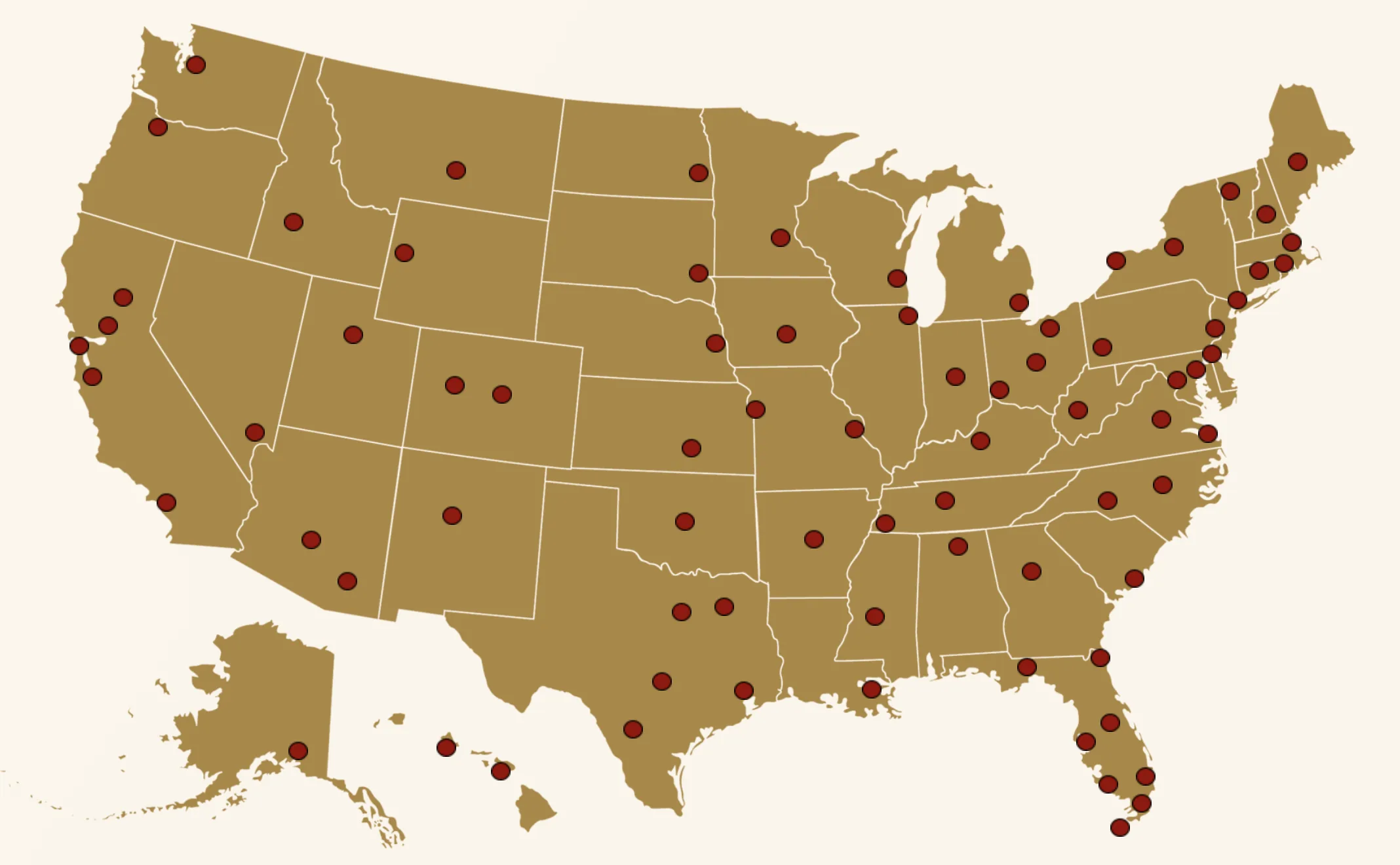
Prestige Estate Services serves clients across the United States. The appropriate appraisal pathway depends on the property, available records, assignment purpose, deadline, and level of examination needed. A scope review helps determine what information and access are necessary before work begins.
What Types of Artwork Can Be Appraised?
An assignment may involve one work, a selected group, or a larger collection. The scope is based on the objects and the question the appraisal must answer. Common fine art categories include:
- Paintings: oil, acrylic, watercolor, gouache, encaustic, and other media on canvas, panel, paper, or related supports.
- Prints and works on paper: etchings, lithographs, woodcuts, screenprints, drawings, pastels, and editioned works.
- Sculpture: bronze, stone, wood, ceramic, glass, metal, and mixed-media objects.
- Photography and mixed media: vintage or contemporary photographs, collages, constructions, and works combining multiple materials.
- Collections and artist estates: groups that require consistent identification, documentation, and market analysis across many works.
For a collection, the first task is often to establish an orderly inventory. Grouping works by artist, medium, date, edition, or location can reveal where documentation is complete and where additional research may be important. A collection is not necessarily valued by multiplying one average figure across every object; individual works can differ substantially in quality, rarity, condition, provenance, and market demand.

Why Does Intended Use Affect the Appraisal?
Intended use determines the assignment framework. It influences the effective date, the value definition, the relevant market, the research plan, the report format, and the people who may rely on the result. An appraisal prepared for one purpose should not automatically be repurposed for another.
Art appraisals may support estate administration, insurance coverage, charitable donation, equitable distribution, litigation, collection management, or other defined needs. Each use can call for a different value premise or reporting requirement.
For example, an insurance assignment generally focuses on the cost to replace comparable property in an appropriate market, while another assignment may examine the price at which property would change hands under a particular set of assumptions. The labels alone are not enough: the report must state the value definition and apply it consistently to the subject property and research.
Intended users matter as well. A report prepared for a named client and a specific professional purpose may contain terminology, disclosures, or documentation that differs from a report intended only for internal collection planning. Clarifying reliance at the start reduces the risk of producing a report that does not answer the actual assignment question.
Start with the decision the report must support, not with a preferred value conclusion. The appraiser can then define an appropriate scope and explain what documentation will be needed.
How Is Artwork Researched and Valued?
Art valuation begins with careful identification and moves outward to the market. The appraiser considers the artist or attribution basis, title, medium, dimensions, date, signature and marks, edition information, condition, provenance, exhibition or publication history, and any restrictions that affect marketability.
Relevant sales and market observations are analyzed for comparability rather than copied at face value. Differences in date, size, medium, subject, quality, condition, provenance, venue, and sale circumstances can materially affect how a market result relates to the subject artwork. The appraiser reconciles the available evidence within the defined assignment.
Condition information can change both the set of useful comparisons and the adjustments needed in analysis. Surface damage, fading, tears, losses, structural concerns, prior restoration, or an altered presentation may influence buyer response and the costs associated with comparable ownership. When a condition issue falls beyond ordinary appraisal observation, a conservator’s assessment can help define the facts used in valuation.
Provenance and publication history are evaluated for relevance, documentation, and continuity. A family account, label, receipt, gallery record, exhibition catalogue, or catalogue raisonné entry may each contribute different evidence. The report should distinguish documented facts from unverified statements and explain any assumptions that materially affect the conclusion.
Appraisal and Authentication Are Different Questions
An appraisal is not automatic authentication. When the assignment depends on an independent authentication opinion, catalogue raisonné determination, conservation assessment, or forensic examination, the scope may require work by another appropriately qualified specialist. The appraisal should identify the basis used for attribution and any relevant limiting conditions.

What Does an Art Appraisal Report Include?
The contents follow the assignment rather than a one-size-fits-all template. As applicable, a formal report identifies the client and intended users, intended use, effective date, type and definition of value, scope of work, object descriptions and photographs, research considered, comparable market evidence, analysis, assumptions and limiting conditions, the value conclusion, and the appraiser’s signed certification and qualifications.
A reader should be able to understand what was appraised, which information was available, what the appraiser did, which market evidence was considered, and how the conclusion relates to the stated assignment. When access or records are limited, the report should disclose those conditions instead of allowing them to remain implicit.
A Clear Four-Part Process
1. Scope review: Confirm the property, intended use, intended users, effective date, deadline, and known documentation.
2. Documentation and examination: Gather identifying information and determine the appropriate inspection or documentation pathway.
3. Research and analysis: Study relevant artist, object, condition, provenance, and market evidence.
4. Report: Explain the assignment, evidence, reasoning, and conclusion in a documented format.

Formal Appraisal or Informal Online Estimate?
If you are unsure which service fits, describe the decision you need to make and who will rely on the result. The scope review can begin from there.
What Should You Prepare for an Art Appraisal?
You do not need perfect records before making contact. Share what is available so the scope can be evaluated accurately. Helpful starting information includes:
- The intended use, relevant date, city and state, deadline, and person or organization expected to rely on the report.
- An inventory or count of the works, along with clear overall and detail photographs.
- Artist or maker information, title, medium, dimensions, dates, signatures, labels, marks, and edition numbers.
- Provenance, purchase records, prior appraisals, exhibition or publication references, and correspondence.
- Known condition issues, restoration history, and available conservation records.
Photographs are most useful when they include the entire front and back, the frame and mounting, signatures, labels, inscriptions, edition numbers, damage, and any unusual construction details. Keep filenames or inventory numbers consistent so each image can be matched to the correct object. Do not remove a work from its frame or attempt cleaning solely for the appraisal unless an appropriate specialist has advised it.
What Affects the Fee and Completion Time?
The number and nature of the works, access, research complexity, available documentation, condition questions, intended use, report scope, and deadline all affect the assignment. A concise initial inventory helps the appraisal team assess the work and discuss next steps without assuming that every object requires the same level of analysis.
Art Appraisal Frequently Asked Questions
Can One Artwork Be Appraised?
Yes. An assignment may cover a single work. The required research and documentation still depend on its intended use, attribution basis, condition, available records, and relevant market.
Do You Authenticate Artwork?
An appraisal and an authentication opinion are separate professional questions. The appraisal identifies the attribution basis used. If an independent authority, catalogue raisonné committee, conservator, or forensic specialist is needed, that work may be added to the scope through an appropriate referral or separate engagement.
Can a Formal Appraisal Be Completed From Photographs?
The documentation and examination pathway is determined by the assignment, not selected as a default. Photographs and records may be sufficient for some scoped work, while other assignments require direct examination or additional specialist input.
What Type of Value Will Be Reported?
The appropriate value type follows the intended use and applicable assignment requirements. Depending on the purpose, that may involve fair market value, replacement value, or another specifically defined value premise.
Are Frames Appraised Separately?
Frames and other components are considered according to the object and assignment scope. In some cases a frame materially affects the property description or value analysis; in others it is treated as an associated component rather than a separate value conclusion.
What If the Artist Is Unknown?
Research may clarify the work’s characteristics, school, period, medium, or market category even when no artist can be confirmed. The report should state the supported identification basis without promising an attribution that the evidence cannot establish.
Request an Art Appraisal Scope Review
Tell us what artwork or collection is involved, why the appraisal is needed, your city and state, the relevant date, and any deadline. We will review the available information and help define an appropriate next step.