
Personal Property Appraisers — IRS-Qualified for Estate Tax & USPAP-Compliant
We Also Provide Estate Sales
With over 50 years of expertise, we provide trusted personal property appraisals and estate services nationwide. What started small has grown into a nationally recognized name, delivering precision and integrity every step of the way.
Contact us today to get started!


What Type of Appraisal Do You Need?
Meet Our Professional Appraisers
Scroll Through & Meet Our Team!


Our Easy Appraisal Processes

In Person Appraisal
We offer comprehensive in-person appraisals conducted by certified professionals to ensure accurate and detailed property evaluations.

Remote Appraisal
We provide convenient and secure remote appraisals, ensuring accurate property valuations without requiring an on-site visit.

Online Photo Valuation
We offer online photo valuation services so you can obtain expert appraisals by simply submitting images of your items for review.
Call Us Today 1-844-ITEM-VAL
Our Estate Sale Process
Walkthrough
Every estate sale begins with a detailed walkthrough of the property. During this step, our team evaluates the items within the home, discusses your goals, and outlines the best approach for your estate sale. This process ensures that we understand the full scope of belongings to be included and can provide you with a clear plan moving forward.
Sale Preparation
Once the walkthrough is complete, we begin preparing for the estate sale by organizing, staging, and pricing items for maximum visibility and value. Our experienced team arranges personal property in a way that appeals to buyers, researches fair market values, and ensures each item is ready for sale. This preparation is key to creating a smooth and successful event.
Hosting Your Event
On the day of the estate sale, our professionals manage the entire process from start to finish. We handle customer traffic, negotiations, and transactions while maintaining a respectful and organized environment. Our goal is to create a seamless experience that maximizes proceeds while reducing stress for you and your family.
Call Us Today 1-844-EST-SALE
Find An Appraiser Near You


Personal Property Appraisers — IRS-Qualified for Estate Tax & USPAP-Compliant

Personal Property Appraisers
Personal property appraisers bring specialized expertise to the valuation of tangible assets—those physical items you own, aside from real estate. Their skill set covers a broad spectrum, including:
- Fine art: Paintings, sculptures, and limited-edition prints
- Antiques: Historic furnishings, decorative objects, and rare artifacts
- Jewelry and gemstones: From heirloom pieces to contemporary designer collections
- Collectibles: Coins, stamps, memorabilia, vintage toys, and sports cards
- Household contents: Designer furniture, musical instruments, silverware
- Business assets: Office equipment, technology, machinery
Appraisers tailor their approach to the unique characteristics of each asset class. Their role often extends into scenarios such as estate settlement, charitable donations (for IRS deductions), divorce proceedings, bankruptcy cases, or insurance coverage establishment.
The Appraisal Process: Steps and Considerations
A qualified personal property appraiser follows a systematic process designed for accuracy and transparency:
- Initial Consultation: The appraiser discusses your objectives and reviews any relevant documentation or prior valuations.
- Inspection: Items are carefully examined in person or via secure digital review. Factors like condition, maker’s marks, signatures, restoration work, and authenticity are documented.
- Research & Analysis: Using proprietary databases and current market sources, the appraiser analyzes recent sales of comparable items (commonly called “comps”) to benchmark value.
- Valuation Report: Findings are compiled into a formal report that includes a description of each item, photographs, market analysis data, and clearly stated value conclusions.
Did you know? Some high-value collectibles—such as rare coins or watches—may require laboratory testing or expert authentication as part of the appraisal process.
USPAP Compliance Standards
USPAP—the Uniform Standards of Professional Appraisal Practice—is the recognized ethical code for appraisers in the United States. Adherence to USPAP isn’t just best practice; it’s often legally mandated for assignments connected to tax filings or court proceedings.
Core USPAP Principles
- Impartiality: Appraisers must avoid conflicts of interest and not be influenced by parties who may benefit from a higher or lower value.
- Transparency: Documentation must clearly show how value conclusions were reached so third parties can follow the logic.
- Confidentiality: Client information is protected under strict privacy guidelines.
USPAP also requires that every report be thoroughly documented. This means clients can rely on well-organized files that stand up to audit or legal review years down the line.
Professional Credentials and Qualifications
Choosing an appraiser with advanced credentials is essential for reliable results. Top-tier professionals typically hold membership in at least one major industry organization:
Major Accrediting Bodies
- International Society of Appraisers (ISA): Focused on personal property specialists; rigorous entry requirements.
- American Society of Appraisers (ASA): Covers both personal property and business asset valuation; members pass comprehensive exams.
- Appraisers Association of America (AAA): Especially strong in fine arts appraisal.
Additional Qualifications
Some appraisers pursue niche certifications in areas like:
- Gemology (for jewelry)
- Rare books or manuscripts
- Industrial machinery valuation
All reputable appraisers invest in continuing education to keep pace with evolving markets and legal standards. Many also carry Errors & Omissions insurance—a professional safeguard for both client and appraiser.
Nationwide Service Availability
Personal property appraisers operate across all fifty states—often serving clients remotely through digital consultations or traveling for onsite evaluations when necessary. Mobile appraisal teams can handle entire estates on short notice or coordinate secure transport for especially fragile or valuable pieces.
Examples of Client Scenarios
- Attorneys needing defensible valuations for contested estates
- Fiduciaries documenting trust distributions
- CPAs substantiating non-cash charitable contributions
- Insurance agents verifying replacement costs after loss events
- Collectors seeking pre-sale estimates or portfolio reviews
Services often include detailed photographic inventories and tailored reports suitable for tax authorities or insurance adjusters.
Interesting Fact: The IRS requires specific language in appraisal documents for non-cash charitable contributions exceeding $5,000—another reason why qualified professionals are vital.
Appraisers’ access to private sale records and global auction databases gives them an edge when assessing rare or unusual items. Their ability to interpret market trends ensures that all valuations reflect current realities—not outdated price guides.
IRS-Qualified Estate Tax Appraisers

The Internal Revenue Service (IRS) enforces rigorous standards for estate tax appraisers whose valuations are used in federal estate tax filings. IRS-qualified estate tax appraisers must demonstrate not only technical competence but also professional integrity, ensuring the accuracy and reliability of their reports for both taxpayers and federal authorities.
IRS Qualification Criteria for Estate Tax Appraisers
Under Treasury Regulation 1.170A-13(c)(5), the IRS outlines explicit requirements that appraisers must satisfy to be considered qualified for estate tax purposes. These standards are designed to safeguard the appraisal process against conflicts of interest, errors, and potential abuse.
Educational Requirements
- Relevant Academic Background: Appraisers must possess formal education in appraisal theory and methodology, typically evidenced by degrees or certificates from accredited institutions.
- Specialized Coursework: Completion of coursework directly related to the type of property being valued—such as fine art, jewelry, or antiques—is essential. This ensures that the appraiser understands sector-specific valuation techniques and market dynamics.
- Ongoing Professional Development: The IRS expects appraisers to pursue continuing education through workshops, seminars, or professional training programs. Staying updated on evolving standards and IRS regulations is critical for compliance.
Professional Experience Standards
- Minimum Experience Threshold: A qualified appraiser must have at least two years’ hands-on experience in valuing assets similar to those in the subject estate. This experience should be verifiable through work history or client references.
- Active Practice Requirement: The IRS looks for evidence that appraisal activities form a significant part of the individual’s professional practice—not an occasional sideline. Active engagement demonstrates familiarity with current market trends and valuation challenges.
- Documented Track Record: Successful completion of comparable estate appraisals is often required. Past reports may be reviewed to assess quality, thoroughness, and adherence to industry best practices.
Professional Credentials
- Recognized Designations: Credentials such as Accredited Member (AM) or Certified Appraiser from organizations like the International Society of Appraisers (ISA), American Society of Appraisers (ASA), or Appraisers Association of America (AAA) help validate an appraiser’s expertise.
- Good Standing in Professional Organizations: Ongoing membership in recognized bodies signifies adherence to codes of ethics, disciplinary oversight, and commitment to professionalism.
- Peer Review Participation: Many organizations require periodic peer reviews or audits of appraisal reports—an additional safeguard ensuring quality and objectivity.
Interesting fact: In some cases involving unique or high-value items (e.g., rare artwork), the IRS may convene its own Art Advisory Panel to review submitted appraisals.
Independence Requirement
Appraisers must maintain strict independence from all parties involved in the estate—namely the taxpayer, beneficiaries, executors, or any interested professionals. Any financial interest or prior involvement with the property can disqualify an appraiser under IRS rules.
Form 706 Estate Tax Filing Requirements
When preparing Form 706—the United States Estate (and Generation-Skipping Transfer) Tax Return—estates are obligated to provide detailed valuations for all personal property assets exceeding reporting thresholds. The accuracy and detail of these valuations are crucial for federal compliance.
Reportable Personal Property Categories
The IRS generally requires professional appraisals for:
- Fine Art & Antiques: Paintings, sculptures, decorative objects
- Jewelry & Precious Metals: Gemstones, gold bars, designer pieces
- Collectibles: Rare coins, stamps, sports memorabilia
- High-Value Household Contents: Designer furniture sets, luxury electronics
- Business Assets & Equipment: Machinery, office equipment integral to closely held businesses
Documentation Standards
- Itemized Schedules: Each asset must be listed individually with a clear description—including maker/artist name, dimensions/weight if relevant, distinguishing characteristics, and provenance when available.
- Fair Market Value Determinations: Values must reflect what a willing buyer would pay a willing seller as of the date of death; this involves analyzing comparable sales data from that specific period.
- Supporting Evidence: Attachments may include photographs, expert statements, prior sales records, auction results, or authentication certificates where appropriate.
Timelines & Compliance Expectations
- Estates are required to file Form 706 within nine months following the decedent’s date of death; extensions may be requested if more time is needed for complex asset valuations.
- Delays in obtaining qualified appraisals can impact filing deadlines—potentially resulting in penalties or increased audit risk.
- The IRS rigorously reviews reported values for consistency with supporting documentation and prevailing market conditions at the time of death.
Tip: Engaging an IRS-qualified estate tax appraiser early in the process helps ensure timely completion and reduces stress during probate administration.
Qualified Appraisal Standards Under IRS Rules
The IRS defines specific requirements for what constitutes a qualified appraisal Form 8283 and estate tax purposes. These standards apply equally to charitable donation appraisals and estate valuations:
Required Appraisal Elements:
- Complete description of the appraised property
- Physical condition assessment at the time of valuation
- Date of valuation and intended use of the appraisal
- Value determination and methodology explanation
- Qualifications of the appraiser performing the work
- Statement that the appraisal was prepared for tax purposes
Written Report Requirements:
Each qualified appraisal must include a signed, written report containing:
- Property identification with detailed descriptions, photographs, and condition assessments
- Valuation methodology explaining the approach used (cost, market, or income approach)
- Market analysis supporting the concluded values with comparable sales data
- Appraiser qualifications demonstrating compliance with IRS standards
- Limiting conditions and assumptions affecting the valuation
For those seeking IRS Qualified Estate Tax Appraisals, it is crucial to engage certified professionals who
Charitable Donation Appraisal

A charitable donation appraisal is important for donors who want to claim tax deductions on donated personal property. When individuals or estates give away valuable items like artwork, antiques, jewelry, or collectibles to approved charitable organizations, it’s crucial to determine their worth accurately. This helps maximize tax benefits while staying compliant with IRS regulations.
IRS Requirements for Charitable Contributions
The IRS has specific rules regarding donations of personal property. If the value of the donation exceeds $5,000, a qualified appraisal conducted by a qualified appraiser as defined by the IRS is required. This rule applies to both individual items and groups of similar items donated to the same organization within the same tax year.
Form 8283 and its Requirements
Form 8283 is used as documentation for these charitable contributions. It requires detailed information about the donated property and the qualified appraisal. The following details must be included in the form:
- A complete description of the donated property
- The date of contribution and acquisition details
- Determination of fair market value
- Method used to determine fair market value
- Signature and credentials of the qualified appraiser
Importance of Meeting IRS Standards
Charitable donation appraisal reports must adhere to strict IRS standards in order to hold up to potential scrutiny. Methodologies that comply with USPAP (Uniform Standards of Professional Appraisal Practice) ensure defensible valuations supporting the claimed deduction amounts. Qualified appraisers possess the necessary education, experience, and professional credentials to provide credible opinions of value for tax purposes.
Timing Requirements for Appraisal
The appraisal must be completed no earlier than 60 days before the date of donation and no later than the deadline for filing tax returns. This timing requirement ensures that the valuation reflects current market conditions at the time of contribution.
Divorce Appraisal & Equitable Distribution

Divorce proceedings require accurate valuation of marital assets to achieve fair property division. Personal property appraisals play a critical role in establishing market values for tangible assets accumulated during marriage, from fine art and jewelry to collectibles and household furnishings.
Courts rely on USPAP-compliant appraisals to make informed decisions about asset distribution. These professional valuations provide objective, defensible evidence that helps prevent disputes and ensures both parties receive their rightful share of marital property.
Key Assets Requiring Professional Valuation
- Jewelry and watches – engagement rings, wedding bands, luxury timepieces
- Art and antiques – paintings, sculptures, furniture, decorative objects
- Collectibles – coins, stamps, sports memorabilia, vintage items
- Luxury goods – designer handbags, furs, precious metals
By providing personal property appraisals nationwide we can ensure compliance with legal standards while providing the documentation courts require. Divorce appraisals for equitable distribution must meet strict professional standards to provide defensible legal scrutiny and our team is ready to assist your project no matter where the location.
Qualified appraisers understand the nuances of marital property law and provide detailed reports that clearly identify, describe, and value each asset. This professional approach protects both parties’ interests and facilitates smoother divorce proceedings by eliminating valuation disagreements that could prolong litigation.
Insurance Replacement Value Appraisal

Insurance replacement value appraisal determines the cost to replace personal property items with similar pieces of the same age, condition, and quality in today’s retail market. This specialized valuation is used to ensure sufficient insurance coverage, protecting policyholders from financial loss in the event of damage, destruction, or theft of their belongings.
Understanding Replacement Value
The replacement value is different from other appraisal methods. While fair market value indicates what an item might sell for between two willing parties, replacement value focuses on the actual cost to obtain a substitute item through regular retail channels. This difference is crucial when making insurance claims, as insufficient coverage based on outdated or incorrect valuations can leave policyholders significantly underinsured.
What Goes Into an Insurance Replacement Value Appraisal?
Professional appraisers conduct thorough market research to determine accurate replacement costs, taking into account factors such as availability, manufacturing changes, and current market conditions. The resulting insurance appraisal provides insurers with the documentation needed to establish appropriate coverage limits and process claims efficiently.
Key components of replacement value appraisals include:
- Current retail pricing research from authorized dealers and established marketplaces
- Detailed item descriptions including maker, model, materials, and condition
- High-resolution photography documenting each appraised item
- USPAP-compliant methodology ensuring defensible valuations
The Importance of Regular Updates
Regular updates to insurance replacement value appraisals help maintain adequate coverage as market values change and collections evolve through acquisitions or disposals.
Personal Property Inventory Appraisal

A personal property inventory appraisal is a detailed assessment of all physical assets in a home or estate. It involves creating a thorough list of items, describing their condition, and determining their current market value.
The Process of Personal Property Inventory Appraisal
The appraisal process includes:
- Going through each room and documenting everything
- Taking photographs of items
- Researching similar sales to establish accurate values
Professional appraisers are trained to evaluate various types of belongings such as furniture, artwork, jewelry, collectibles, and household items. They produce comprehensive reports that adhere to industry standards.
Why Personal Property Inventory Appraisals Are Important
These appraisals serve several important purposes:
- Estate planning: Establishing values for future tax calculations and distribution planning
- Insurance coverage: Determining appropriate coverage limits and supporting claims documentation
- Divorce proceedings: Creating complete asset inventories for fair distribution
- Tax compliance: Supporting IRS filing requirements when personal property transfers occur
- Risk management: Identifying high-value items needing special insurance considerations
Unlike appraisals that focus on individual items, personal property inventory appraisals provide an overall value of the entire household. This makes them useful for various legal, tax, and insurance matters throughout their lifespan.
The Role of Professional Appraisers
To ensure the accuracy and credibility of these appraisals, it is recommended to hire professional personal property appraisers. They follow specific guidelines known as USPAP (Uniform Standards of Professional Appraisal Practice) when conducting inventories. This ensures that the resulting documentation meets industry standards required by legal authorities, tax agencies, and insurance companies.
Meet Our Appraisers

https://prestigeestateservices.com/appraisals/meet-our-appraisers/
Keeping Your Inventory Up-to-Date
It is essential to regularly update your personal property inventory appraisal to reflect changes in market conditions and new acquisitions. This will help maintain its accuracy over time and ensure that you have an up-to-date record of your assets for any future needs.
Litigation Appraisal Review & Expert Witness Testimony for Personal Property Valuations Disputes
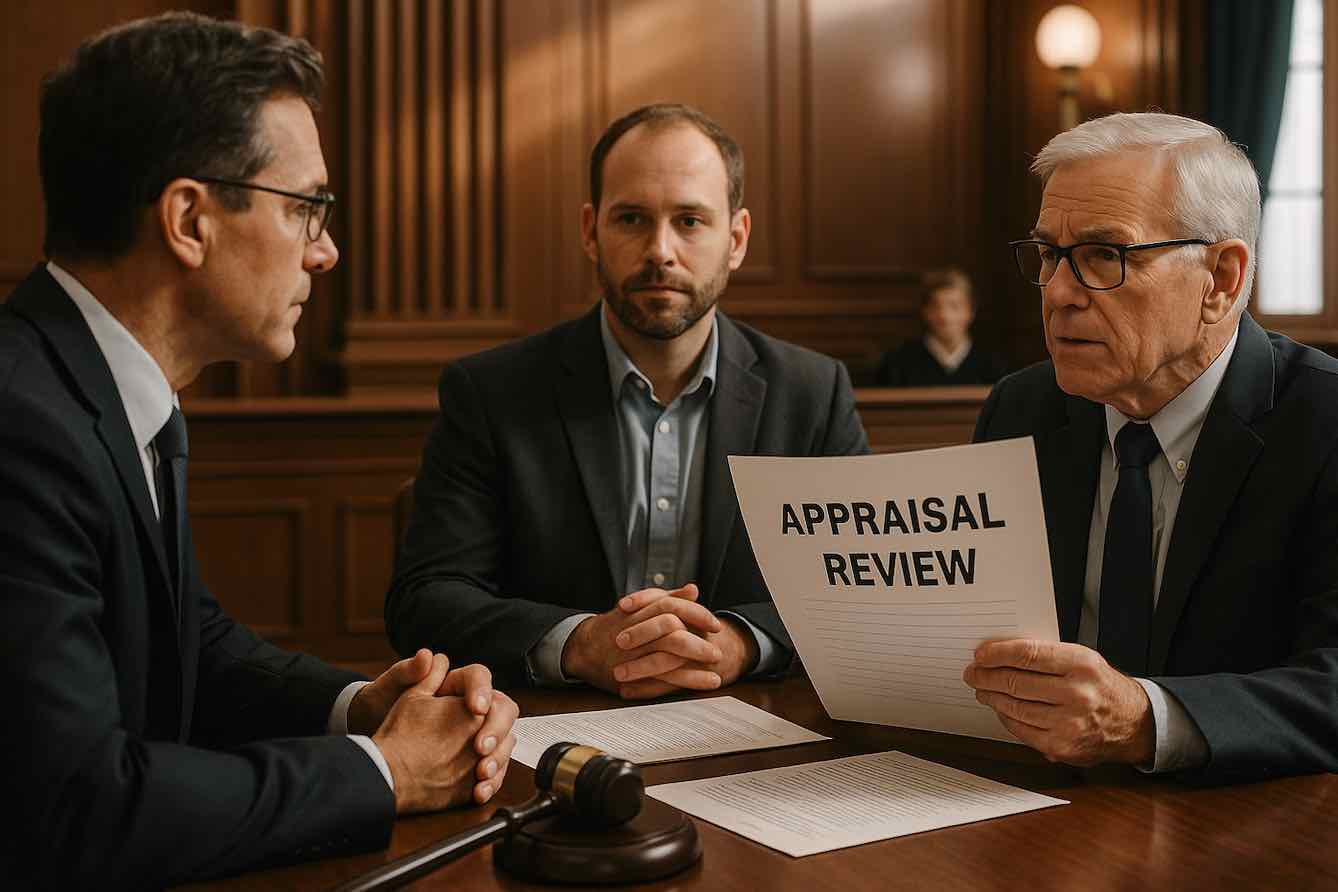
Legal disputes involving personal property valuations require independent professional analysis to resolve conflicts between parties. Litigation appraisal review services examine existing appraisals for accuracy, methodology compliance, and adherence to professional standards. Courts rely on these independent assessments to determine the credibility of contested valuations.
Qualified appraisers serve as expert witnesses in cases where personal property values are disputed. These professionals provide testimony based on their credentials, experience, and adherence to USPAP standards. The court system recognizes the importance of having IRS-qualified personal property appraisals by appraisers who are (USPAP-compliant & IRS-qualified) when significant financial interests are at stake.
Common litigation scenarios include:
- Estate disputes between heirs regarding asset distributions
- Insurance claim disagreements over replacement values
- Divorce proceedings with contested property valuations
- Tax court cases challenging charitable donation deductions
- Business partnership dissolutions involving personal property
Expert witnesses must demonstrate their qualifications through education, experience, and professional credentials. ISA-credentialed appraisers bring recognized expertise to courtroom proceedings. Their testimony carries weight because it’s supported by standardized methodologies and ethical guidelines.
The litigation process demands thorough documentation and defensible valuation approaches. Appraisers conducting reviews analyze comparable sales data, market conditions, and the original appraiser’s methodology. This comprehensive analysis helps attorneys build stronger cases and assists judges in making informed decisions about disputed personal property values.
Remote Appraisals
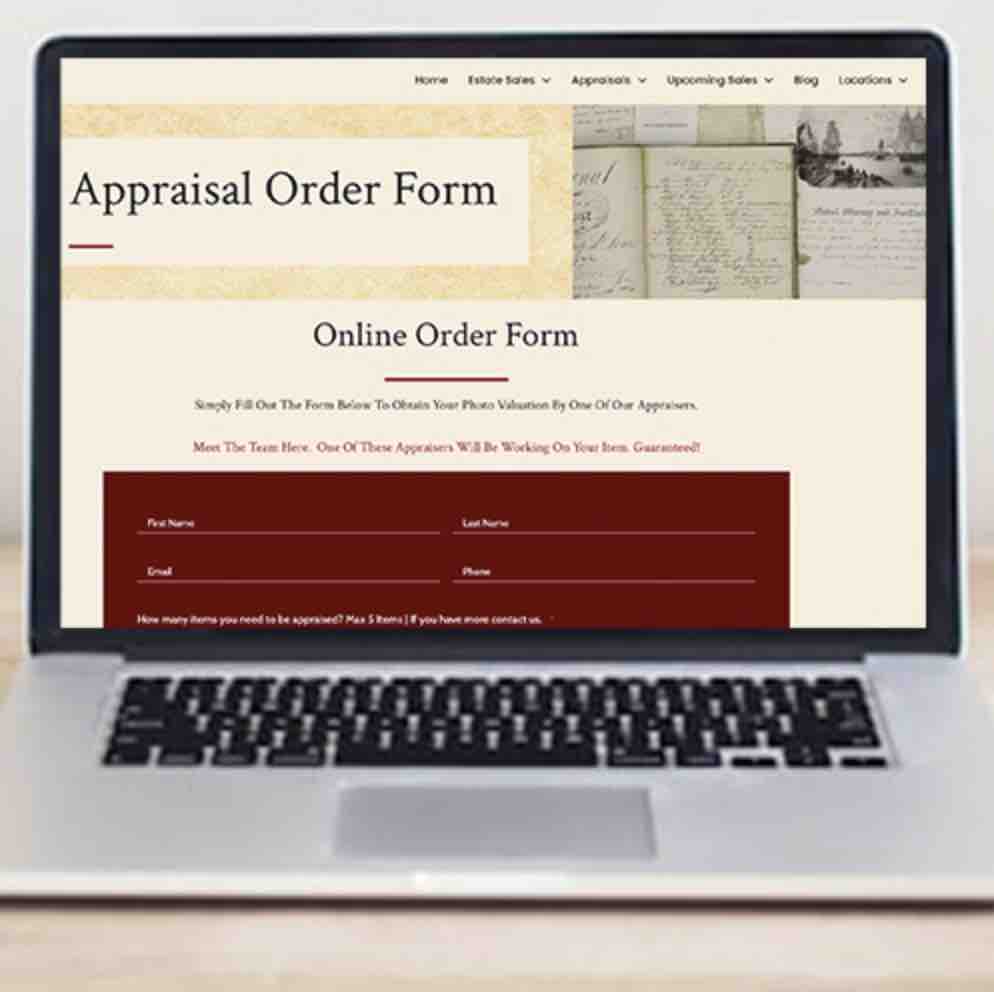
Remote appraisals offer a convenient, efficient solution for clients who are unable to accommodate in-person visits or need timely valuations regardless of location. Leveraging secure digital technology, qualified appraisers can conduct thorough assessments of personal property using high-resolution photographs, live video walkthroughs, and detailed client-supplied documentation.
This process typically involves the client submitting itemized lists, provenance records, and images of each asset through a secure online portal.
Appraisers then conduct market research and analysis based on the provided information, often following up with virtual meetings to clarify details or request additional visuals.
All remote appraisal reports adhere to USPAP standards and include the same level of professional documentation and defensible value conclusions as traditional in-person services. Remote appraisals are ideal for insurance updates (when allowed by your insurance provider), estate planning, charitable contribution substantiation, divorce settlements, and situations where travel restrictions or urgent deadlines exist.
By embracing remote solutions, clients nationwide can access expert valuation services without compromising on accuracy or compliance.
Estate Sale Services by Prestige Estate Services

In addition to offering Personal Property Appraisals Nationwide, Prestige Estate Services provides comprehensive estate sale services to families and fiduciaries involved in managing estate transitions. These estate liquidation services complement our appraisal expertise by offering end-to-end solutions for personal property disposition.
Our Estate Sale Services
Our estate sale services include complete evaluation, professional staging, marketing, and sale execution. The same qualified appraisers who prepare USPAP-compliant reports for estate tax filings also assess items for optimal pricing strategies during estate sales when needed. This integrated approach ensures accurate valuations whether items are being appraised for tax purposes or prepared for public sale.
Key estate sale services include:
- Professional inventory and cataloging of personal property
- Strategic pricing based on current market conditions
- Comprehensive marketing through multiple channels
- On-site sale management and customer service
- Post-sale cleanup and donation coordination
- Detailed accounting and proceeds distribution
The Value of Combining Appraisal Services with Estate Sales
The connection between appraisal services and estate sales creates significant value for executors and administrators. Items identified during the appraisal process can be seamlessly transitioned into estate sale inventory when appropriate. While our Appraisals Division work alongside our Estate Sale Division we will not coordinate both services at the same time due to potential conflicts of interest. Once the appraisal is completed we can then engage in discussion with those who are needing to sell the items but only after the appraisal is completed to prevent any conflicts of interest. This coordination streamlines the estate settlement process while maximizing returns for beneficiaries.
Benefits for Families
Families benefit from working with a single provider that understands both the compliance requirements for estate tax filings and the practical aspects of personal property liquidation. Our nationwide network ensures consistent service quality regardless of location, supporting attorneys, CPAs, and fiduciaries with reliable estate sale services that complement our certified appraisal expertise.
Additional Services: Insurance Appraisals
In addition to our estate sale services, we also provide insurance appraisals which are crucial for high-value and luxury items. Our qualified appraisers ensure accurate insurance valuations that help in safeguarding your valuable assets.
Ready to discuss your personal property appraisal or estate sale needs? Contact us today for a consultation and customized proposal tailored to your specific requirements.
FAQs (Frequently Asked Questions)

What is the role of personal property appraisers in valuing tangible assets?
Personal property appraisers specialize in the valuation of tangible assets, providing accurate and USPAP-compliant appraisals that are essential for legal, financial, and insurance purposes nationwide.
Why is USPAP compliance important for personal property appraisals?
USPAP compliance ensures ethical and standardized appraisal practices, making valuations defensible and reliable for IRS filings, estate planning, insurance claims, and legal proceedings.
What credentials do IRS-qualified estate tax appraisers typically hold?
IRS-qualified estate tax appraisers usually possess education, professional experience, and recognized accreditations such as ISA credentials, meeting IRS standards to provide qualified appraisals for estate tax purposes including Form 706 and Form 8283 filings.
When is a qualified appraisal required for charitable donation deductions?
A qualified appraisal is required by the IRS for charitable donations valued above $5,000 to substantiate the deduction claim on tax returns using Form 8283.
How do personal property appraisals assist in divorce proceedings?
In divorce cases, personal property appraisals provide fair and USPAP-compliant valuations that facilitate equitable distribution of assets between parties.
What services does Prestige Estate Services offer nationwide related to personal property?
Prestige Estate Services provides comprehensive nationwide estate sale and liquidation services supported by IRS-qualified, USPAP-compliant personal property appraisals to ensure accurate asset valuation and smooth transactions.
Personal Property Appraisers — IRS-Qualified for Estate Tax & USPAP-Compliant
Personal Property Appraisers
Personal property appraisers bring specialized expertise to the valuation of tangible assets—those physical items you own, aside from real estate. Their skill set covers a broad spectrum, including:
- Fine art: Paintings, sculptures, and limited-edition prints
- Antiques: Historic furnishings, decorative objects, and rare artifacts
- Jewelry and gemstones: From heirloom pieces to contemporary designer collections
- Collectibles: Coins, stamps, memorabilia, vintage toys, and sports cards
- Household contents: Designer furniture, musical instruments, silverware
- Business assets: Office equipment, technology, machinery
Appraisers tailor their approach to the unique characteristics of each asset class. Their role often extends into scenarios such as estate settlement, charitable donations (for IRS deductions), divorce proceedings, bankruptcy cases, or insurance coverage establishment.
The Appraisal Process: Steps and Considerations
A qualified personal property appraiser follows a systematic process designed for accuracy and transparency:
- Initial Consultation: The appraiser discusses your objectives and reviews any relevant documentation or prior valuations.
- Inspection: Items are carefully examined in person or via secure digital review. Factors like condition, maker’s marks, signatures, restoration work, and authenticity are documented.
- Research & Analysis: Using proprietary databases and current market sources, the appraiser analyzes recent sales of comparable items (commonly called “comps”) to benchmark value.
- Valuation Report: Findings are compiled into a formal report that includes a description of each item, photographs, market analysis data, and clearly stated value conclusions.
Did you know? Some high-value collectibles—such as rare coins or watches—may require laboratory testing or expert authentication as part of the appraisal process.
USPAP Compliance Standards
USPAP—the Uniform Standards of Professional Appraisal Practice—is the recognized ethical code for appraisers in the United States. Adherence to USPAP isn’t just best practice; it’s often legally mandated for assignments connected to tax filings or court proceedings.
Core USPAP Principles
- Impartiality: Appraisers must avoid conflicts of interest and not be influenced by parties who may benefit from a higher or lower value.
- Transparency: Documentation must clearly show how value conclusions were reached so third parties can follow the logic.
- Confidentiality: Client information is protected under strict privacy guidelines.
USPAP also requires that every report be thoroughly documented. This means clients can rely on well-organized files that stand up to audit or legal review years down the line.
Professional Credentials and Qualifications
Choosing an appraiser with advanced credentials is essential for reliable results. Top-tier professionals typically hold membership in at least one major industry organization:
Major Accrediting Bodies
- International Society of Appraisers (ISA): Focused on personal property specialists; rigorous entry requirements.
- American Society of Appraisers (ASA): Covers both personal property and business asset valuation; members pass comprehensive exams.
- Appraisers Association of America (AAA): Especially strong in fine arts appraisal.
Additional Qualifications
Some appraisers pursue niche certifications in areas like:
- Gemology (for jewelry)
- Rare books or manuscripts
- Industrial machinery valuation
All reputable appraisers invest in continuing education to keep pace with evolving markets and legal standards. Many also carry Errors & Omissions insurance—a professional safeguard for both client and appraiser.
Nationwide Service Availability
Personal property appraisers operate across all fifty states—often serving clients remotely through digital consultations or traveling for onsite evaluations when necessary. Mobile appraisal teams can handle entire estates on short notice or coordinate secure transport for especially fragile or valuable pieces.
Examples of Client Scenarios
- Attorneys needing defensible valuations for contested estates
- Fiduciaries documenting trust distributions
- CPAs substantiating non-cash charitable contributions
- Insurance agents verifying replacement costs after loss events
- Collectors seeking pre-sale estimates or portfolio reviews
Services often include detailed photographic inventories and tailored reports suitable for tax authorities or insurance adjusters.
Interesting Fact: The IRS requires specific language in appraisal documents for non-cash charitable contributions exceeding $5,000—another reason why qualified professionals are vital.
Appraisers’ access to private sale records and global auction databases gives them an edge when assessing rare or unusual items. Their ability to interpret market trends ensures that all valuations reflect current realities—not outdated price guides.
IRS-Qualified Estate Tax Appraisers
The Internal Revenue Service (IRS) enforces rigorous standards for estate tax appraisers whose valuations are used in federal estate tax filings. IRS-qualified estate tax appraisers must demonstrate not only technical competence but also professional integrity, ensuring the accuracy and reliability of their reports for both taxpayers and federal authorities.
IRS Qualification Criteria for Estate Tax Appraisers
Under Treasury Regulation 1.170A-13(c)(5), the IRS outlines explicit requirements that appraisers must satisfy to be considered qualified for estate tax purposes. These standards are designed to safeguard the appraisal process against conflicts of interest, errors, and potential abuse.
Educational Requirements
- Relevant Academic Background: Appraisers must possess formal education in appraisal theory and methodology, typically evidenced by degrees or certificates from accredited institutions.
- Specialized Coursework: Completion of coursework directly related to the type of property being valued—such as fine art, jewelry, or antiques—is essential. This ensures that the appraiser understands sector-specific valuation techniques and market dynamics.
- Ongoing Professional Development: The IRS expects appraisers to pursue continuing education through workshops, seminars, or professional training programs. Staying updated on evolving standards and IRS regulations is critical for compliance.
Professional Experience Standards
- Minimum Experience Threshold: A qualified appraiser must have at least two years’ hands-on experience in valuing assets similar to those in the subject estate. This experience should be verifiable through work history or client references.
- Active Practice Requirement: The IRS looks for evidence that appraisal activities form a significant part of the individual’s professional practice—not an occasional sideline. Active engagement demonstrates familiarity with current market trends and valuation challenges.
- Documented Track Record: Successful completion of comparable estate appraisals is often required. Past reports may be reviewed to assess quality, thoroughness, and adherence to industry best practices.
Professional Credentials
- Recognized Designations: Credentials such as Accredited Member (AM) or Certified Appraiser from organizations like the International Society of Appraisers (ISA), American Society of Appraisers (ASA), or Appraisers Association of America (AAA) help validate an appraiser’s expertise.
- Good Standing in Professional Organizations: Ongoing membership in recognized bodies signifies adherence to codes of ethics, disciplinary oversight, and commitment to professionalism.
- Peer Review Participation: Many organizations require periodic peer reviews or audits of appraisal reports—an additional safeguard ensuring quality and objectivity.
Interesting fact: In some cases involving unique or high-value items (e.g., rare artwork), the IRS may convene its own Art Advisory Panel to review submitted appraisals.
Independence Requirement
Appraisers must maintain strict independence from all parties involved in the estate—namely the taxpayer, beneficiaries, executors, or any interested professionals. Any financial interest or prior involvement with the property can disqualify an appraiser under IRS rules.
Form 706 Estate Tax Filing Requirements
When preparing Form 706—the United States Estate (and Generation-Skipping Transfer) Tax Return—estates are obligated to provide detailed valuations for all personal property assets exceeding reporting thresholds. The accuracy and detail of these valuations are crucial for federal compliance.
Reportable Personal Property Categories
The IRS generally requires professional appraisals for:
- Fine Art & Antiques: Paintings, sculptures, decorative objects
- Jewelry & Precious Metals: Gemstones, gold bars, designer pieces
- Collectibles: Rare coins, stamps, sports memorabilia
- High-Value Household Contents: Designer furniture sets, luxury electronics
- Business Assets & Equipment: Machinery, office equipment integral to closely held businesses
Documentation Standards
- Itemized Schedules: Each asset must be listed individually with a clear description—including maker/artist name, dimensions/weight if relevant, distinguishing characteristics, and provenance when available.
- Fair Market Value Determinations: Values must reflect what a willing buyer would pay a willing seller as of the date of death; this involves analyzing comparable sales data from that specific period.
- Supporting Evidence: Attachments may include photographs, expert statements, prior sales records, auction results, or authentication certificates where appropriate.
Timelines & Compliance Expectations
- Estates are required to file Form 706 within nine months following the decedent’s date of death; extensions may be requested if more time is needed for complex asset valuations.
- Delays in obtaining qualified appraisals can impact filing deadlines—potentially resulting in penalties or increased audit risk.
- The IRS rigorously reviews reported values for consistency with supporting documentation and prevailing market conditions at the time of death.
Tip: Engaging an IRS-qualified estate tax appraiser early in the process helps ensure timely completion and reduces stress during probate administration.
Qualified Appraisal Standards Under IRS Rules
The IRS defines specific requirements for what constitutes a qualified appraisal Form 8283 and estate tax purposes. These standards apply equally to charitable donation appraisals and estate valuations:
Required Appraisal Elements:
- Complete description of the appraised property
- Physical condition assessment at the time of valuation
- Date of valuation and intended use of the appraisal
- Value determination and methodology explanation
- Qualifications of the appraiser performing the work
- Statement that the appraisal was prepared for tax purposes
Written Report Requirements:
Each qualified appraisal must include a signed, written report containing:
- Property identification with detailed descriptions, photographs, and condition assessments
- Valuation methodology explaining the approach used (cost, market, or income approach)
- Market analysis supporting the concluded values with comparable sales data
- Appraiser qualifications demonstrating compliance with IRS standards
- Limiting conditions and assumptions affecting the valuation
For those seeking IRS Qualified Estate Tax Appraisals, it is crucial to engage certified professionals who
Charitable Donation Appraisal
A charitable donation appraisal is important for donors who want to claim tax deductions on donated personal property. When individuals or estates give away valuable items like artwork, antiques, jewelry, or collectibles to approved charitable organizations, it’s crucial to determine their worth accurately. This helps maximize tax benefits while staying compliant with IRS regulations.
IRS Requirements for Charitable Contributions
The IRS has specific rules regarding donations of personal property. If the value of the donation exceeds $5,000, a qualified appraisal conducted by a qualified appraiser as defined by the IRS is required. This rule applies to both individual items and groups of similar items donated to the same organization within the same tax year.
Form 8283 and its Requirements
Form 8283 is used as documentation for these charitable contributions. It requires detailed information about the donated property and the qualified appraisal. The following details must be included in the form:
- A complete description of the donated property
- The date of contribution and acquisition details
- Determination of fair market value
- Method used to determine fair market value
- Signature and credentials of the qualified appraiser
Importance of Meeting IRS Standards
Charitable donation appraisal reports must adhere to strict IRS standards in order to hold up to potential scrutiny. Methodologies that comply with USPAP (Uniform Standards of Professional Appraisal Practice) ensure defensible valuations supporting the claimed deduction amounts. Qualified appraisers possess the necessary education, experience, and professional credentials to provide credible opinions of value for tax purposes.
Timing Requirements for Appraisal
The appraisal must be completed no earlier than 60 days before the date of donation and no later than the deadline for filing tax returns. This timing requirement ensures that the valuation reflects current market conditions at the time of contribution.
Divorce Appraisal & Equitable Distribution
Divorce proceedings require accurate valuation of marital assets to achieve fair property division. Personal property appraisals play a critical role in establishing market values for tangible assets accumulated during marriage, from fine art and jewelry to collectibles and household furnishings.
Courts rely on USPAP-compliant appraisals to make informed decisions about asset distribution. These professional valuations provide objective, defensible evidence that helps prevent disputes and ensures both parties receive their rightful share of marital property.
Key Assets Requiring Professional Valuation
- Jewelry and watches – engagement rings, wedding bands, luxury timepieces
- Art and antiques – paintings, sculptures, furniture, decorative objects
- Collectibles – coins, stamps, sports memorabilia, vintage items
- Luxury goods – designer handbags, furs, precious metals
By providing personal property appraisals nationwide we can ensure compliance with legal standards while providing the documentation courts require. Divorce appraisals for equitable distribution must meet strict professional standards to provide defensible legal scrutiny and our team is ready to assist your project no matter where the location.
Qualified appraisers understand the nuances of marital property law and provide detailed reports that clearly identify, describe, and value each asset. This professional approach protects both parties’ interests and facilitates smoother divorce proceedings by eliminating valuation disagreements that could prolong litigation.
Insurance Replacement Value Appraisal
Insurance replacement value appraisal determines the cost to replace personal property items with similar pieces of the same age, condition, and quality in today’s retail market. This specialized valuation is used to ensure sufficient insurance coverage, protecting policyholders from financial loss in the event of damage, destruction, or theft of their belongings.
Understanding Replacement Value
The replacement value is different from other appraisal methods. While fair market value indicates what an item might sell for between two willing parties, replacement value focuses on the actual cost to obtain a substitute item through regular retail channels. This difference is crucial when making insurance claims, as insufficient coverage based on outdated or incorrect valuations can leave policyholders significantly underinsured.
What Goes Into an Insurance Replacement Value Appraisal?
Professional appraisers conduct thorough market research to determine accurate replacement costs, taking into account factors such as availability, manufacturing changes, and current market conditions. The resulting insurance appraisal provides insurers with the documentation needed to establish appropriate coverage limits and process claims efficiently.
Key components of replacement value appraisals include:
- Current retail pricing research from authorized dealers and established marketplaces
- Detailed item descriptions including maker, model, materials, and condition
- High-resolution photography documenting each appraised item
- USPAP-compliant methodology ensuring defensible valuations
The Importance of Regular Updates
Regular updates to insurance replacement value appraisals help maintain adequate coverage as market values change and collections evolve through acquisitions or disposals.
Personal Property Inventory Appraisal
A personal property inventory appraisal is a detailed assessment of all physical assets in a home or estate. It involves creating a thorough list of items, describing their condition, and determining their current market value.
The Process of Personal Property Inventory Appraisal
The appraisal process includes:
- Going through each room and documenting everything
- Taking photographs of items
- Researching similar sales to establish accurate values
Professional appraisers are trained to evaluate various types of belongings such as furniture, artwork, jewelry, collectibles, and household items. They produce comprehensive reports that adhere to industry standards.
Why Personal Property Inventory Appraisals Are Important
These appraisals serve several important purposes:
- Estate planning: Establishing values for future tax calculations and distribution planning
- Insurance coverage: Determining appropriate coverage limits and supporting claims documentation
- Divorce proceedings: Creating complete asset inventories for fair distribution
- Tax compliance: Supporting IRS filing requirements when personal property transfers occur
- Risk management: Identifying high-value items needing special insurance considerations
Unlike appraisals that focus on individual items, personal property inventory appraisals provide an overall value of the entire household. This makes them useful for various legal, tax, and insurance matters throughout their lifespan.
The Role of Professional Appraisers
To ensure the accuracy and credibility of these appraisals, it is recommended to hire professional personal property appraisers. They follow specific guidelines known as USPAP (Uniform Standards of Professional Appraisal Practice) when conducting inventories. This ensures that the resulting documentation meets industry standards required by legal authorities, tax agencies, and insurance companies.
Meet Our Appraisers
Keeping Your Inventory Up-to-Date
It is essential to regularly update your personal property inventory appraisal to reflect changes in market conditions and new acquisitions. This will help maintain its accuracy over time and ensure that you have an up-to-date record of your assets for any future needs.
Litigation Appraisal Review & Expert Witness Testimony for Personal Property Valuations Disputes
Legal disputes involving personal property valuations require independent professional analysis to resolve conflicts between parties. Litigation appraisal review services examine existing appraisals for accuracy, methodology compliance, and adherence to professional standards. Courts rely on these independent assessments to determine the credibility of contested valuations.
Qualified appraisers serve as expert witnesses in cases where personal property values are disputed. These professionals provide testimony based on their credentials, experience, and adherence to USPAP standards. The court system recognizes the importance of having IRS-qualified personal property appraisals by appraisers who are (USPAP-compliant & IRS-qualified) when significant financial interests are at stake.
Common litigation scenarios include:
- Estate disputes between heirs regarding asset distributions
- Insurance claim disagreements over replacement values
- Divorce proceedings with contested property valuations
- Tax court cases challenging charitable donation deductions
- Business partnership dissolutions involving personal property
Expert witnesses must demonstrate their qualifications through education, experience, and professional credentials. ISA-credentialed appraisers bring recognized expertise to courtroom proceedings. Their testimony carries weight because it’s supported by standardized methodologies and ethical guidelines.
The litigation process demands thorough documentation and defensible valuation approaches. Appraisers conducting reviews analyze comparable sales data, market conditions, and the original appraiser’s methodology. This comprehensive analysis helps attorneys build stronger cases and assists judges in making informed decisions about disputed personal property values.
Remote Appraisals
Remote appraisals offer a convenient, efficient solution for clients who are unable to accommodate in-person visits or need timely valuations regardless of location. Leveraging secure digital technology, qualified appraisers can conduct thorough assessments of personal property using high-resolution photographs, live video walkthroughs, and detailed client-supplied documentation.
This process typically involves the client submitting itemized lists, provenance records, and images of each asset through a secure online portal.
Appraisers then conduct market research and analysis based on the provided information, often following up with virtual meetings to clarify details or request additional visuals.
All remote appraisal reports adhere to USPAP standards and include the same level of professional documentation and defensible value conclusions as traditional in-person services. Remote appraisals are ideal for insurance updates (when allowed by your insurance provider), estate planning, charitable contribution substantiation, divorce settlements, and situations where travel restrictions or urgent deadlines exist.
By embracing remote solutions, clients nationwide can access expert valuation services without compromising on accuracy or compliance.
Estate Sale Services by Prestige Estate Services
In addition to offering Personal Property Appraisals Nationwide, Prestige Estate Services provides comprehensive estate sale services to families and fiduciaries involved in managing estate transitions. These estate liquidation services complement our appraisal expertise by offering end-to-end solutions for personal property disposition.
Our Estate Sale Services
Our estate sale services include complete evaluation, professional staging, marketing, and sale execution. The same qualified appraisers who prepare USPAP-compliant reports for estate tax filings also assess items for optimal pricing strategies during estate sales when needed. This integrated approach ensures accurate valuations whether items are being appraised for tax purposes or prepared for public sale.
Key estate sale services include:
- Professional inventory and cataloging of personal property
- Strategic pricing based on current market conditions
- Comprehensive marketing through multiple channels
- On-site sale management and customer service
- Post-sale cleanup and donation coordination
- Detailed accounting and proceeds distribution
The Value of Combining Appraisal Services with Estate Sales
The connection between appraisal services and estate sales creates significant value for executors and administrators. Items identified during the appraisal process can be seamlessly transitioned into estate sale inventory when appropriate. While our Appraisals Division work alongside our Estate Sale Division we will not coordinate both services at the same time due to potential conflicts of interest. Once the appraisal is completed we can then engage in discussion with those who are needing to sell the items but only after the appraisal is completed to prevent any conflicts of interest. This coordination streamlines the estate settlement process while maximizing returns for beneficiaries.
Benefits for Families
Families benefit from working with a single provider that understands both the compliance requirements for estate tax filings and the practical aspects of personal property liquidation. Our nationwide network ensures consistent service quality regardless of location, supporting attorneys, CPAs, and fiduciaries with reliable estate sale services that complement our certified appraisal expertise.
Additional Services: Insurance Appraisals
In addition to our estate sale services, we also provide insurance appraisals which are crucial for high-value and luxury items. Our qualified appraisers ensure accurate insurance valuations that help in safeguarding your valuable assets.
Ready to discuss your personal property appraisal or estate sale needs? Contact us today for a consultation and customized proposal tailored to your specific requirements.
FAQs (Frequently Asked Questions)
What is the role of personal property appraisers in valuing tangible assets?
Personal property appraisers specialize in the valuation of tangible assets, providing accurate and USPAP-compliant appraisals that are essential for legal, financial, and insurance purposes nationwide.
Why is USPAP compliance important for personal property appraisals?
USPAP compliance ensures ethical and standardized appraisal practices, making valuations defensible and reliable for IRS filings, estate planning, insurance claims, and legal proceedings.
What credentials do IRS-qualified estate tax appraisers typically hold?
IRS-qualified estate tax appraisers usually possess education, professional experience, and recognized accreditations such as ISA credentials, meeting IRS standards to provide qualified appraisals for estate tax purposes including Form 706 and Form 8283 filings.
When is a qualified appraisal required for charitable donation deductions?
A qualified appraisal is required by the IRS for charitable donations valued above $5,000 to substantiate the deduction claim on tax returns using Form 8283.
How do personal property appraisals assist in divorce proceedings?
In divorce cases, personal property appraisals provide fair and USPAP-compliant valuations that facilitate equitable distribution of assets between parties.
What services does Prestige Estate Services offer nationwide related to personal property?
Prestige Estate Services provides comprehensive nationwide estate sale and liquidation services supported by IRS-qualified, USPAP-compliant personal property appraisals to ensure accurate asset valuation and smooth transactions.
Testimonials
Our customer-first model is the reason why 65% of our business comes from referral.

Nationwide Awards for Prestige Estate Services

Top Ten Most Viewed Company
February 2025
Top Ten Most Viewed Company
January 2025
Top Ten Most Viewed Company
December 2024
