Estate Tax Appraisal for Personal Property
An estate tax appraisal develops a supported fair market value opinion, usually as of the date of death or another properly confirmed effective date, for tangible personal property owned by an estate. The assignment may include household contents, fine art, antiques, jewelry, furnishings, vehicles, and collections and is developed for the stated filing, fiduciary, probate, trust, or basis-documentation use.
Meet Our Personal Property Appraisers
Prestige Estate Services coordinates assignments through a nationwide team of personal property appraisers. Appraiser selection is based on the property categories, location, intended use, effective date, inspection needs, and reporting scope of the estate.

What Personal Property May Be Included in an Estate Tax Appraisal?
The assignment may cover ordinary household contents, specialty collections, and individually significant objects. The scope is defined around the intended use, effective date, ownership interest, property categories, available records, and the reporting needs supplied by the estate and its professional advisors.

Property Commonly Appraised
- Fine art, sculpture, antiques, and decorative arts
- Jewelry, watches, silver, coins, and collections
- Furniture, rugs, furnishings, and household contents
- Vehicles, memorabilia, books, manuscripts, and musical instruments
Property Outside Our Scope
We do not appraise land, homes, buildings, commercial real estate, securities, business interests, or legal and tax positions. Those matters should be handled by the appropriate licensed or qualified professional.
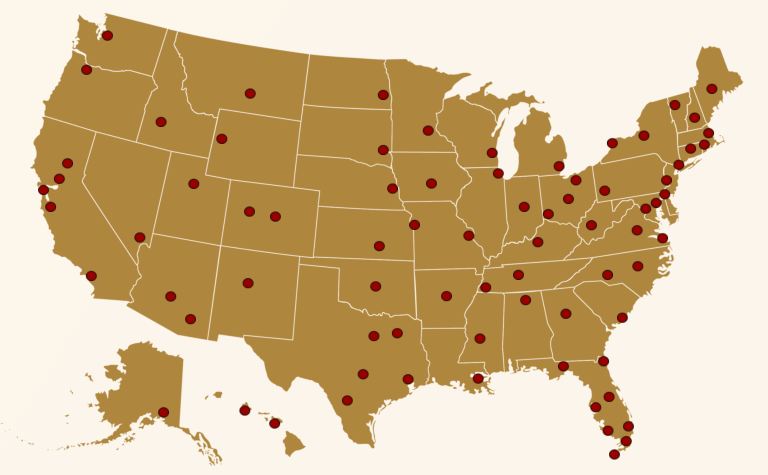
Nationwide Personal Property Appraisal Support
Prestige Estate Services coordinates estate-related personal property appraisal assignments across the United States, including estates with property in multiple residences, cities, or states. The coverage map is a service preview, not a representation of immediate availability or a staffed office at every point.
When Does Personal Property Documentation Matter for Form 706?
When Form 706 applies, a professional appraisal can help document the relevant property, effective date, market evidence, research, assumptions, and reasoning supporting the value conclusions. The executor and tax advisors determine what must be filed and which supporting material is required.

Schedule F Property
Current Form 706 instructions state that Schedule F reports property included in the gross estate that is not reported on another schedule, including household goods and personal effects.
Art and Collectibles
Current instructions state that an item or collection of similar items valued at more than $3,000 requires an expert appraisal under oath and information about the appraiser's qualifications.
Confirmed Effective Date
Date of death is the usual effective date. When another date properly applies, the appraiser follows the assignment instructions confirmed by the executor and the estate's advisors.
Current-source safeguard: Confirm the applicable Form 706 revision and filing requirements for the decedent's date of death. Prestige Estate Services does not decide whether a return, election, or attachment is legally required.
When May an Estate Personal Property Appraisal Be Needed?
An appraisal may be appropriate when an executor, trustee, attorney, CPA, fiduciary, or family needs a supported personal property value for estate tax reporting, probate, trust administration, basis documentation, equitable distribution, or another clearly defined estate-related purpose.
Federal Estate Tax Reporting
The executor and tax professionals identify the filing requirement and the personal property information needed for the return.
Probate and Fiduciary Records
A supported appraisal may help document estate assets for administration, accounting, distribution, or court-related use.
Trust and Basis Documentation
Trustees and advisors may require a retrospective value opinion tied to the applicable effective date and intended use.
How Does the Estate Tax Appraisal Process Work?
The process begins by confirming the client, intended use, intended users, effective date, property locations, categories, available records, and deadline. The appraiser then determines the appropriate inspection, research, analysis, and reporting scope.
Scope Confirmation
We confirm the assignment purpose, users, property, locations, effective date, and reporting needs.
Documentation Review
Helpful records may include inventories, photographs, invoices, prior appraisals, provenance, and advisor instructions.
Inspection Planning
We determine whether on-site inspection, remote documentation, specialist support, or a combined approach is appropriate.
Market Research
Relevant market evidence, condition, quality, attribution, rarity, materials, and comparable information are analyzed.
Valuation and Reporting
The appraiser develops supported conclusions and prepares the report for the assignment's stated purpose and scope.
Delivery and Follow-Up
The report is delivered to the authorized client, with follow-up available for reasonable assignment-related questions.
Which Appraisal Path Fits the Estate?
On-site, remote, and hybrid appraisal pathways are selected only after the property, intended use, available documentation, locations, and reporting needs are reviewed. Not every property category or assignment is suitable for remote appraisal development.
| Assignment Path | May Be Appropriate When | Important Considerations |
|---|---|---|
| On-site inspection | The estate contains numerous, complex, high-value, condition-sensitive, or difficult-to-identify objects. | Allows direct inspection, measurements, markings, condition observations, and photography. |
| Remote appraisal support | Clear photographs, measurements, descriptions, provenance, and other records support credible development. | Suitability depends on the intended use, property category, and completeness of the documentation. |
| Hybrid or specialist-supported scope | The estate combines ordinary contents with specialty assets or property in multiple locations. | The scope may combine inspection, remote intake, grouped contents, and category-specific research. |
How Do State Estate and Inheritance Tax Rules Affect the Assignment?
State estate and inheritance tax requirements vary and may affect timing, reporting, or the intended use of a personal property appraisal. The estate's attorney or CPA should identify the applicable jurisdiction, filing requirements, valuation date, threshold, and instructions before the appraisal scope is finalized.
Confirm the Governing Requirements
A national service page cannot replace state-specific legal or tax advice. Current statutes, forms, thresholds, and procedures should be confirmed for the decedent's date of death and the estate's filing position.
Define the Appraiser's Assignment
Once the advisors identify the intended use and effective date, the appraiser can determine the property documentation, inspection, research, and report structure appropriate to that assignment.
Review date: August 2026. For current state-level resources, consult the estate's professional advisors and the American College of Trust and Estate Counsel state death-tax resource page.
What Makes an Estate Personal Property Appraisal Credible?
A credible appraisal identifies the property, intended use, intended users, effective date, relevant value definition, scope of work, research, assumptions, limiting conditions, and reasoning supporting the conclusions. It is more than an inventory or an informal resale estimate.
Assignment-Specific Development
Depending on the property, relevant evidence may include comparable sales, auction records, private-market indicators, provenance, maker or artist information, age, materials, condition, rarity, quality, and market timing.
Efficient Treatment of Mixed Contents
Significant or specialty assets may require item-level analysis, while appropriate lower-value contents may be organized into supported groupings. The treatment must remain credible for the stated intended use.
Official Estate Tax and Appraisal Resources
Current forms and instructions should be reviewed for the decedent's date of death and the estate's filing requirements. These resources provide general federal guidance; the estate's attorney or tax professional should interpret how the requirements apply.
Estate Tax Appraisal Questions
These answers address assignment issues that commonly arise after the intended use, effective date, and general property scope have been identified.
Can one report cover ordinary household contents and specialty assets?
Often, yes. The scope may combine supported groupings for appropriate lower-value contents with item-level research for significant art, antiques, jewelry, vehicles, or collections.
What if the decedent's records are incomplete?
The appraiser reviews the available photographs, inventories, receipts, prior appraisals, provenance, measurements, and other evidence and identifies any assignment limitations created by missing information.
Can property in multiple states be included?
Yes, when the assignment can be credibly coordinated. The scope may combine on-site inspection, remote documentation, local support, and category-specific research for property in multiple locations.
Does IRS-qualified mean the IRS approves the appraiser?
No. The IRS does not endorse Prestige Estate Services or approve an appraiser in advance. Appraiser qualifications must be evaluated against the applicable assignment and reporting requirements.
Start With a Clearly Defined Personal Property Scope
Tell us about the property categories, locations, effective date, timing, intended use, available records, and any instructions supplied by the estate's attorney or CPA. We will help identify the appropriate next step for the personal property appraisal assignment.