Our Appraisers
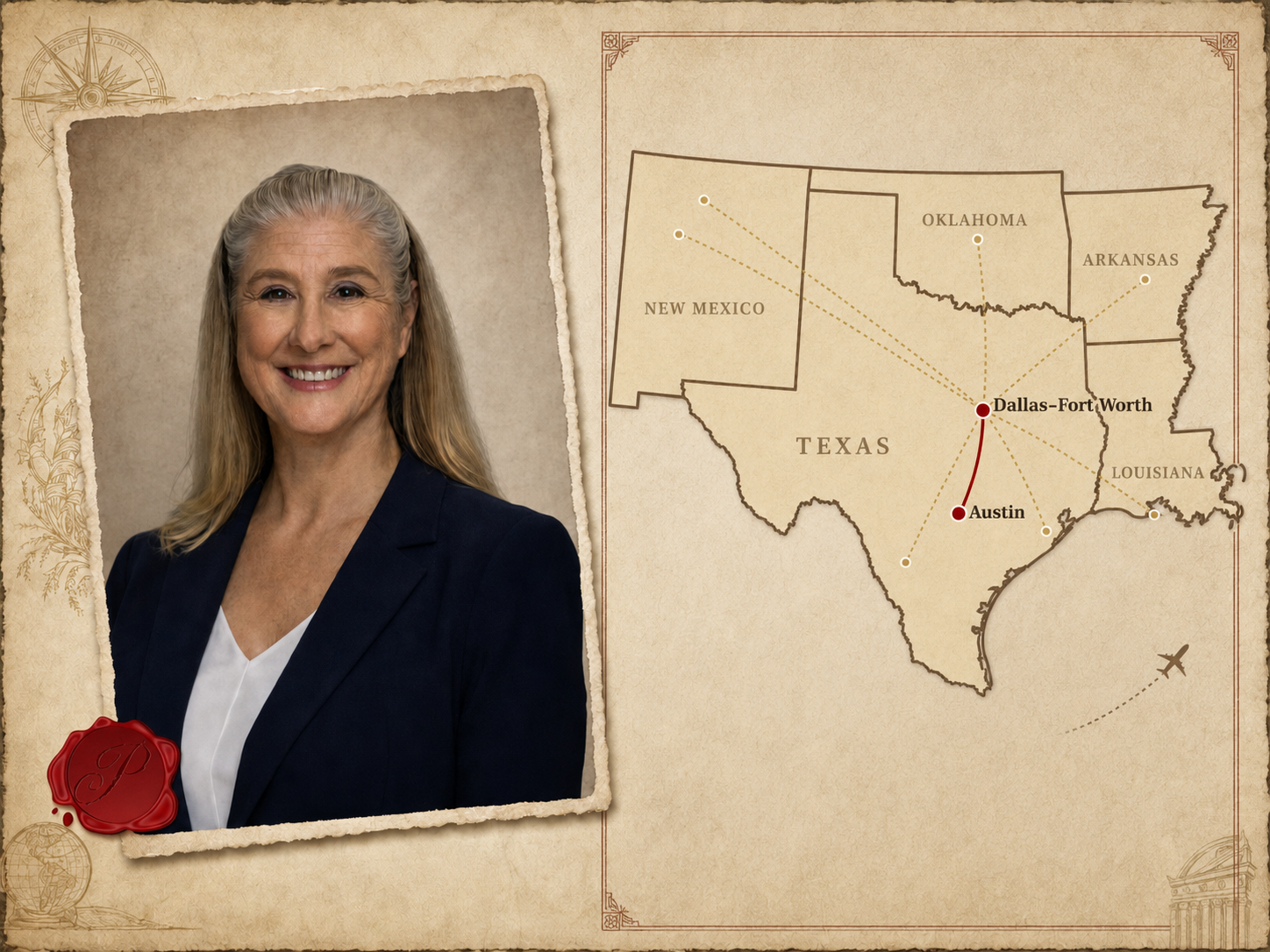
Becky Hogge
1-844-ITEM-VAL (1-844-483-6825) Main Office Extension 1
Personal Property Appraiser
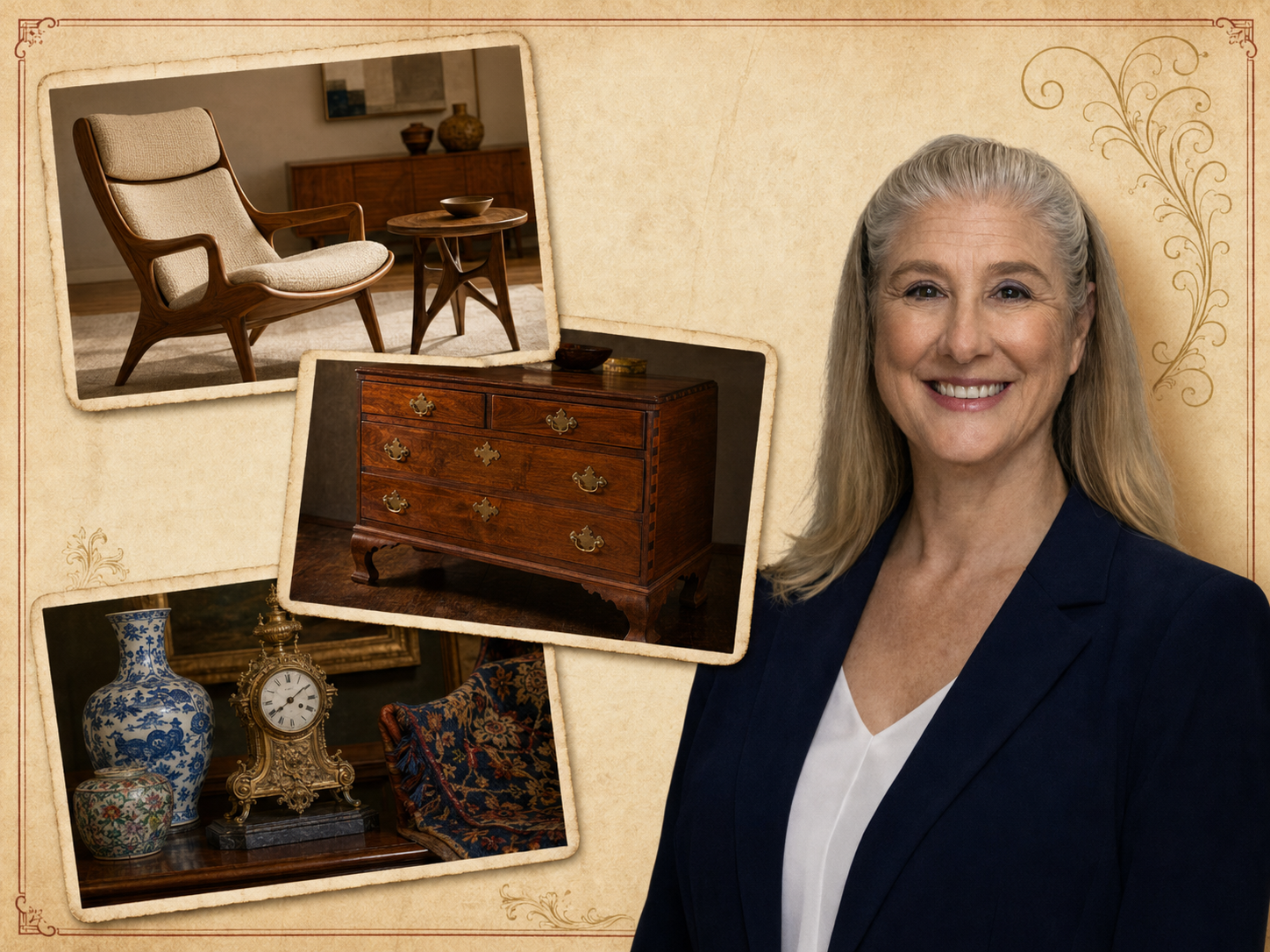
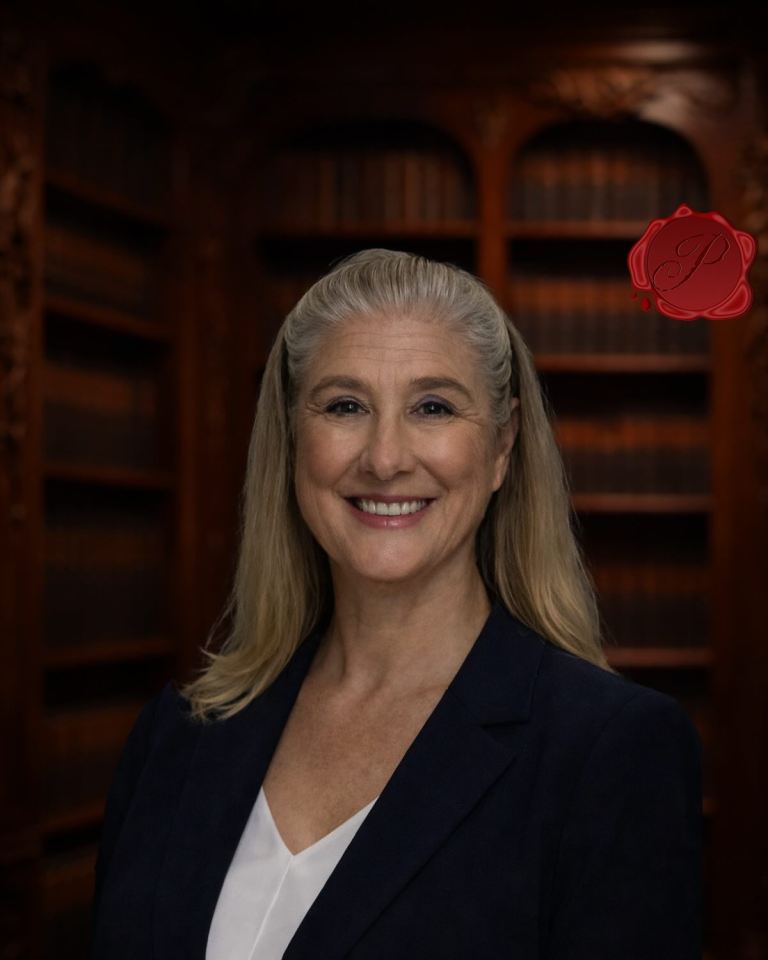
Rebecca “Becky” Hogge, ISA CAPP | Personal Property Appraiser Austin TX
Becky Hogge is a personal property appraiser based in Austin, Texas, providing structured, USPAP-compliant valuation services throughout Central Texas, the South, and the broader Southwest. Her work focuses on developing clearly documented, defensible appraisal reports for estates, tax reporting, insurance coverage, and complex personal property collections.
With an academic background in interior design from The University of Texas at Austin, Becky brings a strong understanding of furniture history, decorative arts, and material composition to her assignments. This foundation supports accurate identification and classification across a wide range of personal property, from fine art and antiques to complete household inventories.
Becky works with attorneys, fiduciaries, collectors, and private clients who require reliable valuation services that can withstand scrutiny. Each assignment is developed with a defined intended use, valuation date, and scope of work, ensuring the final report is appropriate, defensible, and professionally structured.
Trusted Referrals
Rebecca is a preferred appraiser for:
- The University of Texas & The Blanton Museum
- The Bob Bullock Museum & Huntington Gallery
- Heritage Auctions, David Dikes Auctions, Vogt Auctions
- Bank of America
- Austin Trust
Core Methodology & Professional Standards
- 2023: Obtained ISA Certified Appraiser Designation (CAPP)
- 2021: Art Forecaster Market Trends
- 2018: ISA Advanced Appraisal Methodology & Report Writing
- 2018: ISA 5-Year Requalification Course
- 2018: Appraising in the World of High-Net Worth Individuals
- 2018: Finding Comparables in the Middle Market
- 2017: Valuation Principles & Procedures in Appraising
- 2017: Market Research: From Authentication to Valuation
- 2015: ISA Broad Evidence Rule
USPAP & Ethics Compliance
- 2025: USPAP 15-hour Course (2025-2026)
- 2023: USPAP Review Course (2023–2024)
- 2020: USPAP 7-Hour Update Course (2020–2021)
- 2020: Restitution of Nazi-Looted Art: Ethics and Methods
- 2018: USPAP 7-Hour Course
- 2017: Performing Evaluations in Compliance with USPAP
Fine Art Specialties
- 2020: Appraising Pablo Picasso (Part 1)
- 2020: Appraising Outliers: Rare Portraits by Gilbert Stuart
- 2020: Understanding Historic Frames
- 2020: Chinese Porcelain Mania (Parts I & II)
- 2020: Buddhism and its Symbolism in Asian Art
- 2017: Prints and Multiples – Heritage Auctions
- 2015: ISA Fine Arts Specialty Classes (Chicago)
Specialized Personal Property & Antiques
- 2020: Petroliana & Automobilia
- 2020: Mid-Mod in the Middle (Mid-Century Modern)
- 2020: American Furniture 101
- 2020: Introduction to Appraising Rugs
- 2020: Book Appraisal Methodology & Basics
- 2020: Fundamentals of Clocks for Appraisers
- 2020: How to Appraise Pianos
- 2020: Introduction to Appraising Wine
- 2017: AI Jadeite Seminar (Expert Jeff Mason)
Legal & Expert Witness Training
- 2026: Appraisal Review / Expert Witness (Leon Castner)
- 2021: The Expert Witness Appraiser
Conferences & Professional Leadership
- 2016–2024: ISA Assets Educational Conferences (Multiple years: Ft. Worth, Canada, Online)
- 2016 – 2026: Ambassador/Mentor to new appraisers
- 2017–2026:ISA Director of Education Office Hours (Ongoing professional consultation with Meredith Meuwly & Michael Logan)
- 2020:Working with Regional Auction Houses
Estate Tax Appraisals
Estate tax appraisals require a comprehensive valuation of personal property to support federal reporting requirements. In Austin and throughout Texas, estates often include a diverse range of assets such as fine art, antiques, furnishings, and specialized collections that must be properly identified and valued as of the date of death. These projects benefit from a disciplined methodology because estate tax reporting is not simply about assigning numbers to objects; it is about documenting the right property, in the right market, for the right tax purpose.
Becky approaches these assignments by building structured inventories that organize personal property into clearly defined categories and distinguish standard household contents from assets requiring deeper research. This is especially important in larger Texas estates and in South or Southwest regional assignments where collections may reflect long-term accumulation, family inheritance, or category-specific collecting. Her process is designed to reduce confusion for fiduciaries and advisors while preserving the level of detail needed for supportable conclusions.
For clients who need IRS qualified estate tax appraisals, Becky helps translate complex personal property into a report that is practical, organized, and aligned with the needs of attorneys, accountants, and estate representatives. The goal is to provide a clear path from inventory to reporting so estate administration moves forward with credible valuation support.
IRS-Qualified Appraisals
IRS-qualified appraisals are required when personal property is reported for certain federal tax purposes, including estate filings and non-cash charitable contributions. These assignments must satisfy specific documentation and reporting expectations, which means the work must be developed with attention to identification, valuation date, intended use, and applicable market evidence. In Austin, Texas, and surrounding regions, clients often need this work for estates containing art, antiques, collections, and household contents that cannot be addressed with generic pricing.
Becky prepares IRS-qualified appraisal reports by defining the assignment clearly at intake and then matching the level of research to the nature of the property involved. That process may include category-specific market analysis, condition review, and the development of structured item descriptions that support later review by fiduciaries or tax professionals. Her approach helps ensure the final report is not only compliant in form, but also persuasive in substance because it is built on documented evidence rather than assumption.
Clients who require tax-related valuation support often also need clarity on next steps, timing, and scope. Becky helps with those project questions while maintaining a professional reporting framework that is suitable for federal use. For related service detail, see IRS qualified estate tax appraisals, which connects directly to the kind of structured tax-reporting work this page describes.
Personal Property Appraisals
Personal property appraisals involve the valuation of tangible assets such as fine art, antiques, furnishings, decorative objects, and collections. In Austin and across Texas, these assignments often involve a blend of inherited property, acquired collections, and everyday household contents, all of which need to be categorized and analyzed within the correct market context. A well-developed appraisal explains not just what the property is worth, but why the conclusion is appropriate for the intended use.
Becky works with clients throughout Central Texas, the South, and the Southwest to develop personal property appraisal reports that are clear, organized, and fit for purpose. Some projects involve full residential inventories, while others focus on selected categories such as art, antiques, or collection segments requiring deeper market research. Her process is built to scale to the project, whether the need is a focused appraisal of important assets or a broader review of household contents within an estate or planning context.
For clients beginning the process, one of the most important steps is understanding what kind of assignment is needed and whether on-site inspection is required. Becky helps guide that process so the scope matches the project instead of becoming too narrow or unnecessarily broad. For a broader overview of how these projects are structured, see in-person personal property appraisals.
USPAP-Compliant Appraisals
USPAP compliance establishes the framework for developing credible appraisal reports. It requires the appraiser to define the intended use, scope of work, valuation date, and assignment conditions, then apply appropriate methodology to reach supported conclusions. That structure matters because a report may be read by attorneys, fiduciaries, accountants, insurers, or tax professionals, all of whom need to understand how the valuation was developed.
Becky follows USPAP standards in every assignment, whether the project involves an estate inventory in Austin, a charitable donation appraisal in Texas, or a multi-category insurance schedule in the Southwest. This consistency helps protect the quality of the work because it keeps reporting grounded in clearly stated facts, market evidence, and assignment-specific reasoning. It also helps clients avoid the kinds of vague or overly generalized reports that create more questions than answers.
For clients, the practical benefit of USPAP-compliant work is that the report is structured to be understandable, transparent, and professionally supportable. That is especially important when the appraisal may later be relied upon in tax, legal, or financial settings. This methodology-first approach also complements related services such as litigation appraisal review, where prior reports may be evaluated for clarity, support, and methodological soundness.
Probate Appraisals
Probate appraisals are used to establish the value of personal property within an estate as it moves through administration. These assignments often involve inventories of household contents, fine art, antiques, and family collections that need to be documented in a clear and organized way. In Texas probate matters, the quality of the report can materially affect how efficiently attorneys, fiduciaries, and families move through the process.
Becky structures probate assignments so that the property is categorized logically and the valuation conclusions are tied clearly to the applicable assignment conditions. This is especially useful in Austin and other Texas markets where estates may include both general residential contents and stronger, more specialized assets requiring market-specific analysis. Rather than treating the estate as a single undifferentiated group of items, she develops a framework that lets the report remain readable while still addressing complexity.
The practical goal is to provide a report that supports orderly probate administration and reduces uncertainty about what is being valued and why. Clients who need overlapping estate-related support may also benefit from related estate tax appraisal services, particularly when probate and tax considerations intersect within the same project.
Divorce Appraisals
Divorce appraisals focus on the valuation of personal property for equitable distribution. These assignments require neutrality, consistency, and a reporting style that can be understood clearly by counsel, clients, and other stakeholders. In Austin, Texas, and across the Southwest, personal property division often includes a mix of furnishings, artwork, antiques, and collections, making organized valuation especially important.
Becky approaches these assignments by identifying the property carefully, categorizing it logically, and applying market support in a way that remains objective from beginning to end. This is particularly useful when the marital estate includes both standard household contents and stronger assets that require deeper research. Her reports are designed to clarify the personal property component of the matter without inflaming it through vague language or unsupported assumptions.
For attorneys and clients, the value of this work is that it creates a stable, defensible framework for discussing division of assets. It is not advocacy; it is organized valuation support designed to help the process move toward informed decisions. For more on this service area, see divorce appraisals for equitable distribution.
Insurance Appraisals
Insurance appraisals are prepared to document personal property for coverage, scheduling, and risk management purposes. These projects require clear item identification and valuation conclusions that match the insurance context of the assignment. In Austin and throughout Texas, insurance-related appraisal work often centers on fine art, antiques, collections, and higher-value personal property that should not be grouped into vague household descriptions.
Becky develops insurance appraisal reports that help clients understand what they own, how it should be documented, and how those assets should be presented for insurance decision-making. This may include category-specific descriptions, grouping logic, and reporting that is more precise than a general inventory. That level of structure is especially useful when the property includes multiple stronger assets within the same residence.
The outcome is a report that supports better documentation and better planning, whether the client is reviewing current coverage or preparing records for future use. For clients who want to understand how this work fits into broader insurance-related planning, see insurance appraisals.
Charitable Donation Appraisals
Charitable donation appraisals are required when non-cash personal property is donated and reported for tax purposes. These assignments must satisfy IRS documentation standards and require a careful description of the donated items, along with a supportable valuation conclusion based on relevant market evidence. In Texas and the broader South, these projects often involve artwork, collections, antiques, and other higher-value personal property.
Becky prepares charitable donation appraisal reports by identifying the property clearly, developing appropriate market support, and structuring the final document so it can be used confidently in the donation process. Some assignments involve a single asset, while others require valuation of multiple items or collection segments. In either case, the work must remain focused on valuation rather than donor intent or institutional outcome.
For clients, the key benefit is a report that supports the donation process while maintaining professional valuation discipline. That helps reduce uncertainty and improves the quality of the documentation being filed. For related service information, see charitable donation appraisals.
Appraisal Review Services
Appraisal review services involve the analysis of an existing valuation report to assess methodology, support, clarity, and consistency. These assignments are often needed when a second opinion is appropriate, when a report may influence a legal or financial outcome, or when a client wants independent evaluation of prior appraisal work. In that context, review is less about revaluing the property immediately and more about determining whether the original report stands on solid professional ground.
Becky conducts structured appraisal reviews that examine how conclusions were reached, whether the scope and market support are adequate, and whether the reporting is internally consistent. This is especially relevant in assignments involving fine art, antiques, or specialized collections, where category definition and comparable selection can materially affect value outcomes. Her methodology-focused approach helps identify whether the report under review actually supports what it claims.
Clients who need this service are often trying to resolve uncertainty before it becomes a larger issue. A well-executed review can clarify strengths, reveal weaknesses, and help counsel or fiduciaries decide what steps should come next. For more detail on this type of work, see litigation appraisal review.
Fair Market Value Appraisals
Fair market value represents the price at which property would change hands between a willing buyer and seller, neither being under compulsion and both having reasonable knowledge of relevant facts. This standard applies to many appraisal assignments, including estate and tax reporting, and it requires more than a general estimate. It requires analysis grounded in real market behavior and the characteristics of the property being valued.
Becky develops fair market value conclusions using relevant sales data, category-specific research, and the documented attributes of the items involved. In Austin, Texas, and surrounding markets, this may include regional collecting influences, broader national markets, or niche buyer pools depending on the nature of the property. The process is designed to identify the right market before reaching a value conclusion, which is a critical distinction in stronger or more unusual categories.
For clients, the benefit of a properly developed fair market value appraisal is that the report explains not only the value conclusion, but also the reasoning behind it. That creates a more useful and defensible final product for estate, tax, and planning purposes. This logic also supports related IRS qualified estate tax appraisals where fair market value is central to the assignment.
Antique & Fine Art Appraisals
Antique and fine art appraisals require an understanding of historical context, market behavior, condition, attribution, and category-specific support. These assets frequently represent a substantial portion of value within estates and collections, especially in households with long-held furnishings, decorative arts, and curated acquisitions. In Austin and across Texas, such assignments often involve both regional and broader-market objects that must be evaluated carefully.
Becky applies her background in interior design, decorative arts, and continued professional study to evaluate these categories with a structured and informed approach. That includes distinguishing between decorative household objects and stronger market-facing assets, as well as identifying when deeper research is necessary. For many clients, the challenge is not simply whether an item has value, but how it fits into the correct market and assignment context.
The result is a report that helps clients, fiduciaries, and advisors understand where stronger assets sit within the overall project and how their value was developed. This is particularly useful in estate, insurance, and collection-planning assignments where fine art and antiques require more refined treatment than general residential contents alone.
Collection Appraisals
Collection appraisals involve groups of related items that must be evaluated both individually and as part of a broader collecting context. These assignments can range from decorative art groupings to highly specialized collector segments, and they often require research within narrower markets than standard household property. In the South and Southwest, collections may reflect regional taste, long-term hobby activity, or category-specific enthusiasm built over decades.
Becky works with collection assignments by organizing the property into meaningful subgroups, identifying where value is concentrated, and applying targeted research where necessary. Some collections require broad management with selective deeper analysis, while others require item-by-item attention because small distinctions can affect market results materially. Her approach is built to support both clarity and depth rather than forcing every collection into the same reporting pattern.
Clients benefit from a report that explains how the collection was understood, how it was grouped, and how valuation conclusions were developed. This is especially important when collections are being transferred, divided, donated, or included in estate planning. Where category-specific work overlaps with broader inventory needs, Becky helps keep the project coherent from start to finish.
High-Value Estate Appraisals
High-value estate appraisals require a more detailed and methodical approach because the personal property involved often spans multiple categories, value levels, and reporting considerations. These estates may include fine art, antiques, collections, decorative objects, and broad residential contents, all of which must be handled within a single coherent framework. In Austin and throughout Texas, larger estates also often present organizational challenges that make structured reporting essential.
Becky develops high-value estate appraisals by building a clear inventory system, identifying stronger assets early, and matching research depth to the complexity of the estate. This keeps the report readable while ensuring that major value-driving categories receive the analysis they require. It also helps attorneys, fiduciaries, and family representatives understand where value is concentrated within the estate.
The practical benefit is a report that supports better decision-making in complex estate situations. Rather than overwhelming the client with fragmented analysis, Becky provides a unified valuation framework that can be used for tax, probate, planning, or administration purposes. That combination of structure and detail is especially important in larger South and Southwest estate assignments.
Household Inventory Appraisals
Household inventory appraisals document personal property within a residence for estate, insurance, or planning purposes. These projects often involve a wide range of assets, from furnishings and decorative objects to books, art, and collections, all of which need to be identified and described in a coherent way. In many Texas residences, what appears to be an ordinary household may actually include stronger assets that require more careful treatment.
Becky prepares household inventory appraisals by organizing the property room by room, category by category, and determining where additional research is warranted. This creates a more accurate and useful record of the contents while also helping clients understand how the broader inventory is structured. For estates and planning assignments, this level of organization can save significant time later in the process.
The final report provides more than a list of items; it provides a usable valuation framework for the residence and its contents. That helps clients move forward with clearer documentation, whether the purpose is tax reporting, probate administration, insurance planning, or general asset understanding.
IRS Appraiser Austin TX
As an IRS-qualified personal property appraiser in Austin, Becky provides valuation services throughout Texas and the broader Southwest for clients who need reporting that is professionally structured and tax-aware. These assignments often involve estates, charitable contributions, or other projects where the appraisal must do more than estimate value. It must show how the conclusions were reached and why the market evidence supports them.
Becky’s work is developed with assignment conditions in mind from the outset, including intended use, valuation date, and the specific character of the property involved. That helps ensure the final report is not only suitable for the immediate project, but also understandable to attorneys, accountants, fiduciaries, and other intended users. In practice, that means less ambiguity, better documentation, and a clearer reporting path from start to finish.
For clients looking specifically for an Austin or Texas appraiser who can handle IRS-related personal property work, the benefit is a process that is both structured and responsive to the real demands of the assignment. That combination of local grounding and broader regional capability makes Becky well suited for projects across Central Texas, the South, and the Southwest.
Work with Becky
Most projects begin with an intake conversation to confirm intended use, valuation date, property categories, and whether on-site inspection is required. From there, the assignment is structured with a defined scope of work, research plan, and timeline appropriate to the property and reporting purpose. This ensures the project begins with clarity rather than guesswork.

Clients often come to Becky when they need more than a quick opinion of value. They need organized reporting, market-based analysis, and a process that fits legal, tax, insurance, or estate-related requirements. That is why the intake stage matters: it helps match the appraisal to the real needs of the project before work begins.
Experience Matters
Contact Us
Ready to explore the Prestige Estate Services difference? Contact us.
Get in Touch
We’d love to discuss your specific estate sale and appraisal needs.